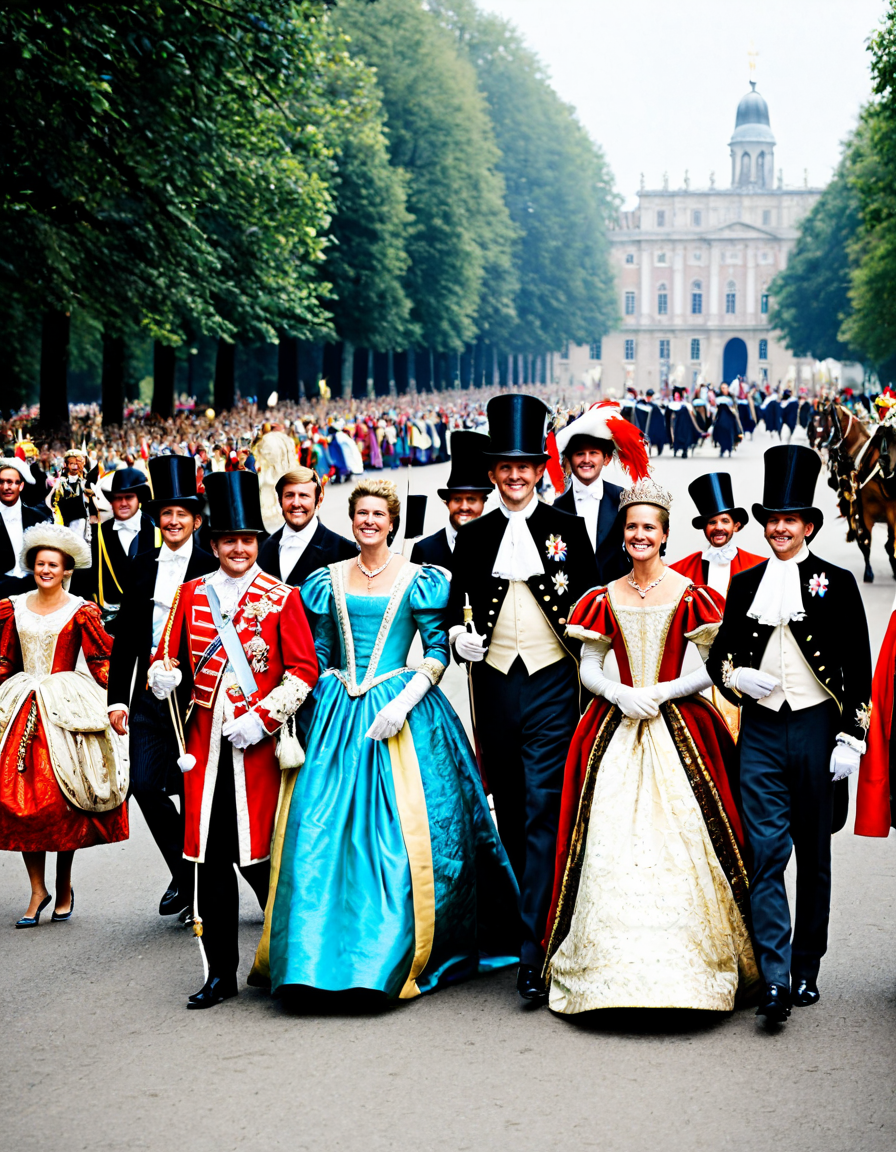
When we think about the term “aristocracy,” we might picture royal figures, grand castles, and a class that sits above the rest. This concept, while tied to history, holds significant relevance in our current world. The question of what is aristocracy dives deep into the structures of power, wealth, and influence that shape our society today. Let’s break down the key characteristics of aristocracy and explore how this concept continues to impact our lives, from politics to popular culture. Ready? Let’s jump in!
5 Key Characteristics of Aristocracy: Unraveling What is Aristocracy
1. Wealth Concentration
One of the core aspects of aristocracy is the concentration of wealth among a small elite. This economic power allows these individuals or families to have a substantial say in political and social matters. A prime example is the Koch brothers, whose financial strength has played a significant role in various political movements in the United States. Their influence has swayed legislation, shining a light on how wealth translates into power.
2. Control Over Cultural Norms
Check out brands like Chanel and Gucci. They don’t just sell clothes; they play a role in creating cultural norms. This cultural aristocracy shows how a handful of elites can shape societal values and influence consumer behavior. Fashion dictates trends that reflect what is considered “in,” and often those in the upper echelons determine what is hip and what is not.
3. Educational Gatekeeping
Access to prestigious educational institutions like Harvard and Oxford perpetuates a cycle of aristocracy. These schools are breeding grounds for future leaders, providing them with connections that keep elite circles spinning. However, this creates barriers for individuals from varying socioeconomic backgrounds, making it tough for everyone to climb that ladder of success.
4. Political Influence
Take Bill Gates, for instance. Through the Bill and Melinda Gates Foundation, he wields significant influence over public health and education policies globally. This illustrates how aristocracy can reach into the political sphere, allowing wealthy individuals to shape decisions that affect millions. The impact of such influence raises questions about representation and equality in governance.
5. Social Networks and Exclusivity
Aristocracy often involves the creation of exclusive social networks, such as the Trilateral Commission or Bilderberg Group, where powerful elites meet to discuss global affairs. These gatherings highlight how aristocrats can collaborate to protect their interests and maintain their positions of power. It’s like a secret club where only the elite are welcome.
Exploring the Modern Implications: What is Aristocracy in Today’s World?
In today’s digital landscape, we see modern forms of aristocracy emerging, especially in the entertainment industry. Platforms like Patreon and Twitch allow content creators to build “guilds,” connecting with loyal fans willing to financially support their work. What is guild if not a new twist on an age-old concept? The ties of influence often hinge on income and audience engagement.
Moreover, streaming platforms control access to content, shaping what becomes popular. Consider the question, “where is Twilight streaming?” that many fans have asked. Platforms like Netflix or Hulu decide which shows thrive and which ones disappear, echoing the traditional control of aristocracy over societal trends and tastes.
Beyond Art: The Influence of Aristocracy in Anime and Literature
Let’s talk about how aristocracy shows up in anime, manhwa, and yuri genres.
What’s Next? The Future of Aristocracy and Power Dynamics
As we look toward 2026, keeping an eye on modern governance forms is crucial. Platforms like Nextdoor can foster local aristocracies where people’s status often comes down to their proximity and connections within communities. Understanding how these social networks can create hierarchies will further clarify the modern implications of aristocracy.
In pop culture, figures like “who is Satan?” provoke us to question the values we hold and how institutions of authority can reflect and push against traditional norms. The evolution of power dynamics continues to challenge our perceptions and shapes society.
The exploration of what is aristocracy allows us to dissect the barriers that persist in today’s world. By acknowledging these hidden powers, we create opportunities for dialogue about equity and access. In an increasingly stratified landscape, understanding these dynamics can empower us to imagine a world where these old ways of rule are replaced with new, more inclusive approaches.
The journey toward a just society doesn’t have to be arduous. By engaging in these discussions, we contribute to the reevaluation of traditional power structures and embrace possibilities for a more equitable future.
Aristocracy continues to weave its influence through our lives, but by questioning its impact, we take steps toward transformative change. So let’s keep asking—what is aristocracy, and how does it shape our realities? Now that’s a conversation worth having!
What Is Aristocracy: Fun Trivia and Interesting Facts
The Basics of Aristocracy
So, what is aristocracy? At its core, aristocracy refers to a form of government where power lies in the hands of a privileged elite. Traditionally, this elite was often composed of nobility or those with noble titles, typically passed down through generations. Imagine living in a society where one’s lineage could dictate their place in life—much like how we often see in popular culture. Fun trivia: the concept can sometimes feel as dramatic as the stories in Debbie Reynolds Movies, where characters frequently maneuver through societal layers fueled by family status and ambition.
But did you know that the term “aristocracy” itself comes from the Greek “aristokratia,” meaning “rule of the best”? Though the definition seems rather noble, the reality can be quite different. Often, it’s less about merit and more about privilege. In fact, aristocracy has shaped numerous political climates throughout history, from ancient Athens to modern monarchies. Just like the intrigue behind Tom Cruise’s athletic pursuits in the Olympics, there’s a complexity in understanding how these power structures really function today.
From Nobles to Modern-Day Influence
Moving from the past to today, the ideas and ideals surrounding what is aristocracy have evolved. Elite rule often remains invisible, like the dynamics between Dom or sub relationships that challenge our views on power structures and dominance in society. Many critics point out that while we may not hear the word “aristocracy” thrown around much anymore, its descendants—like oligarchies—still make waves. You can see this in various arenas, from politics to entertainment, where influence can feel like an inherited trait.
Interestingly, modern narratives—such as the anime Remake Our Life—explore themes of societal hierarchy and self-reinvention. This shows how the ongoing struggle with class systems remains timely, with individuals often trying to break free from a predetermined destiny. Even in tech, like the work surrounding Norton, the blend of old power structures with new innovations creates intriguing conversations about fairness and opportunity. It’s a fascinating dance of power and aspiration that echoes the age-old question: who really rules, and how did they get there?
Final Thoughts
In wrapping up this exploration, let’s consider how these historical ideas influence our beliefs today. For instance, concepts around wealth and ancestry even appear in lighter contexts, like the recent buzz around the Jerry Springer death and the societal responses that followed. It’s essential to reflect on what this tells us about our value systems. And as we dig deeper, it becomes clear that understanding what is aristocracy is about more than just political definitions—it’s a pivotal part of our ongoing dialogue about equity, access, and societal dynamics. Curious minds might also ponder topics like What Is soma as they relate to how society manages the balance of authority and personal agency. After all, navigating these questions could lead to a clearer view of the structures we operate within, maybe even affecting your next home appraisal chase!