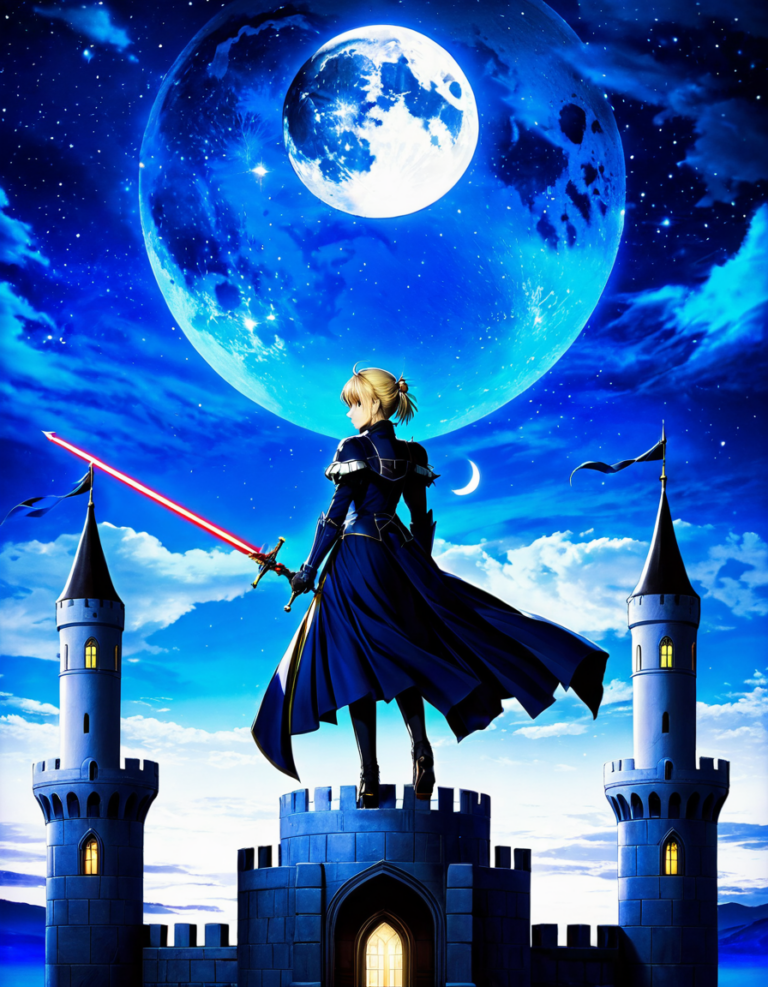
When it comes to visual novels, few titles hold as much reverence in the gaming community as Tsukihime. This iconic creation from Type-Moon offers a mesmerizing blend of storytelling, psychological tension, and character depths that many gamers can only dream about. Released back in 2000, Tsukihime quickly turned into a cornerstone for visual novels, spawning numerous adaptations across anime, manga, and even a highly anticipated remake. Its gripping narrative centers on Shiki Tohno, a young man cursed with the ability to see “death lines”—the paths of life and death for all living creatures. As Shiki dives into the cryptic world of vampires, encounters, and choices, players are pulled into a web of emotions, relationships, and moral dilemmas that keep them guessing until the end.
The journey of Tsukihime extends well beyond its initial success, evolving into a cultural phenomenon that intrigues fans even decades later. Nowadays, thanks to the rise of digital platforms like Steam, the allure of Tsukihime has reached an even broader audience, making it a must-play for newcomers and veterans alike. Importantly, it stands as a striking example of how visual novels have transformed within the gaming landscape, influencing a myriad of future titles and narrative designs.
In the vibrant fabric of visual novel culture, Tsukihime shines brightly because it not only tells a story but demonstrates the profound potential of interactive storytelling. It highlights how choices can lead to different emotional pathways, creating an experience as varied and intricate as life itself.
The Legacy of Tsukihime in Visual Novel Culture
Tsukihime marked a revolutionary moment in visual novel history, blending elements of horror and romance seamlessly. The narrative is crafted using tragic themes that echo through the corridors of morality and emotional scars, inviting players to connect profoundly with each character. Notably, the vampire Arcueid Brunestud contrasts sharply with Shiki’s tumultuous emotional landscape. Players cannot help but be drawn into her captivating world, grappling with questions about fate, nature, and the meaning of life and death.
One of the significant aspects of Tsukihime is its complex characters like Ciel, whose backstory enriches the narrative’s depth. Characters are not merely vessels for storytelling; they are integral emotional touchstones. For instance, Shiki’s encounters lead not only to battles against fate but also to relationships that challenge his very sense of self. It’s no wonder that discussions around these character dynamics spark passionate debates among Tsukihime fans.
As visual novels gained traction, Tsukihime became essential reading for anyone diving into the genre. The blockbusters it helped inspire, coupled with the online discourse surrounding its themes, confirm its status as a cultural landmark. Amidst the growing popularity of visual novels, Tsukihime remains a touchstone for understanding their evolution, highlighting innovations that have shaped modern interactive storytelling.
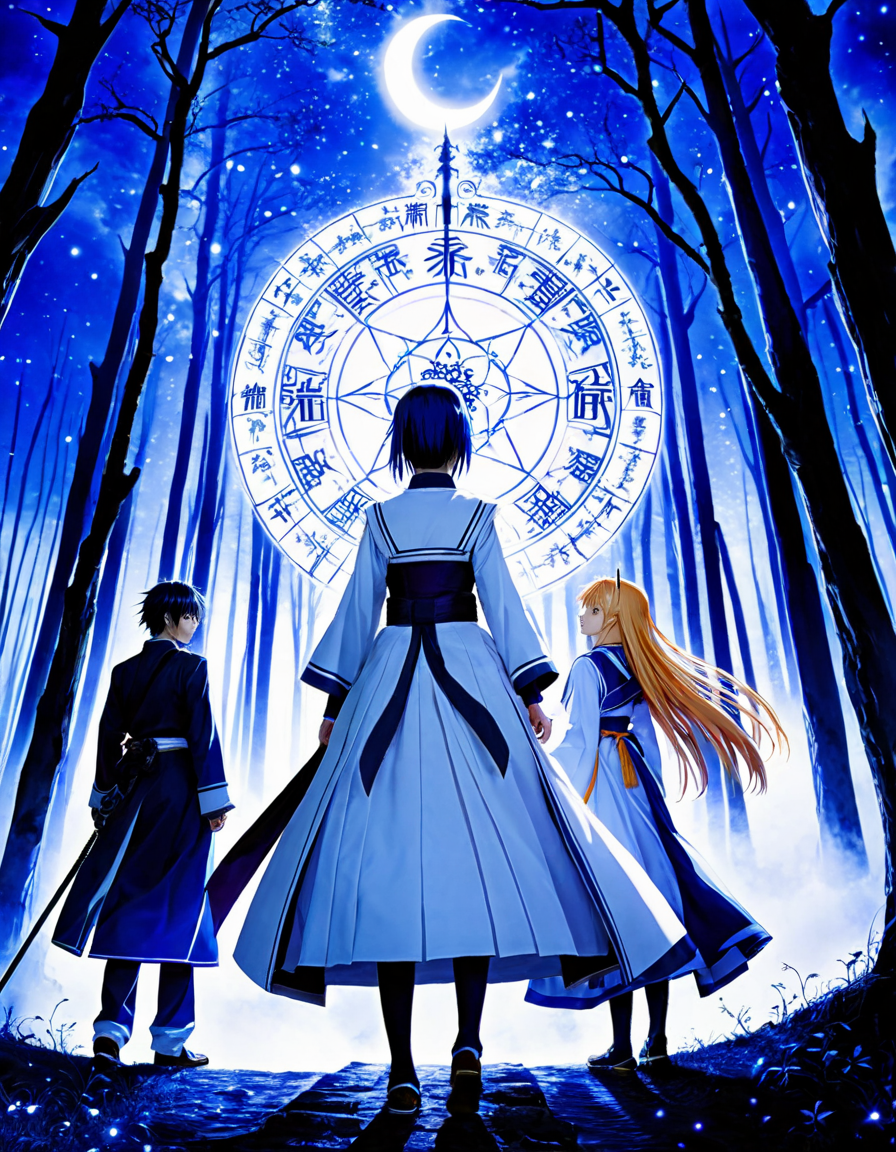
5 Reasons Tsukihime Redefined Visual Novels
Unlike earlier visual novels, Tsukihime broke free from linear storytelling by offering multiple endings shaped by player choices. Players aren’t just passive observers; they dive in, explore various scenarios, and sometimes face moral quandaries. This flexibility allows for numerous playthroughs, each revealing new dimensions of the story and its characters.
The game presents a rich tapestry of characters, from the stoic Arcueid to the morally ambiguous Ciel. What makes them stand out is their evolution based on player choices. Every decision unveils layers of their personalities, whether diving into themes of loss, redemption, or self-discovery. It makes exploring these characters feel less like a routine and more like uncovering hidden treasure.
The emotions woven throughout Tsukihime resonate deeply with players. The themes of love, sacrifice, and existential dread create a haunting atmosphere. As players navigate Shiki’s relationships, they can’t help but reflect on the complexities of their own lives. This emotional weight has inspired countless fan theories and discussions, showing that Tsukihime’s heart beats strongly in the community.
The art and sound design stand as testaments to Tsukihime’s identity. Each character design encapsulates their essence, enhanced by a hauntingly beautiful soundtrack. This approach not only immerses players in the game but sets a high bar for artistic quality in future visual novels. The visual aesthetics continue to inspire creators today, echoing through titles reminiscent of Tsukihime’s distinctive style.
What truly solidifies Tsukihime’s legacy is its passionate community. Fans continue to create art, music remixes, and discussions that spark intrigue long after gameplay. The ongoing excitement surrounding the recent remake, Tsukihime -A piece of blue glass moon-, is a testament to the lasting impressions left by the original. The undying interest showcases the game’s enduring relevance in the landscape of visual novels.
Kasugano Sora: A Comparative Analysis with Tsukihime
While Tsukihime sets the benchmark for emotional depth, the character Kasugano Sora from “Yosuga no Sora” offers an intriguing contrast. Sora often encapsulates the archetype of a sisterly figure caught in complex romantic dynamics, which offers a different perspective on relationships in gaming.

The Phenomenon of Tsukihime: Beyond Visual Novels
Tsukihime’s cultural impact swells beyond the confines of visual novels, reaching into various media forms and influencing the creative landscape of anime and manga. It is the seed from which sprawling narratives like “Fate/stay night” grow. This interconnected storytelling strengthens the larger tapestry known as the Nasuverse, where various stories, themes, and characters intertwine and expand.
Through this lens, Tsukihime calls to a new generation of storytellers who wish to explore intricate narratives filled with layers of meaning. It has inspired works that adopt similar storytelling techniques, enriching the global narrative experience while maintaining the effort to push artistic boundaries. The success of Tsukihime solidifies its position as a cornerstone in storytelling frameworks within interactive media.
The Future of Tsukihime and Visual Novels
In the face of an increasingly digital landscape, Tsukihime remains a vital figure in the ever-growing visual novel genre. The resurgence through the remake has captivated a new audience, driving discussions about its narrative impact and relevance. New adaptations are anticipated, paving the way for an exciting future filled with engaging storytelling and artful visuals.
The evolution of Tsukihime transcends mere entertainment; it symbolizes the richness of interactive media. This legacy not only nurtures a vibrant community of fans but also encourages ambitious creators to explore deeper emotional and philosophical dialogues. The journey through Tsukihime reveals just how profound and expansive the world of visual novels can be, leaving a mark that will continue to affect the genre for years to come.
In summary, Tsukihime is not just a visual novel but a definitive exploration of emotion, choice, and narrative design—making it an essential study for anyone passionate about the medium.
Tsukihime: Fun Trivia and Interesting Facts
An Intriguing Origin Story
Did you know that Tsukihime was developed by Type-Moon, a team led by the talented Kinoko Nasu? Initially released as a visual novel in 2000, it set the stage for an explosion of interest in the genre. An interesting fact is that Nasu’s storytelling is so layered that it can remind you of diverse narratives, similar to how a basketball cartoon combines humor with sports action to engage viewers. That’s part of what makes delving into the Tsukihime universe so captivating!
Moreover, if you thought about how the game influenced the visual novel landscape, just think of how things like Ushio To Tora became popular too. These stories stem from a creative drive to explore character relationships deeply. Ever noticed how teens in Bikinis pop up in various media? Well, Tsukihime takes the opposite approach by featuring serious themes and character struggles, adding depth to the experience.
Characters that Stand Out
Character development is a huge draw in Tsukihime, where protagonists like Shiki Tohno grapple with their identities and pasts. This backstory element might remind you of a well-chosen black labrador puppy name, as every name tells a story, much like the intricate tales each character conveys. Fun fact: the game features multiple story routes, leading you on a journey that offers an experience tailored to gamer choices—kind of like how Santtu Seppälä captivates audiences with his storytelling finesse in films.
Let’s not forget how this visual novel turned into a broader franchise! Fans even created various adaptations, expanding its appeal. Just like how food anime makes mouth-watering dishes leap off the screen, Tsukihime pulls readers into a world where vivid imagery blurs the lines between reality and fantasy.
An Unforgettable Experience
The visual novel experience doesn’t just delight with engaging narratives; it also comes packed with stunning artworks and soundtracks. The ambiance seamlessly ties everything together, similar to how Samsonite luggage can make traveling feel a bit more luxurious. Plus, alongside its engaging storytelling, Tsukihime dives into themes like fate and morality, echoing thoughts as deep as the Colorado River carving through landscapes.
What truly sets this visual novel apart is its impact on future titles. Like a hidden gem, understanding the foundations laid by Tsukihime can enhance one’s appreciation for new narratives in gaming today. So next time you enjoy a twisty plot, whether it’s in an anime or game, remember how Tsukihime helped pave the way for such storytelling!