Reincarnation definition, when boiled down, conveys a fascinating journey of the soul, suggesting that after death, it embodies a new form of life. This concept isn’t merely a theme plucked from the annals of ancient texts or spiritual philosophies; instead, it’s a rich tapestry woven into the diverse cultures and beliefs around the globe. Understanding this reincarnation definition can illuminate our thoughts on existence, responsibility, and the choices we make.
From the depths of Hindu scripture to the meditative practices of Buddhism, each faith offers intriguing interpretations. In Hinduism, the reincarnation journey is intricately linked to karma—essentially, the idea that good and bad deeds dictate one’s future lives. Meanwhile, Buddhism presents a slightly different picture: the cycle of samsara, where life, death, and rebirth are continual experiences fostering spiritual evolution. Not limited to traditional beliefs, reincarnation has also made its way into contemporary spiritual discussions, bringing forth new ethical considerations for our actions.
In modern narratives, reincarnation often finds its way into popular culture, especially animation. Series like “Re:Zero – Starting Life in Another World” demonstrate how the reincarnation definition can spur captivating adventures while reflecting deeper philosophical questions. By exploring these stories, we uncover the historical significance and varied meanings behind the way ‘reincarnate’ is depicted.
The Transfiguration Process: From Life to Life
The transfiguration process, a fascinating label for the journey of the soul, reveals a multi-layered transformation. Understanding this evolution requires recognizing key stages across various belief systems.
Karma and Rebirth
In Hindu thought, karma plays a pivotal role in determining one’s reincarnation. The famous figure, Mahatma Gandhi, reinforced how actions—good or bad—shape future lives. So, essentially, if you lead a compassionate life, you might return in a favorable position, while harmful actions could lead you down a rougher path. This belief reinforces the idea that every choice matters and encourages ethical living.
Buddhist Perspectives
On the other hand, Buddhist philosophies regard tibetansamsara as an endless cycle of rebirth, pushing for enlightenment through awareness and meditation. To break free from this cycle, practitioners engage in various meditation techniques that foster insight into one’s existence. By cultivating mindfulness, individuals recognize their impulses and the potential for growth in each new life.
This concept of transfiguration seamlessly expresses how lives intertwine within the vast narrative of human experience, reminding us that every action sends ripples across our future selves.
Explaining the Subjugated Definition of Reincarnation in Modern Contexts
Delving into the subjugated definition of reincarnation, we discover a world distinct yet intertwined with our own. This perspective is especially prevalent in contemporary narratives, where reincarnation is frequently framed as a vessel for transformation and exploration.
In animated series like “That Time I Got Reincarnated as a Slime,” we see characters experience a rebirth that allows them to flourish in an alternate realm. These narratives delve into more than just whimsical adventures; they represent society’s desire for fresh starts and wish fulfillment. In today’s context, the reincarnated character often embodies aspirations and dreams that resonate deeply with the audience.
Additionally, the rise of Manhwa Comics has introduced diverse stories prominently featuring reincarnate elements. These narratives often emphasize personal growth and reflection, showcasing how characters evolve in their journeys. The incorporation of modern themes makes such storytelling coincidentally relatable, reinforcing the fact that the reincarnation definition captures an ever-growing aspect of life.
The Global Phenomenon of Reincarnate Stories
Throughout history, stories of past life memories have sparked curiosity and fascination. One such case is Shanti Devi from India, who claimed to have memories from a previous life, capturing the attention of researchers and spiritual seekers alike. Her life story not only supports the reincarnation definition but also challenges societal perceptions about life and death.
These narratives play a crucial role in shaping cultural practices. For instance, countries with strong beliefs in reincarnation often practice rituals that honor the deceased, linking them back to the cycle of life. Such traditions highlight the significance of the past and how it interacts with present existence—showing us how belief in reincarnation influences customs and moral values.
In this way, these stories contribute to a collective understanding, promoting awareness about our responsibilities and encouraging compassion in our interactions.
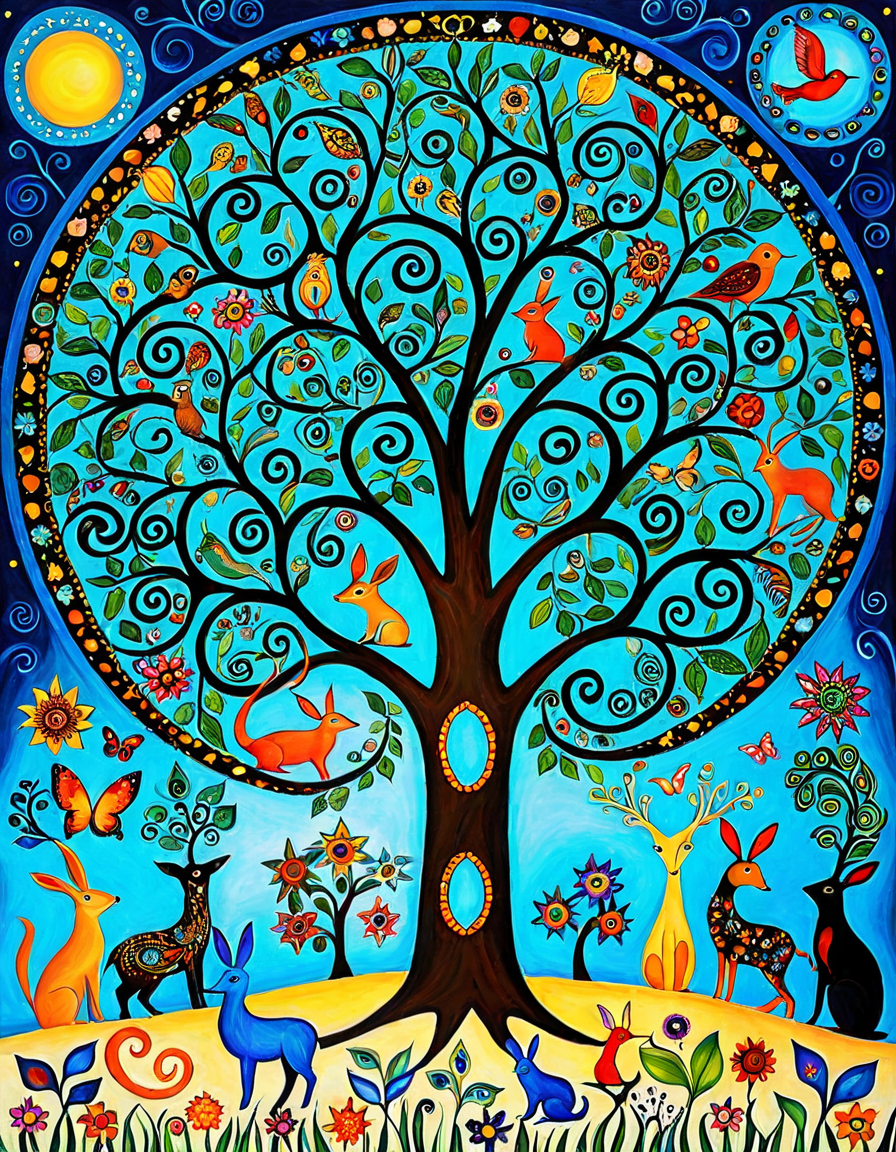
Daydream Believer: Anime Representations of Reincarnation
Anime has become a prominent platform for exploring reincarnation, turning it into a source of inspiration and entertainment. Titles like “In Another World with My Smartphone” depict characters regaining their lives and wielding analytical decisions in playful, fantastical worlds.
These daydream believer narratives showcase how precious life is, often incorporating societal aspirations and fears. Viewers find themselves immersed in stories where reincarnation provides an avenue for redemption, growth, and escapism. Such tales successfully evoke admiration and spark reflections on individual choice and responsibility, making them resonate deeply with fans around the globe.
Moreover, the dynamic nature of reincarnation within anime serves to express the fundamental human desire for second chances. This yearning becomes a compelling narrative device, and as such, these series often reflect the bittersweet nature of existence, harmonizing both dreams and harsh realities.
A Different Dimension Reincarnation: The Multiverse and Beyond
The concept of different dimension reincarnation extends beyond traditional beliefs into speculative fiction, resonating with many contemporary narratives. An exciting instance can be found in series like “The Seven Deadly Sins,” where choices made in one life reverberate throughout multiple existences.
This notion resonates with fans, providing insight into connections across different lifetimes. When characters face consequences from past decisions, they often serve as mirrors reflecting our own choices. The multiverse adds a layer of complexity, highlighting that our lives intertwine with countless versions of ourselves.
Thus, the imaginative power expressed through these narratives can not only entertain but also inspire self-reflection about individuality and interconnectedness. The different dimensions of reincarnation spur a myriad of ideas, convincing us that every decision shapes our present and future endeavors.
The Reincarnation Colosseum: Battlegrounds of the Soul
Imagining reincarnation as a battleground evokes vivid imagery, transforming life’s journey into a competition of the spirit. This metaphor perfectly illustrates narratives where souls vie for better rebirths—a playful reference dubbed the reincarnation colosseum.
In video games such as “Dark Souls,” players navigate through perilous landscapes while grappling with fate and ambition. Here, they embody characters who endure struggles, reinforcing the idea that overcoming challenges can lead to a powerful metamorphosis. Similarly, series like “No Game No Life” push characters into strategic confrontations where intellect and willpower determine their reincarnated outcomes.
These creative explorations turn reincarnation into a thrilling adventure rather than a solemn reflection. By emphasizing struggle and grandeur, both gamers and viewers can engage in these narratives, which spark curiosity and collaboration as they ponder the essence of existence.
Metamorphosis: The Personal Growth Aspect of Reincarnation
At its core, reincarnation centers around personal growth, allowing individuals to derive insights from their past lives. This metamorphosis often entails evaluating experiences and actions to foster positive change. Psychological studies support the idea that engaging with past life beliefs can lead to meaning-making in one’s current life.
Across cultures, people interpret their past lives to facilitate personal healing and accomplishment. By embracing the belief in reincarnation, many discover a fresh perspective on responsibility and ethics. This reflects how our actions impact not only our lives but others’.
Moreover, interviews with individuals who recognize their past experiences highlight the transformative power of these beliefs. These personal journeys emphasize how our growth relies on understanding ourselves—not solely as isolated beings but as part of an intricate network of spiritual continuum.
A Lasting Impression: The Standard of Reincarnation in Contemporary Society
The reincarnation definition remains an influential concept that resonates within spiritual conversations, psychological explorations, and creative narratives alike. In an increasingly diversified society, grappling with this idea invites contemplation not just about the afterlife but the life we lead today.
Incorporating beliefs around reincarnation encourages self-awareness and moral responsibility, prompting us to consider the legacy we create in our existences. With the backdrop of expanded conversations around mental health and personal expression, individuals are continuously motivated to recognize their journey.
Understanding reincarnation in its many forms allows us to appreciate the rich tapestry of human experience and aspirations. As we continue to celebrate creative expressions, it’s essential to reflect on how these narratives reveal our shared experiences—transforming the quintessential human tale into a vibrant, ongoing journey.
Reincarnation resonates profoundly throughout varying cultures and narratives. By engaging with the reincarnation definition, we unlock the potential for learning and growth, paving the path for deeper understandings of ourselves and others. Let’s cherish this multifaceted concept as it transforms characters, enriches storytelling, and ultimately reflects the lives we lead today!
Reincarnation Definition: Fun Trivia and Interesting Facts
What Does Reincarnation Mean?
Reincarnation definition is a fascinating topic that echoes through cultures worldwide. Essentially, it refers to the idea that the soul or spirit begins a new life in a different body after death. This concept isn’t just a fabric of myths or beliefs; it significantly influences philosophies, religions, and, surprisingly, even pop culture! Speaking of influences, did you know that legendary composer Yoko Kanno has shouted out themes of rebirth in her unique musical style? Her compositions set the perfect tone for exploring such profound topics in shows like Cowboy Bebop.
Additionally, the visual representation of reincarnation has inspired anime, like the Reincarnation Coliseum, where characters face challenges to find their past lives and understand their destinies. It’s a thrilling way to ponder life’s mysteries. The exploration of these ideas can sometimes be as enticing as savoring some Krispy Kreme free Doughnuts during a late-night binge-watching session.
Reincarnation Across Cultures
Across the board, various cultures have their own takes on reincarnation. For example, in Hinduism and Buddhism, it’s tied to karma, where one’s actions dictate future lives. Meanwhile, some Native American tribes believe in the returning of spirits to the earth. Despite the different lenses through which it’s viewed, the core idea remains that life is a cycle. Interestingly, even modern shows reflect these viewpoints—like First Daughter, which begins to explore individuality in contexts of life cycles. So, if you ever feel like you’re starting fresh, you’re in good company!
There’s a certain joy in examining how these beliefs affect our daily lives. As you ponder this, consider how tools in our lives, much like the ones offered by Zoro Tool, help us navigate our day-to-day challenges—just like understanding reincarnation can guide our perceptions of life. It’s clear that life, death, and rebirth form an ever-intriguing triangle of existence, reflected in everything from ancient texts to today’s Fox News Headlines.