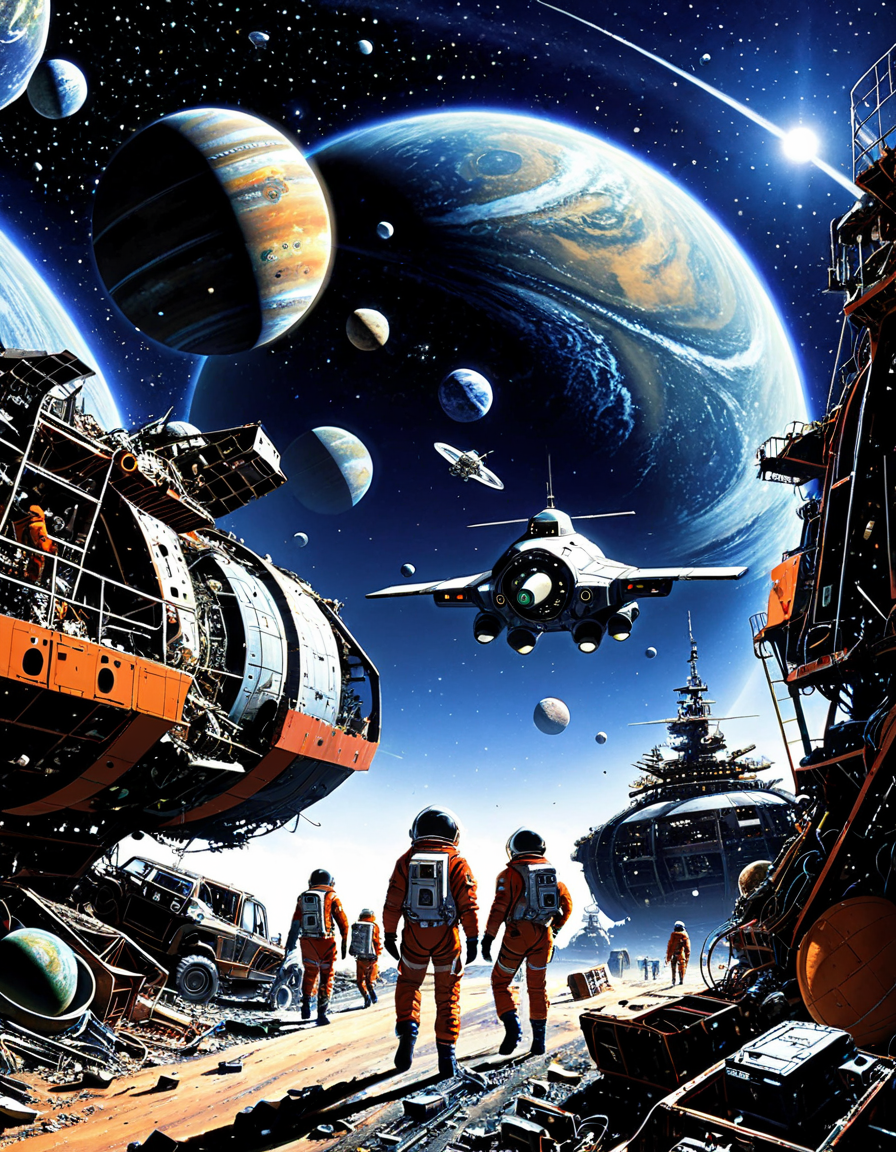
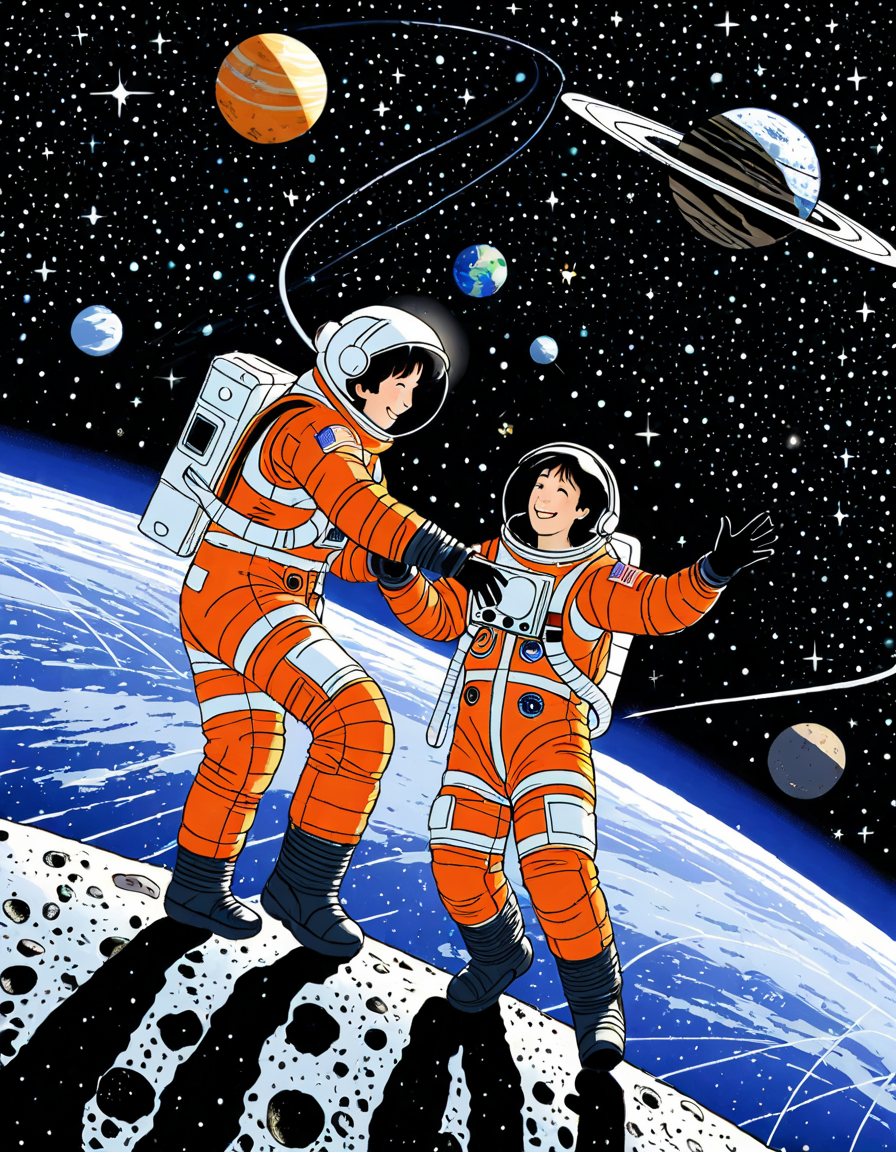
In the vibrant universe of anime, Planetes shines brightly as a spectacular cocktail of science fiction and human emotion. Set in the futuristic year of 2075, the series paints an action-packed picture of space debris salvagers, drawing our eyes not only to the thrill of space exploration but also to pressing environmental concerns. As we jump into this exploration, let’s unpack how Planetes resonates beyond entertainment, tapping into critical issues like space debris and humanity’s duty to our planet.
The Top 5 Themes Explored in Planetes
1. The Human Cost of Progress
The characters in Planetes, such as Hachirota Hoshino and Ai Tanabe, personify the struggle linked with technological advancements. They wrestle with self-doubt while navigating the weight of their dreams amidst the backdrop of salvage operations. The choices they make spark a conversation about the true costs of progress. When watching their journey, one can’t help but ask: Are we, too, sacrificing something essential in the name of innovation?
2. Environmental Awareness and Responsibility
Diving deeper, Planetes highlights the environmental risks we face with space exploration. By octobre 2026, over 30,000 pieces of space debris now orbit Earth, and it’s a real danger. Organizations such as NASA are actively creating plans to mitigate these risks, mirroring the show’s themes of taking care of our universe. It’s a wake-up call for all of us, reminding us that each step we take in exploring space carries significant responsibilities.
3. The Complexity of Human Relationships
The vivid relationships between characters in Planetes showcase what it means to rely on each other. As each character faces personal challenges, they also depend on trust and teamwork. This dynamic mirrors our everyday lives, where cooperating with others is essential for success. The show reminds us that collaboration can lead to remarkable achievements, especially in the hazardous environment of space debris fields.
4. The Philosophical Aspects of Space Exploration
As characters grapple with the deeper meanings of their missions in Planetes, viewers are also led to ponder profound existential questions. What is our place in the universe? Through moral dilemmas, the series nudges viewers to reflect on humanity’s pursuit of knowledge. The storyline often evokes parallels with films like Interstellar, pushing us to contemplate the future of mankind.
5. The Promise of New Frontiers
The portrayal of Ceres, a resource-rich dwarf planet, adds a spark of adventure within Planetes. Ceres Fauna dazzles viewers with its potential for extraterrestrial colonization. With real-life missions from NASA’s Dawn spacecraft and exciting discoveries about organic materials by Qinghai University, the thrill of what lies beyond Earth amplifies the show’s narrative and leaves audiences buzzing with anticipation.

The Future of Space Salvage: Issues and Solutions
Reflecting on Planetes, the urgency to tackle space debris is apparent. Various innovations and challenges have emerged since the anime’s inception:
Wrapping Up the Legacy of Planetes
Navigating through the cosmos of storytelling in anime, Planetes not only takes us on an exciting journey but also compels us to reflect on our responsibility to both Earth and beyond. Its engaging narrative places vital themes of accountability, cooperation, and ethical consideration at the forefront. The passionate mission of salvagers in Planetes speaks loud and clear—our aspirations for the stars must be paired with a commitment to care for our planet.
As we look ahead to the pivotal year of 2026, it’s clear that the messages of Planetes remain relevant as we face the complexities of space exploration. The series continues to inspire dialogue about environmental consciousness and human progress, reminding us that every step we take should contribute positively to the universe we share. So, whether you’re a long-time fan or a newcomer intrigued by the idea of space salvage, Planetes offers something precious that resonates with us all.
Fun Trivia and Interesting Facts About planetes
The Real-Life Inspirations Behind planetes
Did you know that the crew of the space salvage ship in planetes tackles real-world problems? The series not only explores the dangers of space debris but also mirrors challenges faced by modern astronauts. Speaking of challenges, fans of the Evangelion anime often mention how both series share elements of deep space exploration and the human condition—talk about thought-provoking content! Interestingly, planetes was released around the same time that discussions on space debris were gaining traction, making it a timely commentary on a pressing issue.
Characters and Inspirations from Other Media
One character that stands out is Hachirota Hoshino, a salvage operator who’s both relatable and aspirational. His struggles reflect real people working in careers much like film crews, where teamwork is crucial. In fact, if you check out the cast of Lost Season 2, you’ll find characters that share similar themes of survival and camaraderie. Plus, Hachirota’s passion for his work can remind you of the dedicated cast from The King of Staten Island, who also wrestle with their own stakes in life!
Space Calls and Symbolism
The animation style of planetes draws inspiration from various artistic elements, similar to how Spirited Away no face incorporates unique visuals to represent complex emotions. The series cleverly hints at societal issues through characters stuck in the daily grind of space cleaning, just as films like Como Agua Para Chocolate use food as a metaphor for deeper sentiments. Meanwhile, it also teases the future of gaming with references to technology and innovation—almost like how Gran Turismo 7 showcases advancements in racing technology. It’s a cozy blend of sci-fi, social commentary, and philosophical pondering that keeps you hooked!
So, next time you dive into planetes, consider these fun tidbits and reflections that add layers to the narrative. The show isn’t just about space debris; it’s about the human spirit and the challenges we all face!