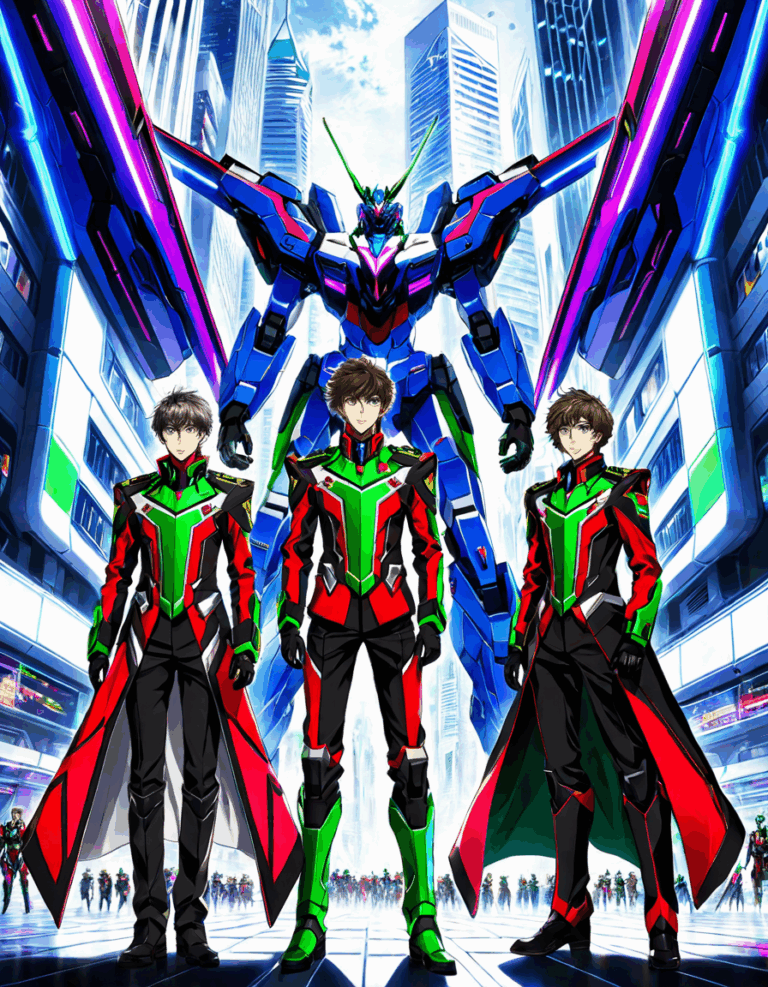
“Mobile Suit Gundam Iron Blooded Orphans” is a standout series in the storied Gundam franchise. Since debuting in 2015, this iconic anime offers more than giant robots clashing in battles; it presents a haunting exploration of war, identity, and growth against a backdrop that resonates with fans of science fiction and real-world conflicts alike. By merging political intrigue, riveting character development, and the grim realities of a war-torn world, “mobile suit gundam iron blooded orphans” has secured its place in the hearts of viewers.
Top 5 Themes Explored in Mobile Suit Gundam Iron Blooded Orphans
At its core, “Iron Blooded Orphans” confronts the grim reality of child soldiers. The show follows Tekkadan, a band of orphans turned mercenaries, exploring the ethical quandaries surrounding youth being thrust into the brutal world of war. By highlighting these narratives, the series forces viewers to contemplate how societies breed violence and often exploit the young. It’s a gut punch that lingers with you long after the credits roll.
The theme of legacy weighs heavily on characters like Orga Itsuka and Mikazuki Augus. Each of their journeys unfolds amid chaos, leading them to question their identities shaped by the past. Characters wrestle with their relationships and decisions, inviting viewers to empathize with their struggles. This aspect creates a profound connection, making their paths gripping and relevant, particularly for young audiences grappling with similar identity issues.
The series masterfully integrates political dynamics and corporate machinations. By engaging with factions like Gjallarhorn while exploring the various Earth and space colonies, it illustrates how power dynamics propel conflicts forward. The show offers an unfiltered look at how corporate interests can dictate the fate of people, drawing eerie parallels to today’s global issues surrounding corporate accountability and governance.
Friendship serves as a beacon throughout “Iron Blooded Orphans.” It’s refreshing to see relationships rooted in genuine support, contrasting sharply with those forged from fear. The powerful bond between Akihiro and his fellow crew members demonstrates the strength found in loyalty, even amid betrayal and loss. This narrative angle encourages viewers to ponder what true loyalty looks like when times get tough.
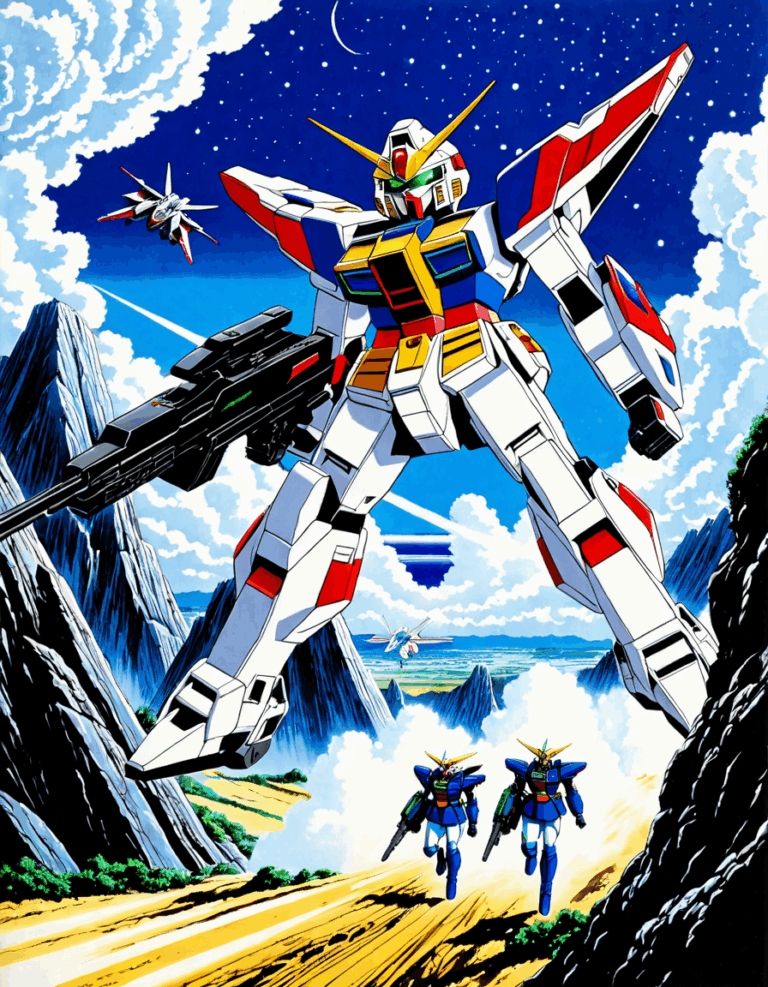
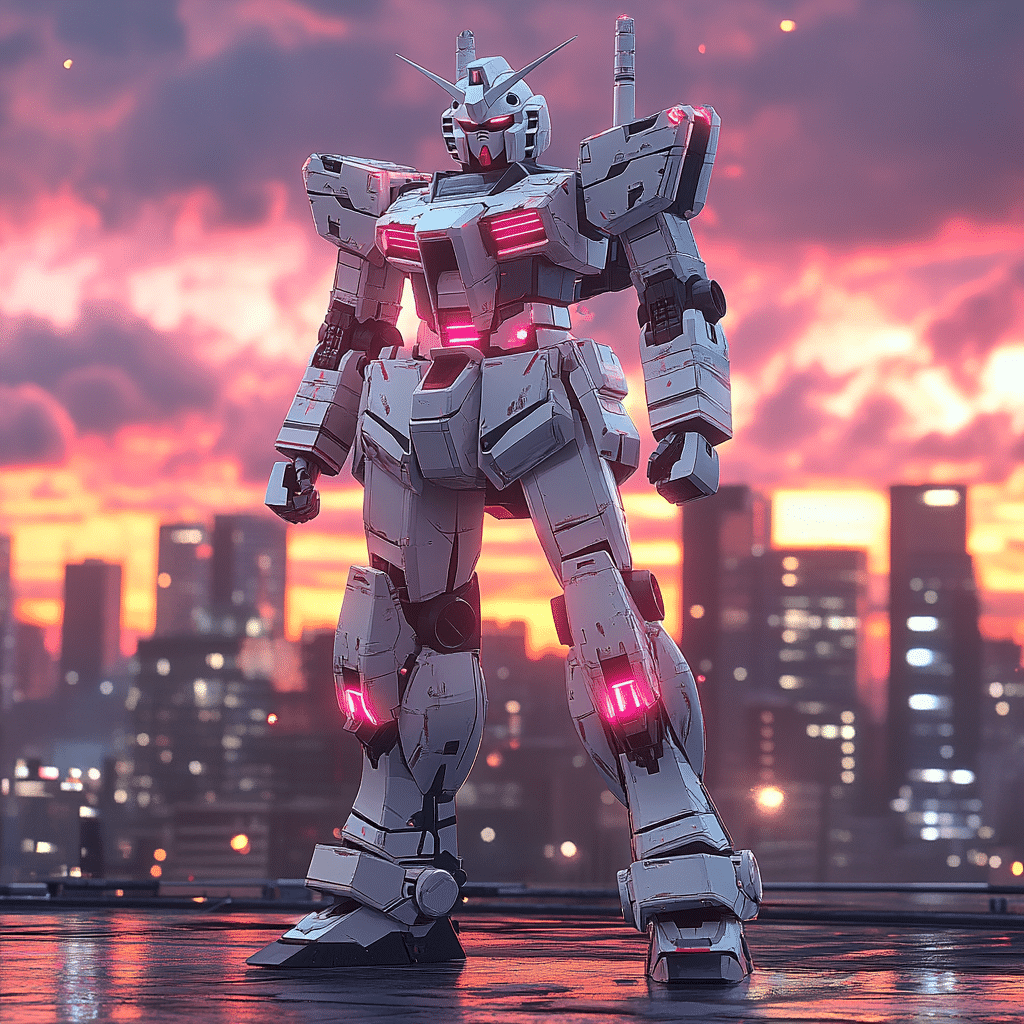
One of the standout visual elements of “mobile suit gundam iron blooded orphans” is its portrayal of advanced mobile suits, especially the mighty Gundam Barbatos. These machines symbolize the relentless march of technology in warfare, sparking conversations about the moral implications behind such advancements. The series echoes sentiments seen in “Gundam Wing Endless Waltz,” making audiences question the human cost of progress in warfare.
Analyzing the Legacy of Mobile Suit Gundam Iron Blooded Orphans within the Franchise
The impact of “Iron Blooded Orphans” reaches beyond its immediate narrative; it reshapes how we think about the Gundam franchise as a whole. Past series often glorified the heroism of war, while this entry opts for a darker, more realistic portrayal of conflict. In doing so, it stands in stark contrast with other entries, like “Gundam Wing,” which center on clear-cut definitions of good and evil.
Comparisons to Other Works in the Gundam Franchise
The Future of Mobile Suit Gundam Iron Blooded Orphans: What Lies Ahead?
As we venture beyond the story arcs laid out in “Iron Blooded Orphans,” the future looks promising for the Gundam franchise. The success and resonance of this series have paved the way for new narratives and expansions. With upcoming films and potential spin-offs, both creators and fans seem eager to explore the series’ moody themes even further, focusing on war’s moral complexities and the quest for identity.
Fan interest in “Mobile Suit Gundam Iron Blooded Orphans” remains robust, thanks to merchandise, fan events, and a thriving online discourse. These elements deeply underscore the legacy of the series. As the Gundam universe shares its stories, “Iron Blooded Orphans” sets a standard for future narratives, prompting ongoing reflection about the nature of conflict and humanity.
With new adaptations on the horizon, the impression left by “Iron Blooded Orphans” feels unshakeable. It’s reshaping how we appreciate storytelling in anime and challenging audiences to consider essential societal issues. As the franchise evolves, it will likely continue to embrace these thought-provoking themes, affirming the power of animation in sparking conversations about humanity’s challenges.
Explore exciting development like Blade Of The 47 Ronin and resonate with poignant themes found in Magica Madoka. Dive into evolving tales that address our complex world, all while appreciating the rich legacy of “Mobile Suit Gundam Iron Blooded Orphans.
In summary, the series triumphs not just as entertainment but as an essential commentary on the realities of conflict, identity, and the price of progress, ensuring its place in the esteemed annals of the Gundam legacy.
Mobile Suit Gundam Iron Blooded Orphans: Epic Trivia and Interesting Facts
Unraveling the Grit of War
Did you know that “Mobile Suit Gundam: Iron Blooded Orphans” isn’t just a tale of mechs clashing in the sky? It dives deep into themes of survival, sacrifice, and the bitter realities of war. The series is set in a rugged world where kids, known as “orphans,” pilot huge mobile suits to carve out their destinies. This setting is reminiscent of various media, echoing stories like that of Donna Summer And her powerful songs which express overcoming life’s struggles. The series also showcases a unique take on camaraderie; the bonds between characters are as strong as the steel of their suits.
Transitioning from camaraderie, the brilliantly designed mobile suits capture the essence of each character’s growth and struggles. As if pulled from the pages of an epic saga, the mobile suits in “Iron Blooded Orphans” highlight the characters’ journeys, much like the compelling narratives seen in other popular series, such as Senran Kagurun. Each pilot not only fights in their machines but also wrestles with their past and future, making for some intense narrative arcs that keep fans coming back for more.
Love, War, and Cultural Expressions
An interesting tidbit is that “Mobile Suit Gundam: Iron Blooded Orphans” showcases influences from various cultures, adding depth to its storytelling. This is especially true when you consider the art and character design, which can remind viewers of the heartfelt tale found in Fell in Love With an Okinawan girl. Similarly, the emotional weight of the characters reflects a relatable humanity, strengthening the connection viewers have with them. And just like the vibrant mix found in the world of Pulgas, the series presents a fusion of action, drama, and character development that keeps fans on their toes.
Lastly, the creativity involved in crafting this series matches the passion of renowned creators like Chelsea Laden, who pour their souls into animation and storytelling. The attention to detail in both the narrative and animation is remarkable. Viewers often marvel at the intricate designs of costumes, and takes, much like the iconic Camisa. Each episode invites audiences not just to witness battles but to feel the pain, joy, and determination of the orphans, which is a precious gift to fans of the genre. Whether you’re a die-hard Gundam fan or a newcomer,Iron Blooded Orphans” has something unique to offer!