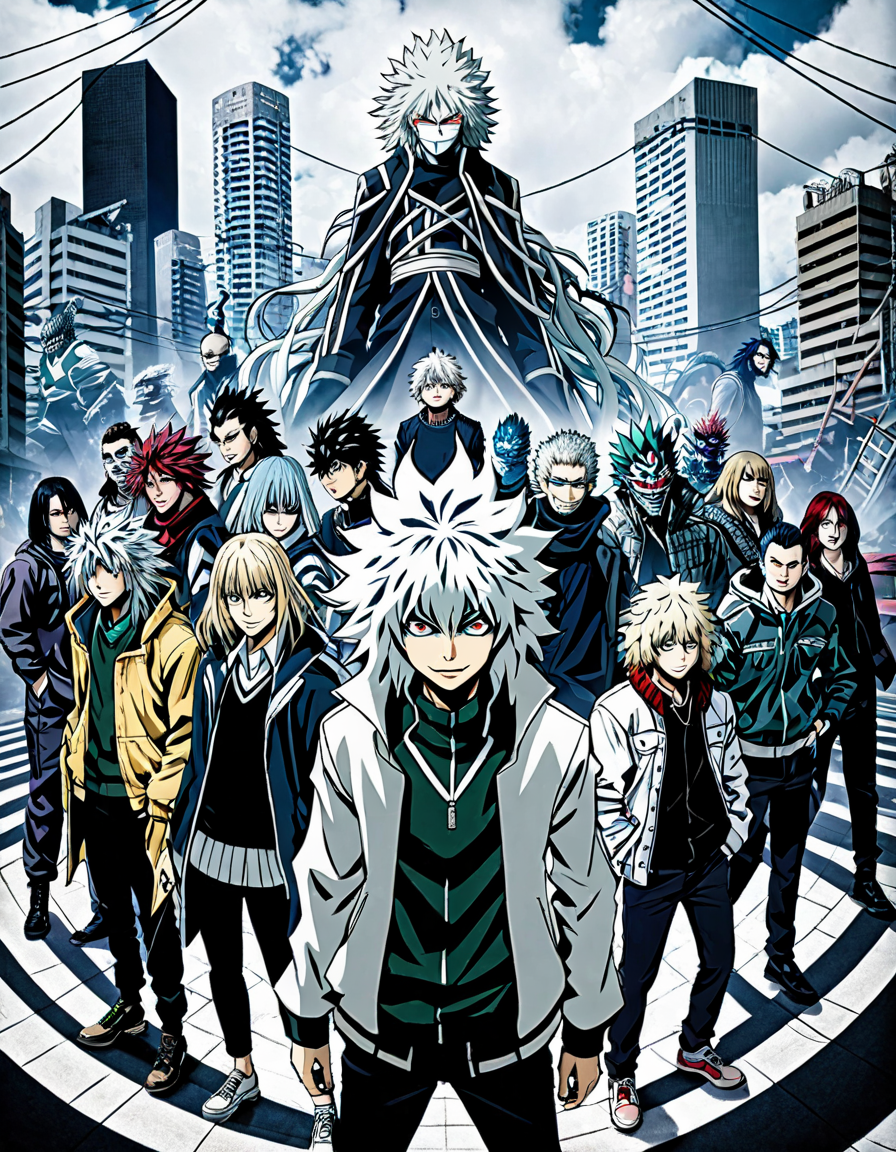
Tomura Shigaraki, the main antagonist of My Hero Academia, isn’t just your average villain. No way! His character journey and depth make him an unforgettable presence in Kohei Horikoshi’s anime universe. With themes like trauma, ideological conflict, and the consequences of power at play, Shigaraki stands tall as a chilling embodiment of villainy. Join us as we dive into seven key aspects that shape mha shigaraki into the iconic villain we can’t help but watch.
1. Tragic Origins: The Catalyst of Villainy
Shigaraki’s backstory reveals the crucial roots of his villainous path. Born as Tenko Shimura, he faced severe neglect and abuse from his family. This dark chapter didn’t just shape him—it seared him. The pivotal moment comes with the tragic death of his family, which he inadvertently caused with his Quirk, Decay. This early trauma paints a striking picture of how buried pain can twist someone into a harbinger of chaos. Quirks may define a character’s abilities, but the emotional scars depict their true nature. It’s a sobering reminder that behind every villain, there’s often a heartbreaking story waiting to be uncovered.
2. The Ideological Conflict: Anarchy vs. Hero Society
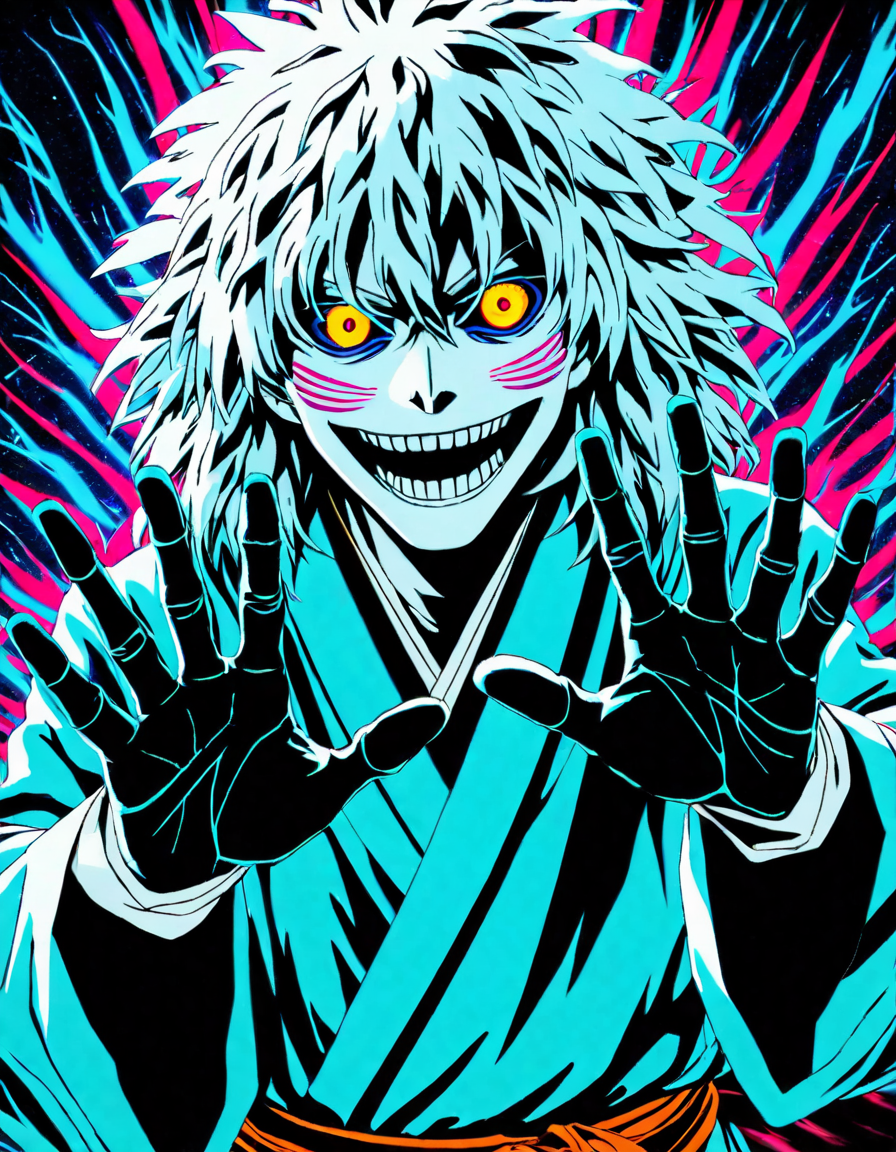
Facing off against the heroes in My Hero Academia, Shigaraki champions a vision rooted in chaos. For him, the current hero system symbolizes oppression, sparking his desire to dismantle everything heroes stand for. In this ideological struggle, Shigaraki’s views resonate with real-world events—think protests against established systems around the globe. By standing against authority, Shigaraki dons the mantle of rebellion. He challenges the status quo, raising profound questions about the nature of power and freedom. This clash isn’t merely black and white; it’s laced with shades of gray, reflecting the complexities of societal structures.
3. Manipulation and Strategy: The Mind Behind the Mayhem
Don’t let his fearsome exterior fool ya—Shigaraki’s intelligence plays a massive role in his villainous reign. He’s not just a brawler; he’s a master manipulator. His ability to assemble a diverse group of villains into the League of Villains showcases his extraordinary leadership skills. Shigaraki orchestrates massive attacks and sets ambitious plans, proving he’s got a strategic mind that rivals even the sharpest of heroes. His tactical prowess mirrors that of real-world strategists—like how sports legends like José Mourinho craft winning teams through psychological insights. Just as Mourinho builds a strong squad, Shigaraki forms his chaotic ensemble, emphasizing that villains can be master strategists, too.
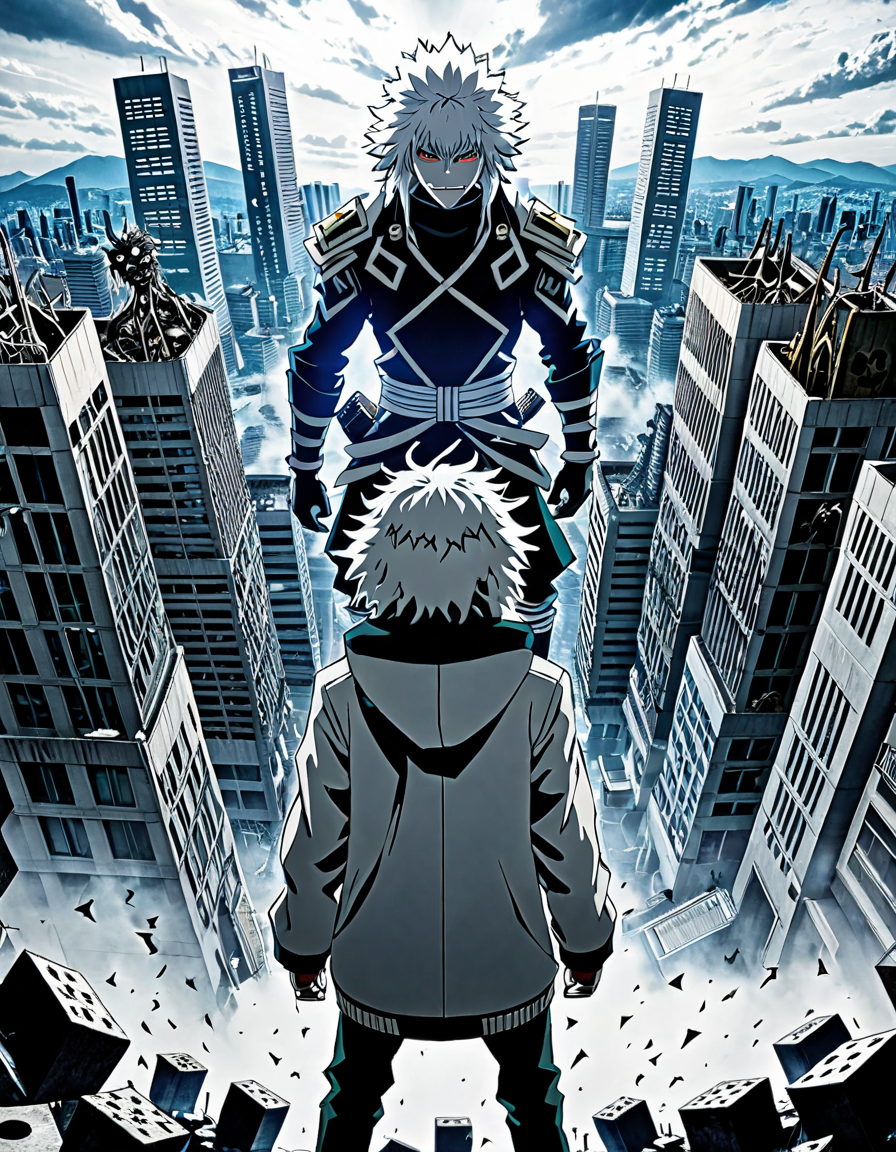
4. Evolution of Power: From a Boy to a God of Destruction
A massive transformation marks Shigaraki’s arc throughout My Hero Academia. Started as a disgruntled teen, his evolution in power and perspective compels attention. As he trains, he grows into a figure capable of massive destruction. The transition from a troubled boy to the God of Destruction exemplifies how ambition can morph into something dangerous. As seen with characters in shows like Empire Of The Sun, power unchecked can lead to calamity. Each step of Shigaraki’s development questions the fine line between utilizing power for good or falling into darkness. It’s a cautionary tale that resonates universally—what happens when ambition goes too far?
5. A Reflective Mirror for Heroes: The Antithesis to Deku
In the grand saga of My Hero Academia, Shigaraki stands as a polar opposite to Izuku Midoriya (Deku). If Deku represents endless hope and the desire to rescue others, Shigaraki embodies the tragic missteps that lead one down a dark path. They’re two sides of the same coin—each shaped by their environments and choices. This rivalry sparks discussions about fate versus free will, urging viewers to ponder the thin line separating a hero from a villain. Their contrasting paths remind fans that every choice can significantly influence one’s journey.
6. The Complexity of Loyalty: Relationships within the League of Villains
Shigaraki doesn’t act alone; his relationships add depth and intrigue to his character. The chemistry between him and members of the League of Villains—like Dabi and Twice—exposes hidden layers beneath his villainous mask. These moments of camaraderie show vulnerability and warmth, humanizing Shigaraki amidst chaos. Just like in our lives, bonds can emerge from the most unexpected situations, even among those considered “bad.” Reflecting real-life connections, these interactions enrich the character arcs within the series. They take the villain group from mere chaos agents to a twisted family dynamic that keeps us engaged.
7. A Reflection of Societal Fears: The Fear of the Unknown
In many ways, Shigaraki embodies our societal fears about losing control. As the real world grapples with unpredictable challenges—seeing wild shifts in politics, climate change, and global health crises—Shigaraki resonates with the general unease. His character represents those chaotic tendencies lurking just beneath the surface, waiting for the right moment to break free. In a way, he shakes our belief in stability and order, urging viewers to confront the uncertainties of modern life. As horror and chaos become increasingly prevalent in the media, Shigaraki remains a figure of unrest, echoing our collective anxieties.
Unraveling the Layers of mha shigaraki
Tomura Shigaraki stands as a potent reminder that villains often become what they are due to their circumstances. By dissecting the layers that form his character—from deep emotional scars to a thirst for anarchy—we see how he encapsulates the multifaceted nature of villainy. His journey prompts us to consider profound questions about morality and choice, forcing us to confront what lies within us. As My Hero Academia unfolds more narratives, Shigaraki remains a compelling symbol, challenging our understanding of good and evil. In the end, it’s not just about heroes versus villains—it’s about how we navigate our darkest fears and desires.
In a world teeming with complexity, much like the whirlwind of popular Cartoons, characters like mha shigaraki remind us that every story has depth waiting to be explored. So grab your favorite name plate necklace, coast on a crazy cart, and immerse yourself in the thrilling adventures that My Hero Academia offers. Whether explosive battles or poignant character moments, the journey stands as captivating as the finest art from anime and beyond. Doesn’t every frame and subplot sing with possibilities?
MHA Shigaraki: The Menacing Force Behind Villainy
The Dark Origins of MHA Shigaraki
MHA Shigaraki, the nefarious leader of the League of Villains, has a backstory that’ll send chills down your spine. Born Tenko Shimura, he changed trajectories after a tragic incident in his childhood that left him orphaned and filled with hatred. This dramatic shift reflects the profound impact of personal trauma, similar to the emotional struggles depicted in stories like The Devil And God are raging Inside Me. Just like that narrative’s exploration of inner conflict, Shigaraki’s transformation into a villain shows how circumstances can warp a person’s identity and choices.
Moreover, interesting trivia about Shigaraki reveals that his character design and quirks are influenced by various creative sources. Did you know that the meticulous detailing of his decay ability draws parallels to the world of Science Fell in Love, So I Tried to Prove It? The obsession with scientific principles is rife in many anime, and Shigaraki’s abilities echo questions of morality and consequence akin to findings in labs. It seems that even in the heat of battle, he represents an unsettling reminder about the fragility of humanity—much like we’ve seen in everyday sports dramas, or even in the life lessons taught by figures like José Mourinho, who often emphasizes resilience and strategy.
Shigaraki’s Impact on the Series
As viewers, we’re often engrossed in the adrenaline-pumping fights and dramatic stakes, but what makes MHA Shigaraki such a compelling villain is his transformative journey and the themes he represents throughout My Hero Academia. Interestingly, while My Hero Academia ranks among the longest-running anime, Shigaraki manages to be a character that evolves at a staggering pace, leaving fans continuously engaged in his narrative. His relationship with All For One highlights a power dynamic reminiscent of master-student bonds seen in various anime, creating layers that go beyond mere villainy.
But wait—there’s more! As Shigaraki’s story unfolds, he becomes a foil for heroes like Deku, who struggles with his ideals and responsibilities. This juxtaposition illuminates the contrast of their paths and motivations, making every interaction significant. It’s no coincidence that anime heroes and villains often reflect societal issues, which is why MHA Shigaraki remains a relatable antagonist. It’s a bit like relishing a fine wine, such as the Connie Perignon—it’s complex, has many layers, and leaves a lasting impression long after the encounter is over!
In conclusion, MHA Shigaraki isn’t just a chaotic force; he embodies many themes from personal struggle to societal critique. His role as a villain sets him up as a vital character in the unfolding story of My Hero Academia, prompting fans to re-evaluate what it means to be good or evil in an ever-complex narrative.