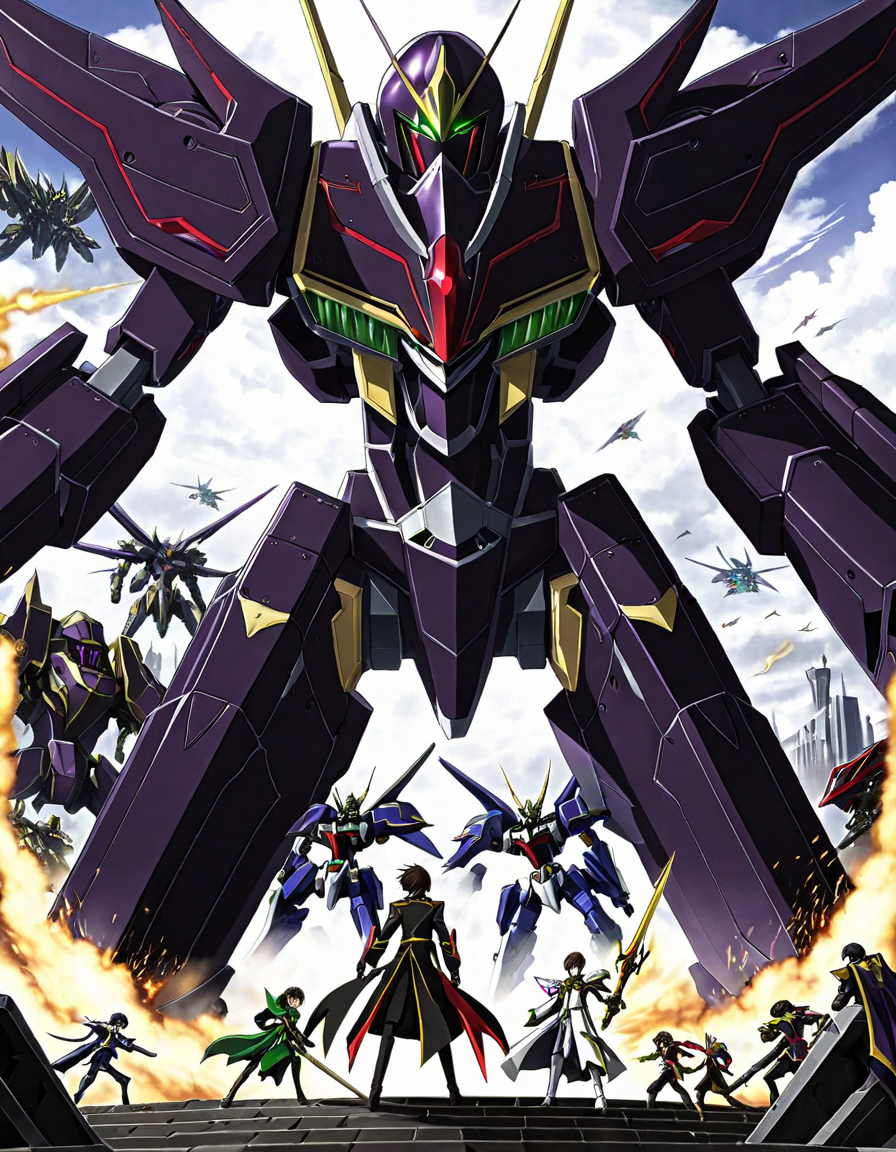
The character of Lelouch Lamperouge from the iconic series Code Geass has captivated audiences since his inception. His journey is defined by intricate layers of moral ambiguity, strategic brilliance, and an insatiable thirst for power. In examining the nuances of Lelouch and his infamous quest, we uncover how his drive shapes not just the narrative, but also influences an entire generation of anime viewers and creators.
Lelouch’s quest for power revolves around his revolutionary approach to leadership. He isn’t just an ambitious character; he embodies the struggle between right and wrong. Audiences resonate with his moral dilemmas, often feeling torn between his just goals and ruthless methods. This tension keeps fans talking about him years after the conclusion of the series, proving that characters like Lelouch and their personal journeys are still relevant today.
This article explores how Lelouch and his ambition compare to other iconic characters. By acknowledging these relationships, we can see how he fits into the rich tapestry of anime and how he continues to inspire storytelling even as we navigate the current trends in animation. Let’s delve into seven exciting comparisons that highlight the magnetic allure of Lelouch.
7 Ways Lelouch and His Ambition Compare to Other Iconic Characters
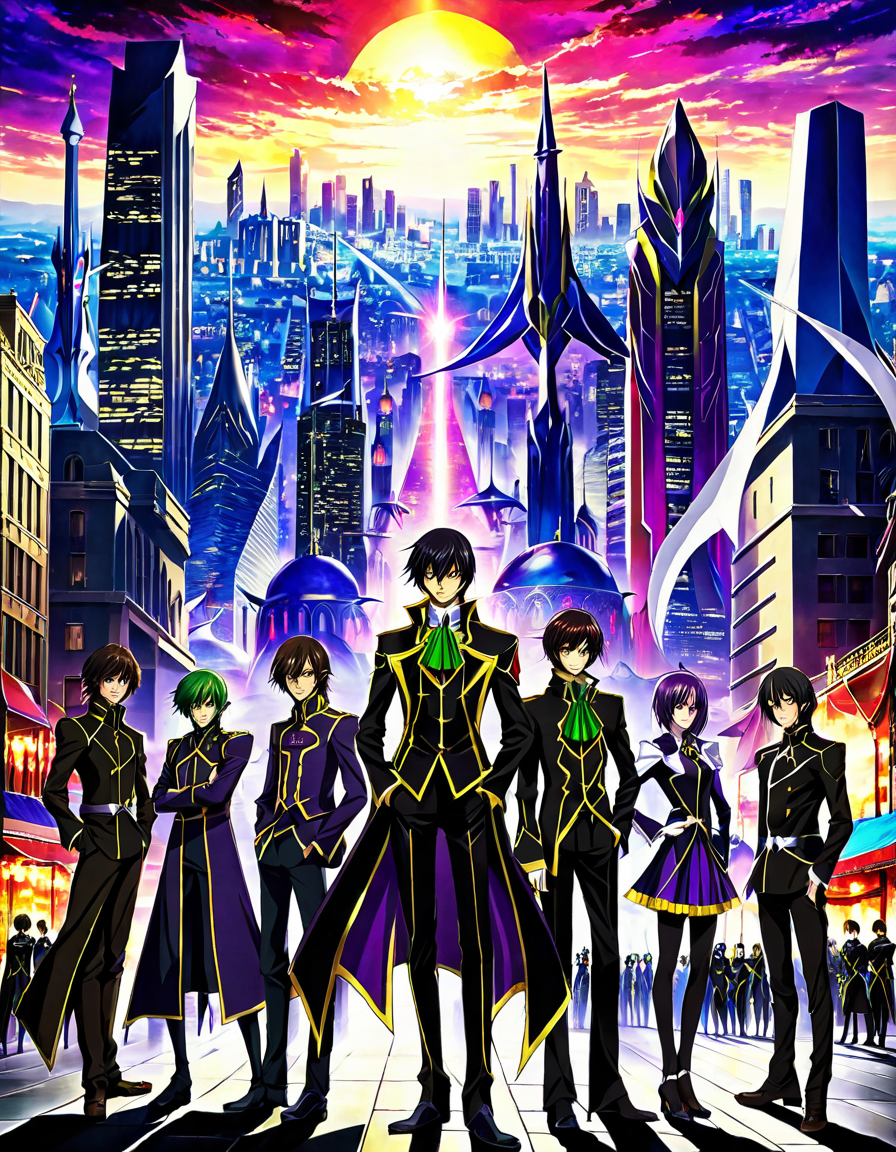
1. Lelouch and Light Yagami – The Throne of Death and Power
Lelouch and Light Yagami from Death Note bear striking similarities in their deep obsession with power, albeit through different lenses. While Lelouch seeks to change the world through rebellion, Light aims to become the god of a new world. Their strategic mindsets and moral dilemmas draw compelling parallels, showcasing the fine line between justice and tyranny.
Both characters meticulously plan their every move, bringing forth thrilling narratives that keep viewers on the edge of their seats. Fans can’t help but wonder: how far is too far when it comes to shaping the world? This question resonates heavily when discussing Lelouch and Light, solidifying their significance in anime history.
2. Lelouch and Boa Hancock – Charismatic Leaders with Dark Past
Boa Hancock from One Piece is another complex character who wields great power and attracts followers with her charisma. However, her route to power is steeped in personal trauma and a yearning for vengeance. Similarly, Lelouch’s charisma stem from overwhelming personal loss.
Both characters draw fans in with their impressive leadership. They demonstrate how past experiences shape one’s present and guide the pursuit of power. Just like the ambitious boa hancock figure, Lelouch’s journey reflects the often-painful past that fuels their drive to lead.
3. Lelouch and Courtney Laplante – The Voice Behind Darkness
Courtney Laplante, known for her captivating vocals in the metalcore scene, channels emotional depth through her lyrics. Much like her, Lelouch is constantly exploring themes of power and struggle, highlighting the dark side of ambition. Their journeys illustrate how pursuit can lead to isolating consequences.
Through their expressive artistry, Courtney and Lelouch stir strong emotions among their respective audiences. Both challenge us to engage with our own concepts of power and perception, reminding us that ambition can change us—for better or worse.
4. Lelouch and the “Court of the Millenium Actress” – Transcending Time
The film Millennium Actress dives into the intricacies of memory and identity, two concepts that resonate deeply with Lelouch’s evolution. His quest for power isn’t solely about conquest; it’s about creating a legacy that transcends time. Both Lelouch and the protagonist of Millennium Actress navigate through complex relationships and the weight of their histories.
Lelouch’s ambitions shape his interactions and decisions, echoing the emotional narrative in Millennium Actress. This comparison highlights how intertwined our quests for power and legacy can be, fostering a deep emotional response for audiences.
5. Lelouch and His Schemes – From Strategy Game to Reality
Imagine a chess board filled with intricate moves—this is Lelouch’s playground. His strategic genius is akin to chess grandmasters always looking several steps ahead. This intellectual prowess sets him apart from more impulsive characters in anime. Fans have often marveled at how his schemes reveal the importance of meticulous planning, encouraging aspiring creators to include similar strategies in their narratives.
Such scheming resonates with audiences, drawing them deeper into the Code Geass universe. It inspires storytelling methods that emphasize the psychological aspects of characters, shaping nuances in how we understand ambition.
6. Lelouch and the Anti-Hero Archetype
As one of anime’s most notable anti-heroes, Lelouch embodies complex morality twisted by ambition. He reflects the growing trend where audiences are drawn to anti-heroes who display relatable flaws and morally ambiguous principles. This character evolution echoes through many modern series, shaping how we perceive heroics and villainy.
His struggle prompts us to reflect on the gray areas that exist in all of us. The rise of characters like Lelouch signifies an evolving narrative landscape, one where understanding and empathy form the foundation of storytelling.
7. Lelouch and His Lasting Legacy – The Influence on Anime Today
Even in 2026, Lelouch’s character continues to dominate the conversation in anime circles. His fusion of ambition and nihilism finds echoes in new works proliferating today. As creators dive into morally gray characters, the spirit of Lelouch laments his influence, solidifying lasting impacts on the community.
Current popular shows adopt elements of his character, showcasing an ongoing admiration for his legacy. Viewers can recognize the seeds he planted that have helped shape modern anime narratives, leaving a rEmarkable print on the industry.
The Allure of Lelouch: A Character Study
Lelouch’s character development is marked by profound layers. His duality offers viewers a gripping narrative, driven primarily by a sense of justice and a thirst for revenge against overarching oppressive forces. This tension makes him both admirable and despicable in equal measure.
The characters he interacts with, including his sister, Nunnally, and rival, Suzaku, are crucial to his evolution. Their differing ideals clash with his own, forcing Lelouch to confront the consequences of his actions. These dynamics enrich the story, encouraging audiences to wrestle with their own beliefs about justice and morality.
Code Geass has inspired numerous anime exploring similar themes. For instance, Cross Ange questions power dynamics and gender roles, reflecting societal changes. By weaving together narratives of power and conflict, these series show how Lelouch’s character challenges conventional storytelling, shaping the fabric of modern anime.

Embracing the Dilemma of Power
Lelouch’s legendary quest for power transcends ambition; it tackles profound philosophical inquiries about leadership, morality, and the heavy cost of authority. Engaging with his journey pushes us to evaluate our understanding of power and its ramifications.
As the anime landscape continues to evolve, the essence of characters like Lelouch Lamperouge remains crucial. He serves as a compelling reminder of the thin line between heroism and villainy, illustrating the universal battle for power, purpose, and legacy.
By diving into Lelouch’s world, viewers are continually challenged to reassess their beliefs around power and entitlement, making his character truly legendary. The legacy he leaves behind transcends mere storytelling, creating lasting discourse that enriches the anime community.
In conclusion, let’s cherish the rabbit holes that all these legendary characters, like Lelouch, take us down. They enrich our lives as spectators, igniting our imaginations and shaping our understanding of human ambition in a constantly shifting landscape.
Lelouch and His Legendary Quest for Power
The Legacy of Lelouch
Lelouch Lamperouge, the brilliant mastermind behind Code Geass, is as iconic as the complex narratives that surround him. Fans are often amazed by his ability to strategize, but did you know that his character draws inspiration from various sources? For instance, the concept of rebellion resonates with numerous classic tales, like that of Captain Harlock, whose story revolves around a similar fight against oppressive forces. Just like how Gurenn revamps the mecha genre, Lelouch stands at the intersection of innovative storytelling and deep philosophical questions about power and morality.
The Influence of Lore
Interestingly, Lelouch’s journey has parallels in other media, particularly in stories that explore the human psyche and conflict, reminiscent of Lain: Serial Experiments. Just as Lain dives into identity and reality, Lelouch grapples with heavy themes of sacrifice and control. As he manipulates events to achieve his ends, he embodies the age-old struggle seen in narratives from The , where characters often choose dark paths for desired outcomes. This mix of character depth and moral ambiguity keeps viewers hooked, pondering their own values and choices.
Cultural Connections
The impact of Lelouch extends beyond anime. His determination and intelligence resonate with the grit seen in modern epics, much like the characters featured in Adrian Brody Movies. Moreover, Lelouch’s story reflects the challenges and rewards of ambition, akin to the transformative experiences found in The Tennessean. Even the setting of his escapades can evoke vivid imagery, similar to the luxurious environment of The Westin hotel, which serves as a backdrop for many elite strategic meetings — if only Lelouch had the chance to strategize over a cup of coffee in such a setting! Much like the bustling energy of Mudbay, Lelouch’s relentless quest for power is full of unexpected twists and turns. So, the next time you watch Lelouch in action, remember the layers of inspiration and meaning woven throughout his journey.