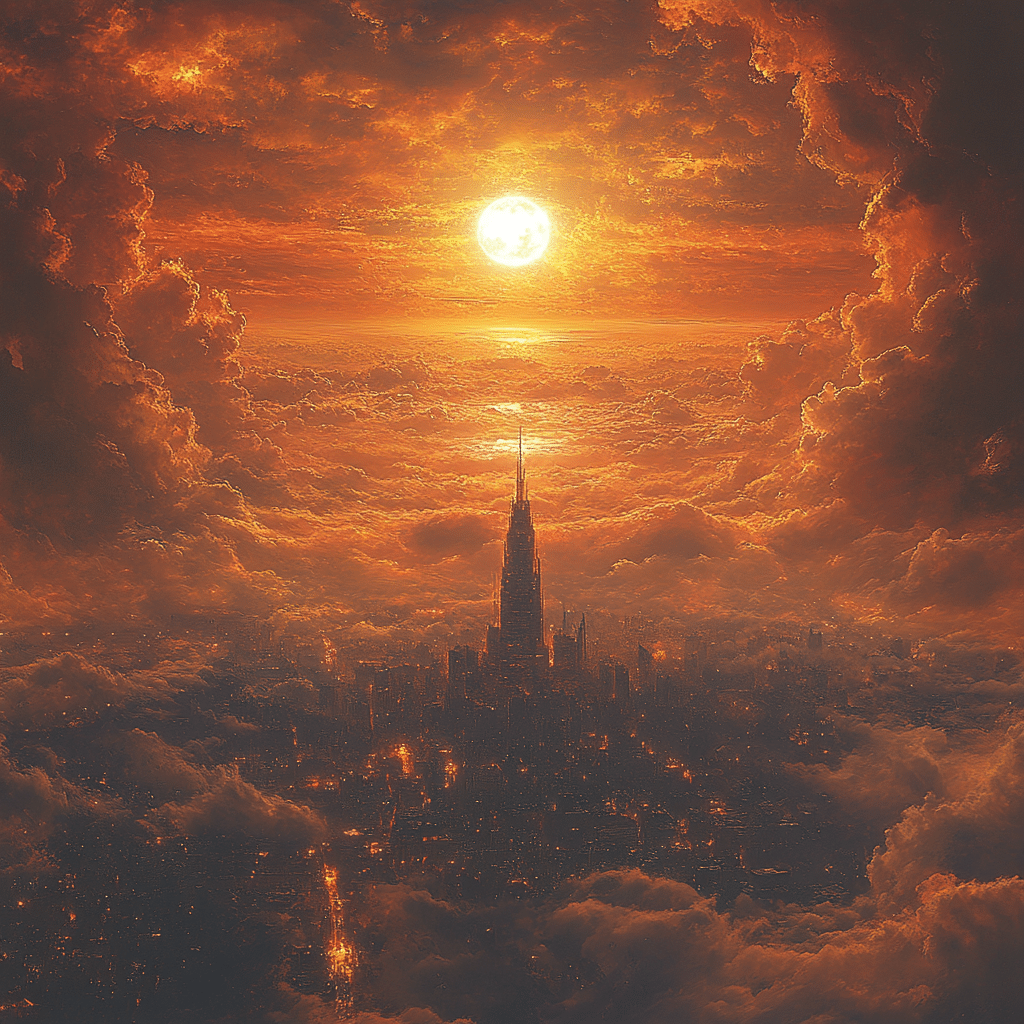
The phrase “the end is nigh” reverberates through our culture like an echo from history, sending shivers down spines and stirring emotions. While some see it as a sign of impending doom, others interpret it as a call to action. Understanding this phrase takes us on a fascinating journey through time, media, and the human psyche—showing us just how much our narratives about the end can reveal about who we are today!
1. The End Is Nigh: Historical Context and Cultural Interpretations
Humans have long been captivated by the concept of an impending apocalypse. Cultures throughout history have warned of “the end is nigh” in various forms. During the Black Plague, people believed that the end of their world was at hand, making desperate pleas for salvation. Fast forward a few centuries, and we found ourselves panicking over the Y2K bug, worried about what would happen when the clocks struck midnight on January 1, 2000.
Religious texts, especially the Book of Revelation, played a significant role in shaping these beliefs. The apocalyptic visions within sparked movements like the Millerites in the 19th century, who expected Christ’s return in 1844. These examples remind us that our fears often reflect deeper societal anxieties, revealing much about our collective mental state. As we explore these themes today, the refrain “the end is nigh” serves as a poignant reminder that humanity has always grappled with its mortality.

2. Top 5 Modern Interpretations of “When End World” in Popular Culture
Fast-forward to the modern era, and you’ll find that “the end is nigh” has been interpreted through various lenses in pop culture. Here are five notable interpretations that highlight how our fears manifest in games, movies, books, and more:
2.1. Video Games: “The Last of Us”
In the groundbreaking game “The Last of Us,” players enter a world ravaged by a fungal infection, illuminating not just survival but the essence of humanity. The narrative confronts players with not just the devastation of civilization but also the moral choices that arise in the wake of collapse. The emotional storytelling compels players to reflect on what it means to be human when the world as we know it crumbles. If you’re curious about the upcoming “The Last of Us Season 2 Episode 2,” dive into the newest developments in this gripping tale! Check it out here !
2.2. Films: “Children of Men”
“Children of Men” paints a chilling picture of a future where humanity is on the brink of extinction due to infertility. Instead of a sudden end, it shows a gradual decline of hope, society, and order. The world seems bleak, but there are still moments of beauty amid despair. With its powerful narrative, the film prompts us to consider not just what leads to “the end,” but also what makes life worth living.
2.3. Literature: “Station Eleven”
Emily St. John Mandel’s novel “Station Eleven” offers a post-global pandemic perspective. It invites readers to contemplate life after civilization—what remains when everything crumbles? By juxtaposing art and human connections against the shadow of impending doom, the story challenges our perceptions of “is world end,” emphasizing that beauty and love still exist. It’s a brilliant exploration that teaches us about resilience!
2.4. TV Series: “The Walking Dead”
“The Walking Dead” has intricately woven narratives around the psychological effects of societal collapse. Characters grapple with their identities and community ties in a hostile environment. The phrase “the end is nigh” constantly echoes, yet amidst the chaos, relationships blossom. This series examines how human connections can provide meaning in a disintegrating world.
2.5. Music: “This Is the End” by The Doors
The song “This Is the End” by The Doors captures the essence of existential dread mixed with personal and societal fears. Its haunting lyrics resonate deeply, expressing themes of mortality and the human experience. With its mix of despair and acceptance, it serves as a poignant reminder of our collective struggle within the context of “the end.”
3. The Environmental Narrative: Understanding “Until End World”
A significant angle to consider with “the end is nigh” today is the environmental crisis. As scientific reports warn us about impending disasters, the urgency of “until end world” has taken center stage. The Intergovernmental Panel on Climate Change (IPCC) has issued stark warnings about the consequences of climate inaction, turning our worries about the apocalypse into stark realities.
The rise in global temperatures and extreme weather events—like the 2021 Pacific Northwest heat dome—illustrate the very real threats that loom ahead. The phrase “the end is nigh” isn’t just a cultural reference; it’s a direct call to action. The alarming shifts in climate remind us that the future is in our hands, and that immediate change is crucial to avoid a catastrophic end.
4. The Psychological Impact: What Does “Is World End” Mean to Us?
As we unearth the meanings behind “the end is nigh,” we can see how it leaves a psychological mark on modern society. Here are some impacts to consider:
By diving into what the phrase “the end is nigh” makes us feel, we can better grasp what motivates people. Sometimes, the sense of impending doom isn’t a force of despair but a rallying cry for change.
The Path Forward: Embracing New Narratives
Ultimately, “the end is nigh” isn’t just a cautionary tale; it’s a reflection of humanity’s struggles, fears, and aspirations. As we step into an uncertain future, shifting our narrative from despair to one of resilience is essential. Embracing creativity, community, and innovation can help us write a new story—one filled with hope and determination.
If the end is on the horizon, how we choose to respond—both individually and collectively—will shape the resilience of the human spirit. So, let’s take the lessons from our favorite anime, like Anime Samurai kenshin, where characters fight against the odds, and channel that into creating a better future. Remember, the end may come, but our journey doesn’t have to end there!
Enjoy exploring how various aspects shape our views of endings! If you want a deep dive into more anime like “Digimon Story Cyber Sleuth Vita,” don’t forget to check out what’s happening in the anime world here !
So, are you ready to embrace a future filled with possibilities? Don’t fret! Together, let’s navigate this ever-changing landscape and forge ahead with a sense of hope!
The End Is Nigh: Fascinating Trivia and Insights
When you think about the phrase “end is nigh,” it practically oozes drama, right? This saying has long been linked to predictions and apocalyptic themes in pop culture, popping up in everything from old religious texts to the latest memes. But did you know that one of its earliest recorded usages dates back to the early 19th century? It’s true! This phrase has become a rallying cry for those foreseeing doom, often parodied in cartoons and films. Think about how it has evolved into humorous contexts, like the memorable White Man character who comedically forecasted doom in a comedic twist on anxiety.
Transitioning from ancient roots to modernity, the phrase has made significant appearances in animated series and films that play with existential themes. For instance, shows like Adventure Time featured scenarios where characters might quip “the end is nigh” right before a quirky adventure—and let’s be honest, these denials of reality only add to the cheer! A good laugh over uncertainty can ease the weight of impending doom. If you’re in the mood for a cinematic experience, check out places like Amc Methuen, where they occasionally screen flicks that touch upon such thought-provoking themes.
Additionally, in pop culture, “end is nigh” captures our collective fascination with endings and rebirths. Look at the White Elephant dilemma in popular narratives, which addresses how societies grapple with the idea of loss. Sometimes it’s the very fear of endings that propels great creativity! Creators like Casey Kasem, originally known for his radio prowess, blended that suspenseful anticipation into memorable TV moments. You’ll find, whether in serious tones or cheeky banter, the entire “end is nigh” motif lends itself nicely to exploring human nature’s quirks.
Finally, let’s not overlook the influence of anime on the phrase’s popularity. Characters evolve amidst perilous situations, echoing that the end is nigh with every transformation, just like how a character achieves Ssj Super saiyan status. This parallel between struggle and growth acts as a reminder: while endings may seem daunting, they can also herald new beginnings. So next time you hear “the end is nigh, remember how entwined it is with our storytelling tradition—it suggests a journey, not just a conclusion!