When you dive into the fascinating and sometimes quirky world of anime and manga fandom, you’ll definitely come across the term “fujoshi.” So, what does it mean to define fujoshi? These fans, primarily women, embrace the captivating genre of Boys’ Love (BL), or Yaoi, where male characters delve into romantic and often sexual relationships. It’s not just a title; it represents a vibrant subculture that has flourished within the larger fandom community. Let’s unravel this term and explore the cultural significance that comes with being a fujoshi.
What Does Fujoshi Mean? The Fandom’s Nuances
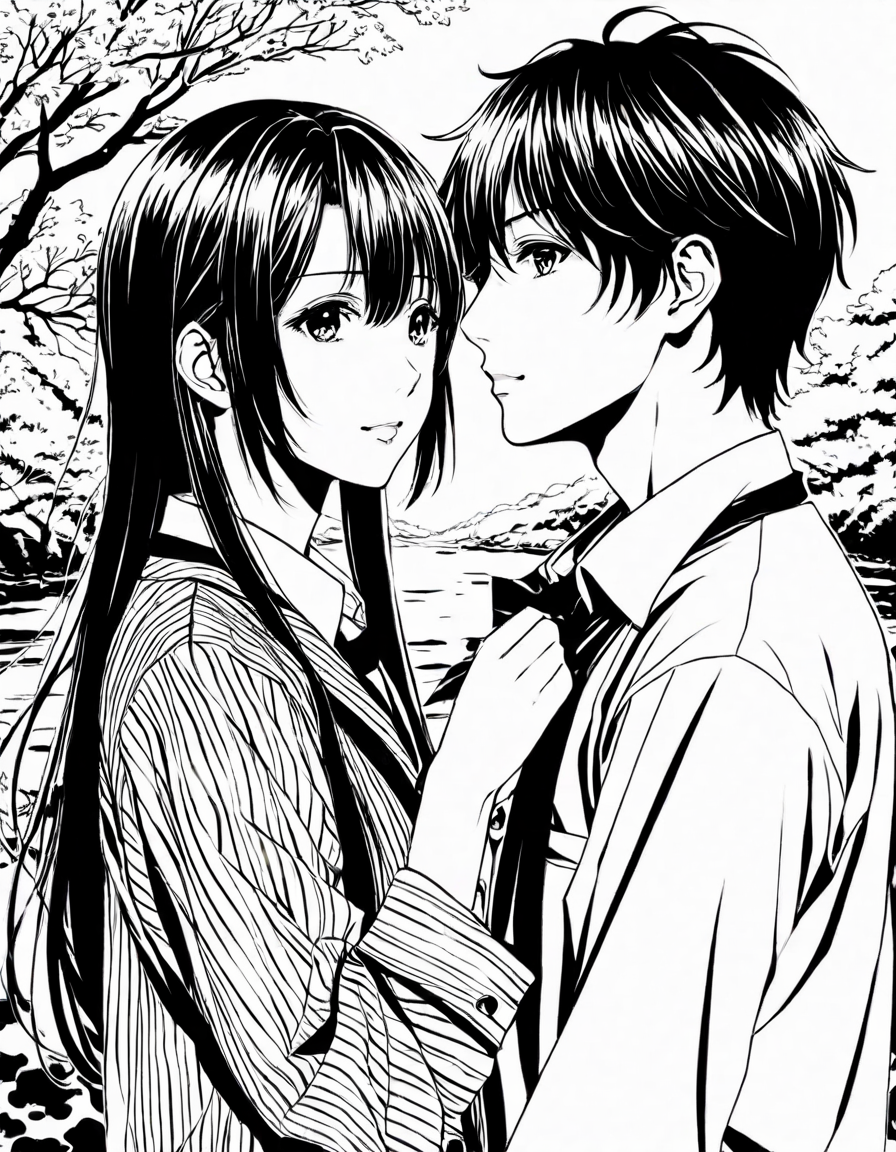
The word “fujoshi,” which literally translates to “rotten girl” in Japanese, started as a playful jab at female fans who revel in narratives involving male couples. Over time, however, this derogatory label transformed into a badge of honor for many. The allure of fujoshi culture lies in its emotional depth, often providing a refreshing spin on traditional romantic storytelling.
Fujoshi are deeply engaged fans, often creating and sharing their own artistic interpretations of beloved characters through doujinshi, or fan-made comics. This activity serves as a canvas for their creativity and allows them to contribute to the broader narrative universe. Understanding the fujoshi identity is crucial; it reveals how these fans not only consume media but actively shape it, driving trends and narratives.
From lighthearted tales to darker, more intense themes prevalent in works like Dark Yugi, the fujoshi community has a distinct and valid place in the anime landscape. By exploring emotional connections in male relationships, fujoshi challenge the norms set by traditional gender roles in storytelling, thereby creating richer narratives.
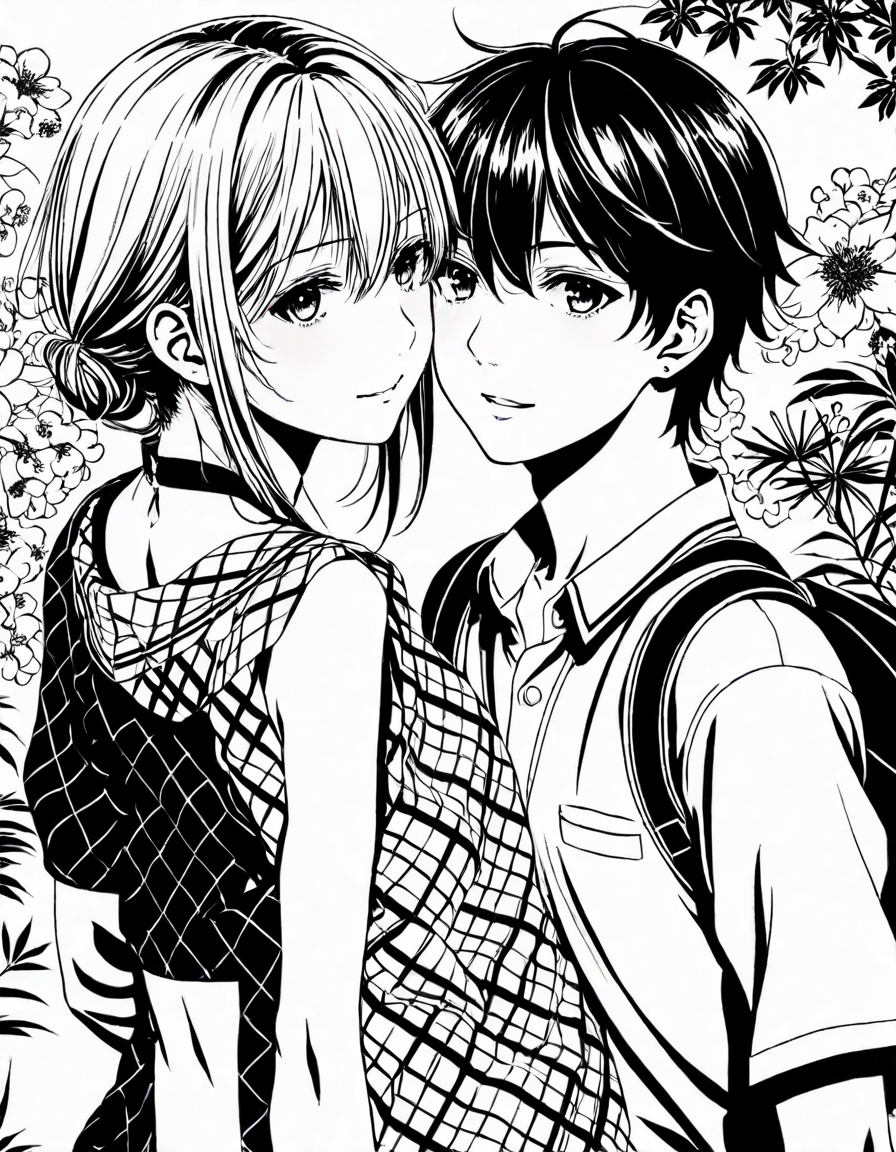
Fujoshi in Context: The Cultural Relevance of Shojo and Shoujo
To better understand the world of fujoshi, let’s take a closer look at the meanings behind “shojo” and “shoujo.” Boiling it down, both terms refer to genres aimed mainly at young female audiences, characterized by intense emotional storytelling and intricate interpersonal relationships. Classic shojo titles like “Sailor Moon” and “Fruits Basket” shine a light on traditional love stories but often focus on female-female dynamics as well.
However, fujoshi fans frequently reinterpret these narratives through the lens of male-male relationships. This twist not only opens up new and exciting avenues for storytelling but also deepens emotional engagement with the characters involved. Works like “Yuri!!! on ICE” and “Bananya” exist at this intersection, inviting fujoshi to enjoy both lively stories and narratives delving into darker themes, such as those found in Dark Yugi.
As these genres evolve, the fujoshi community plays a crucial role in identifying new trends and themes. By embracing male relationships, they radically expand the definition and scope of romantic storytelling, bringing a fresh perspective that speaks volumes about modern relationships in anime.
The Art and Expression: How Fujoshi Contribute Creatively
Fujoshi aren’t just passive consumers; they’re prolific creators. The community showcases its talent through various creative outlets, adding richness to the overall anime and manga tapestry.
The creative outputs of the fujoshi community enrich the anime and manga environments, driving home the importance of representation, authenticity, and emotional storytelling in modern narratives.
The Evolution of Fujoshi: Trends and Predictions for 2026 and Beyond
Fast forward to 2026, and fujoshi influence is more pronounced than ever. As society becomes more accepting of LGBTQ+ narratives, it’s fascinating to see how these themes gain traction in mainstream media.
Exploring Fan Dynamics: How Fujoshi Impact Manga and Anime Culture
The dynamism of the fujoshi community extends far beyond just personal enjoyment; it significantly affects broader cultural conversations. By advocating for varied representations of relationships, intimacy, and emotional engagement, fujoshi have reshaped how anime and manga are produced.
This community’s advocacy has prompted creators to pay closer attention to character development, ensuring that new characters resonate with audiences. Titles like “Horimiya” show a growing emphasis on relatable interpersonal relationships, validating the experiences and perspectives of fujoshi.
As the demand for diverse storytelling grows, the legacy of fujoshi continues to influence new titles. Each story told not only reflects the interests of various subcultures but also opens avenues for deeper connections and conversations among fans.
By engaging with the perspectives and enthusiasm of the fujoshi community, we appreciate a subculture that enriches anime and manga. Their evolution into an accepted and celebrated entity underscores the endless possibilities for storytelling that authentically champions all voices. So, next time you hear the term “fujoshi,” remember the layers of creativity, community, and cultural impact that come along with it!
Define Fujoshi
Fujoshi culture is a fascinating and vibrant community that revolves around the love for Boys’ Love (BL) genres in anime, manga, and novels. This term roughly translates to “rotten girl” in Japanese, originally coming from a playful negative connotation. However, far from being a pejorative, it’s become a badge of honor for many who revel in storytelling that emphasizes romantic relationships between male characters. In defining fujoshi, it’s essential to appreciate how these fans gather to share their passion, often transforming their interests into creative expressions of fandom. You might be surprised to find that just like the lively discussions about Snowmen at night, fujoshi gatherings can be heated debates, full of theories and ideas.
Community and Creativity
Fujoshi often engage in a variety of activities that highlight their creativity and camaraderie. Many enjoy creating doujinshi, which are self-published works that let fans explore their favorite characters and stories. These gatherings may resemble events like the Kemno party, where fan creations are celebrated and shared, showing just how integral the community aspect is. Moreover, fujoshi regularly attend conventions, where they showcase their love for BL while networking with others who appreciate the genre. The dedication of this fanbase can mirror the passion seen in Wizards news, where fans passionately follow updates about their favorite stories and characters.
A Broadening Landscape
It’s exciting to see fujoshi culture evolving, with mainstream acceptance bringing more visibility to BL stories. The genre isn’t confined to Asian media; it’s breaking into Western spaces too, enriching the dialogue around love, sexuality, and gender. Interestingly, this expansion can lead to a mix of experiences, from humor found in jewish Memes to deeply emotional narratives and intense storytelling. Even celebrities, like Molly Eskam, can be found discussing their favorite anime, bridging the gap between casual viewers and die-hard fujoshi fans. This growth illustrates the diverse interests within the community and the universal appeal of these narratives.
Defining fujoshi isn’t just about understanding a term or a genre; it’s about embracing a culture that thrives on connection through storytelling. As fans continue to create and consume media, their passion fuels a colorful tapestry of narratives, much like how seppuku in story arcs can symbolize transformation and growth. So, whether you’re an old-timer or new to the scene, every fujoshi is part of a collective experience that’s sure to spark joy and creativity!