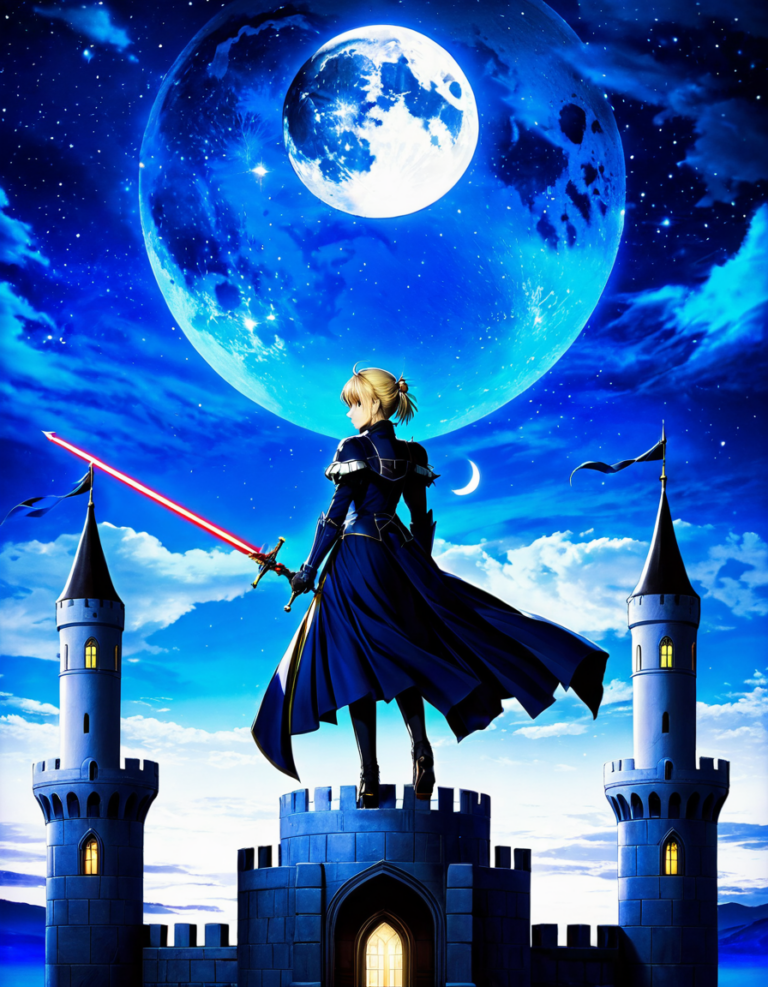
Chunibyo, a term that originated in Japan, captures a distinctive adolescent phase where young folks embrace vivid fantasies and display delusions of grandeur. They often believe they possess special abilities or come from a “darker” past. This quirky behavior isn’t just a punchline for jokes; it resonates with many, adding flavor to youth culture and finding a cozy home in anime and manga. So, let’s dive into whether chunibyo is a magical experience enriching lives or just a passing trend, shall we?
7 Characters That Perfectly Embody the Chunibyo Spirit
The magic of chunibyo manifests itself beautifully through various characters in anime, offering both laughs and a slice of reality. Here’s a look at seven standout characters who embody the essence of chunibyo, bringing relatable narratives to life.
Rikka is the quintessential chunibyo character. With her imaginary “Ethereal Vision,” she navigates a fantastical world, providing laughs while touching on serious themes like identity and mental health. Her colorful antics resonate with viewers, making us both chuckle and reflect.
This character’s quirky demeanor and captivating backstory provide a unique spin on chunibyo. Mafuyu shows us how some use fantasy as a shield against tough personal challenges while also craving acceptance from peers. It’s a compelling take that adds depth to the role.
Aoi’s strong attitude and her conviction in her own supernatural powers highlight the empowering side of chunibyo. Her character journey reveals that accepting one’s eccentricities can redefine friendships and lead to growth. Who knew being a quirky fantasy nerd could be so uplifting?
Shinka represents the duality of growing up while still holding onto childhood fantasies. As a ‘former’ chunibyo, her return to fantastical elements speaks volumes about nostalgia and the innocent joys we often forget as we age. It’s a blend of humor and heartfelt moments.
Tokoyami’s Dark Shadow symbolizes the internal battles many face when accepting their individuality. His journey through heroism illuminates the tension of embracing one’s quirks while discovering true self-acceptance. Plus, who doesn’t love a character with a shadowy side?
Umibozu brings fantasy to life, showcasing how individuals create rich universes to cope with reality. His imaginative world reflects the community bonds formed through shared fantasies, even in darker settings. It’s all about connection through escapism.
This series features characters dealing with fantastical living intertwined with genuine life’s complexities. They portray how real-life influences spark the growth of chunibyo pursuits, making their stories both relatable and thought-provoking.

The Cultural Impact of Chunibyo and Its Representation in Media
Chunibyo’s presence in media strongly shapes how we view these behaviors across various platforms. Anime, manga, and online spaces, such as Gogoanime, serve as gateways, allowing audiences everywhere to explore fantastical adventures. They reflect not just entertainment but mirror the real-life experiences young folks undergo.
The Rise of Chunibyo in Online Communities
The digital age has seen a boom in online communities celebrating chunibyo. Fans now share their fantasies, engage in cosplay, create fan fiction, and produce stunning artwork. The explosion of social media allows for vibrant exchanges of inspiration and self-expression. Younger generations feel freer to embrace their imaginations rather than conform to societal norms.
Criticism – The Fine Line Between Fantasy and Fad
However, it’s important to acknowledge the critics of this lifestyle. Some argue that an obsession with fantasy can lead to unhealthy escapism—where real emotional growth stalls, and face-to-face interactions dwindle. It’s vital to differentiate between those who celebrate chunibyo as a joyful identity aspect and those for whom it may harm their well-being.
Framework for Support: Happiness vs. Hiding
Experts stress the importance of understanding and providing support for individuals resonating with chunibyo traits. Encouraging a healthy balance—where creativity thrives while keeping a foot in reality—is key. Ideally, the fandom would prioritize building camaraderie through events like meet-ups or collaborative projects, fostering deeper connections among fans.

Rethinking Chunibyo: A Lasting Legacy or Passing Trend?
Exploring chunibyo uncovers a rich tapestry woven from dreams and reality. While its appeal may start from laugh-out-loud moments or captivating fantasy elements, the real magic lies in its potential for connection and creativity. Characters face relatable dilemmas while celebrating their uniqueness, striking a chord with audiences today.
Instead of pigeonholing chunibyo as a mere fad, consider it a vital chapter in our youth culture journey. It taps into our need for self-expression, whether through humorous escapism or poignant storytelling. Chunibyo is undeniably more than a fleeting curiosity; it’s a vibrant celebration of our imaginations and how they shape who we are.
If you’re interested in some captivating stories that enhance the fantasy experience, dive into series like Dark Gathering or consider the deep and engaging worlds explored in Viz Manga. And remember, whether you’re into fantasy with a lighter shade, like Bsd Anime, or chasing the mysterious vibes of Sinbad From Magi, there’s something magical for everyone to find!
Chunibyo: Fun Fantasy or Just a Fad?
The Quirky Origins of Chunibyo
Chunibyo, often translated as “middle school second year syndrome,” captures the peculiar phase many kids go through where they believe they possess special abilities or a unique identity. This phenomenon is particularly prominent in Japanese culture, giving rise to various anime series that explore these imaginative lives. For instance, did you know that the visually stunning designs seen in popular anime deconstruct kids’ fantasies similarly to how fashion statements are made today? Just like the vibrant designs seen in Kidsuper, the colors and characters in chunibyo-themed shows celebrate a youthful exuberance that resonates with fans.
The Influence of Chunibyo in Pop Culture
The impact of chunibyo extends beyond anime, influencing trends and creating a vibrant community of fans. Characters who revel in their over-the-top personas can be likened to iconic celebrities—think about actors from popular shows like Adam-12 whose memorable roles inspire a sense of nostalgia. The combination of comedy and fantasy within series like “Love, Chunibyo & Other Delusions” brings to light how these experiences shape social behavior. Isn’t it interesting how people find comfort in these exaggerated personas, mirroring the charm of unique culinary treats like Nata de coco?
The Lasting Legacy of Chunibyo
While some may argue that chunibyo is just a passing phase, its lasting influence can’t be ignored. The connections formed during this periods often lead to lifelong friendships and hobbies. Many familiar faces in entertainment, including those who maintain their child-like spirit, evoke a sense of nostalgia reminiscent of childhood escapism. Mere actors who connect with this playful yearning—for example, think about How tall Is Josh hutcherson and how he encapsulates youthful energy—show that the appeal of fantasy has its roots far deeper than mere entertainment. Chunibyo might seem like a whimsical idea at first glance, but its core embraces the beauty of imagination that resonates with people of all ages. So, is it just a fad? Or a delightful dive into the heart of childhood wonder?
Inclusively, the relationship between childhood and fantasy in chunibyo sparks conversations about identity and creativity, sparking joy long after those middle school days are over. Even sports figures like Charles Leclerc ‘s girlfriend tap into this playful essence, proving that the allure of fantasy can be found everywhere—even off the screen!