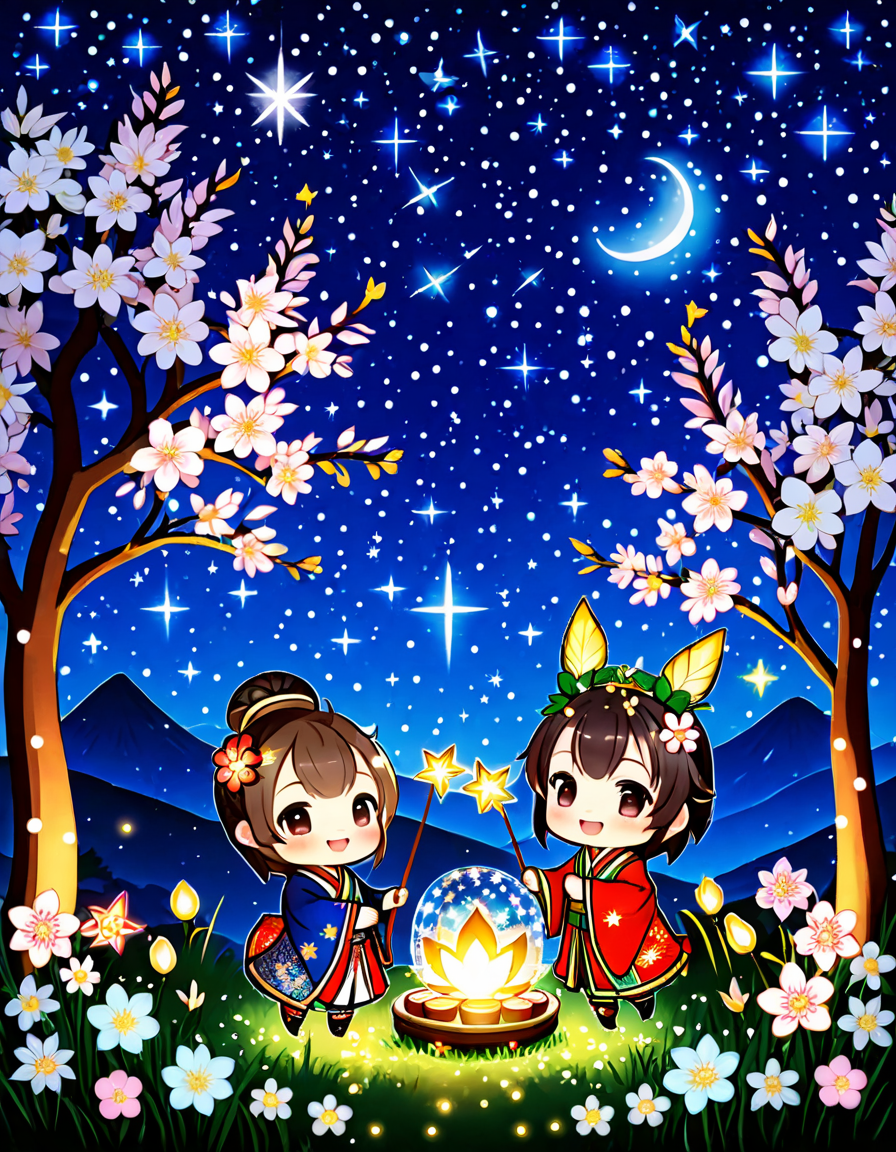
Chibis, those adorable little characters with oversized heads and whimsical expressions, have truly taken the animation universe by storm. Originating from anime and manga, these cute figures have journeyed from niche art forms to mainstream darlings, captivating hearts around the globe. Their charm lies not only in their appearance but also in how they express complex emotions, bridging gaps across cultures and generations. Today, we’ll explore the blossoming artistry of chibis in the animation industry and why they continue to hold a special place in our hearts.
7 Ways Chibis Showcase Artistic Bloom in Animation
1. Expressiveness in Emotion
Chibis shine when it comes to expressing feelings. With their big heads and large, sparkling eyes, they can deliver emotions that resonate deeply. Take the beloved Hatsune Miku, for instance. Renowned artist wowaka brilliantly portrayed her chibi version in music videos, where every exaggerated smile and tear reflects deep emotional narratives. This powerful way of visual storytelling elevates chibis beyond mere cuteness; they provide an emotional depth that fans connect with instantly.
2. Crossover Appeal
Chibis have a unique way of crossing cultural and age boundaries. Characters like Panda from Kawaii Kawaii and the iconic transformation sequences from Sailor Moon reimagined in chibi form attract diverse viewers. This style communicates not just a look but a universal language of joy and nostalgia, enabling fans from different backgrounds to bond over shared appreciation for cute aesthetics and storytelling.
3. Accessibility for New Artists
For budding artists, chibis offer an accessible entry point into the world of animation. Many artists struggle with realistic proportions and anatomy, but creating chibis removes that barrier. Instead, it invites creativity and imagination. Platforms like DeviantArt and ArtStation overflow with chibi artworks showcasing the talent of emerging illustrators like PikaPika, who have harnessed this style to make a name for themselves in the art community.
4. Merchandise and Brand Revival
Chibi designs have taken the merchandise game to a whole new level. Companies like Sanrio and Funko are capitalizing on this trend with their delightful creations. Think of the iconic Pop! vinyl figures that transform beloved characters into irresistibly tiny collectibles! By embracing chibis, they not only boost sales but also breathe new life into nostalgic franchises, appealing to both old fans and a new generation eager for cute collectibles.
5. Community and Collaboration
Online communities focused on chibi art are thriving, promoting collaboration and inspiration. Social media platforms like Instagram and TikTok host challenges that bring artists together to share their techniques and ideas. Events such as the annual Chibi Expo highlight individual talents, fostering a sense of togetherness as fans and creators celebrate their love for chibis and the joy they bring.
6. Animating Cultural Elements
Chibis also serve as a delightful introduction to Japanese culture for many. Animator RikaTomi incorporates traditional themes into her chibi artworks, making cultural storytelling approachable. This introduction allows newcomers to appreciate and learn about diverse art forms while bridging cultural gaps through whimsical, adorable designs.
7. Digital Art Evolution
The rise of digital art has significantly impacted chibi creation. Tools like Clip Studio Paint and Procreate are tailored specifically for artists to create stunning chibi characters effortlessly. This shift from traditional hand-drawn animation to sophisticated digital creations showcases the growth and evolution of animation styles while expanding the endless storytelling possibilities that come with them.

The Impact of Wowaka on Chibi Animation
The late wowaka played a pivotal role in shaping chibi animation’s presence in pop culture. His music, often featuring chibi avatars of Vocaloid characters, captivated audiences with vibrant colors and playful motions. His music videos merged catchy tunes with the lighthearted yet emotional nature of chibis, making them resonate deeply with fans. Though he may be gone, his influence continues through the tributes and reinterpretations created by countless artists inspired by his work.
Wowaka’s creative genius lies in harmonizing playful character design with profound narratives. He showed the animation world how chibis can convey complex emotions while keeping a refreshing sense of joy. Emerging animators find themselves looking up to wowaka’s techniques as a standard to replicate in their projects, highlighting how chibis can tell powerful stories.
Animating a Future with Chibis
Looking forward, it’s clear that chibis won’t be fading away anytime soon. Their adorably exaggerated features will continue to captivate new and seasoned artists alike. With advancements in technology like augmented reality and AI-assisted animations, chibis hold the potential to evolve into even more innovative and immersive experiences. As the animation community embraces and amplifies the charm encapsulated in chibis, audiences can expect these beloved characters to inspire and enchant us for years to come.
The journey of chibis from niche figures to beloved icons demonstrates the significant role they play in modern animative storytelling. The ongoing creativity fueled by digital advances ensures that chibis will keep blooming, expanding their grace across screens, merchandise, and art forms along the way. Whether you’re a longtime fan or just discovering this bubbly world, the future of chibis is as bright as their cheeky grins.
Chibis: Adorable Blooming Artistry in Animation
A Brief History of Chibis
Did you know that the art of chibis has roots that stretch far into anime culture? These pint-sized characters first gained popularity in the mid-90s, particularly with shows like Yuuki Yuuna, where their cuteness often acted as a delightful contrast to more serious themes. Chibis bring an innocence that both lightens the mood and adds depth to storytelling. Speaking of storytelling, speaking of it, chibis have been used successfully across various genres, even in films like the one starring famous actor Demian Bichir.
The Artistic Appeal of Chibis
Chibis aren’t just cute; they’re versatile too! Their exaggerated features—big heads, tiny limbs—make them easily recognizable and relatable. This style often serves to enhance humor and emotion in scenes. They pop up in fan art, merchandise, and even cosplay! One famous example is the iconic Hatsune Mikku, whose chibi designs have attracted fans worldwide. The whimsical representation allows for a playful take on characters, seen in various media sources including Conan discussions about their popularity.
Chibis in Modern Media
Today, chibis enjoy a robust presence on social media platforms, often showcased in fan art and animated clips. And let’s not forget their appearance in various storytelling formats, like series featuring Yao Kazuki. With animations becoming more accessible, many creators are diving into the world of chibis to craft engaging narratives that resonate with audiences of all ages. Even in darker tales, chibis can lend an element of quirky charm; a great example is Darkwanderer, which flips the usual horror tropes through its chibi interpretations.
In essence, chibis connect fans by evoking nostalgia and joy. They certainly don’t shy away from appearing in fun collaborations, like those with influencers like Safa Siddiqui,( blending cultures and styles as they captivate our hearts. Each tiny character, with its oversized charm, brings something special to the grand tapestry of animation and tells us that even the smallest things can hold profound beauty!