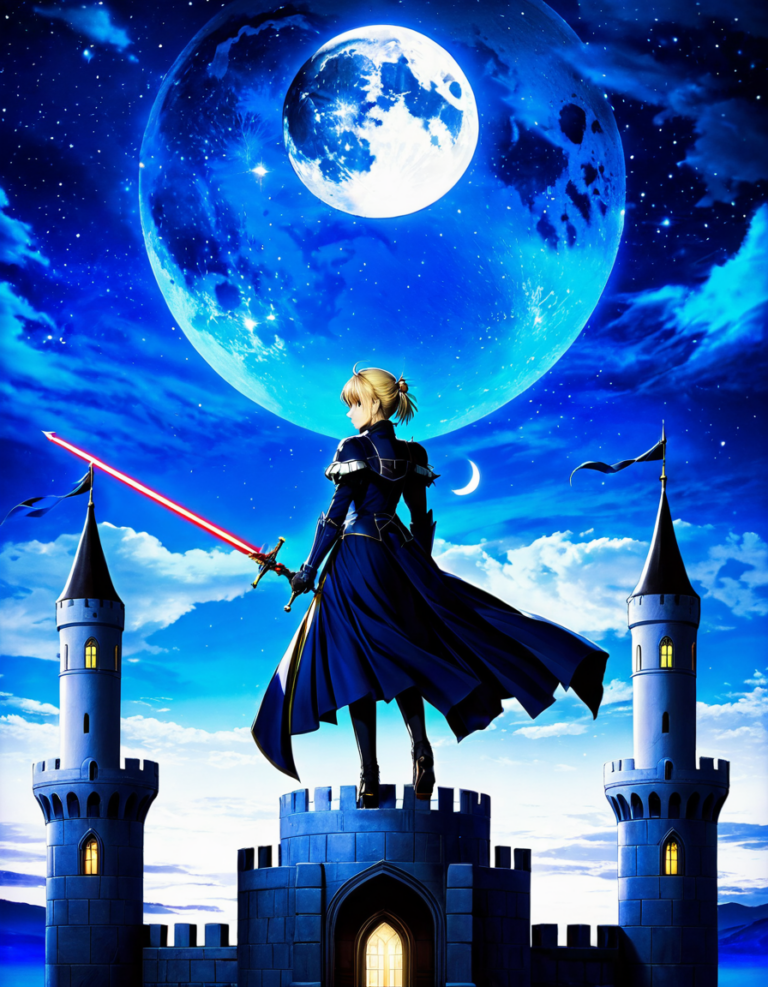
“Chaika the Coffin Princess,” crafted by Ichirō Sakaki, transports us into a whirlwind of fantasy, humor, and action. Since its launch, it has enchanted audiences with its intriguing narrative and vibrant characters. With so many elements coming together, let’s dive deep into the spellbinding world of Chaika the Coffin Princess and discover why it has carved out a special niche in the crowded fantasy genre.
7 Reasons Why Chaika the Coffin Princess Captivates Its Audience

1. Intriguing World-Building
One standout quality of Chaika the Coffin Princess is its richly detailed world-building. The anime unfolds in a post-war fantasy land where remnants of a once-great empire linger. Much like the captivating environments in classics such as Madoka Magica, this world feels layered with history and depth. Complex political struggles and diverse ethnic backgrounds breathe life into the setting, captivating viewers much like the compelling lore found in Dragonball Faima.
The sense of place in Chaika the Coffin Princess is as vital as the plot itself. Viewers find themselves immersed in a land that challenges the characters and mirrors their emotions. It’s akin to discovering a treasure chest in a magical realm—every corner hides a story, every encounter reveals a new layer of conflict. The interconnectedness of the world elevates the stakes, allowing fans to experience not just the adventures but the rich history that shapes them.
2. Complex Characters and Their Development
At the heart of Chaika the Coffin Princess lies its titular character, Chaika Trabant. She’s not your typical hero; her evolution from a seemingly innocent girl to a fierce warrior is truly compelling. This transformation echoes the character arc of Madoka Kaname in Madoka Magica, where growth comes from understanding one’s mission and burdens. As Chaika grapples with her identity and purpose, she mirrors a journey many of us can relate to.
The supporting cast is equally engaging. Characters like Tepe and Akari add layers of complexity to the narrative, offering their own backstories and struggles. Viewers witness a rich tapestry of personal growth, making it easy to connect with their motivations. This multifaceted approach to character development results in relatable heroes and nuanced relationships that resonate with anime fans.
3. Engaging Themes of Memory and Identity
A prominent theme in Chaika the Coffin Princess is memory and how it shapes identity. The anime cleverly engages with questions about personal and historical memories, urging us to consider their impact. This exploration is reminiscent of Narita Boy, which dives into the themes of digital memory and identity, prompting viewers to consider deeper existential questions.
Through Chaika’s quest, we’re encouraged to reflect on what makes us who we are. The show raises vital questions: How do memories contribute to one’s identity? What happens when key memories are lost? Viewers can’t help but ponder these ideas, challenging them to confront their understanding of self and past experiences.
4. Unique Grounded Comedy
Balancing the darker themes, Chaika the Coffin Princess employs a delightful mix of humor. Many scenes are light-hearted, particularly during Chaika’s interactions with her comrades. The clever comedic moments provide contrast to the series’ heavier topics, much like the humor that often breaks tension in Dragonball Faima.
Whether it’s Chaika’s innocent misunderstandings or her companions’ antics, the humor never feels forced. This comedic relief allows the audience to breathe, making the more intense scenes all the more impactful. It’s a crucial part of the storytelling, softening the edges of the narrative while still keeping viewers on their toes.
5. Visually Stunning Animation
The animation in Chaika the Coffin Princess is a feast for the eyes. Created with remarkable artistry, each frame is filled with vivid details and a consistent aesthetic. The backgrounds are rich and immersive, much like the stunning visuals seen in Godzilla: Singular Point.
Character designs are equally imaginative, with each character’s look reflecting their personality and story arc. The whimsical yet gritty animation style stays with viewers long after the episode concludes, leaving a lasting impression. Such visual craftsmanship draws the audience in, creating a world they want to lose themselves in.
6. Compelling Antagonists
Not every anime successfully creates memorable villains, but Chaika the Coffin Princess excels in this regard. Characters like the Ghosts and the warring factions provide a rich tapestry of conflict, making the stakes feel higher. Much like the nuanced adversaries seen in the Godzilla franchise, these antagonists are more than just obstacles—they embody deeper themes relevant to the protagonist’s journey.
The layers that make these antagonists formidable enhance the overall narrative. As the heroes face these challenges, viewers become invested, recognizing that the foes they battle are a reflection of their own struggles. This narrative tension keeps audiences at the edge of their seats.
7. Soundtrack That Enriches the Experience
Finally, let’s not overlook the outstanding soundtrack. Composed by Yasuharu Takanashi, the music in Chaika the Coffin Princess heightens emotional moments and drives action sequences. Scores like those in Madoka Magica imbue each scene with remarkable intensity and resonance, transforming simple moments into unforgettable experiences.
The music plays an essential role in shaping viewers’ emotional responses, aligning perfectly with the series’ unique blend of joy and sorrow. Fans often find themselves humming the tunes long after watching, a testament to how music can enhance storytelling in impactful ways.

Why Chaika the Coffin Princess Matters in Modern Anime
Chaika the Coffin Princess represents a shift in anime that speaks volumes about modern storytelling. It’s not just about entertainment; it challenges traditional tropes, providing narratives that are thought-provoking and relevant. The way Chaika and her friends engage with themes of loss, identity, and morality mirrors complex aspects of real life, making it more than just a fanciful adventure.
While light-hearted shows like Dr. Eggman in Sonic cater to action enthusiasts, Chaika the Coffin Princess appeals to those searching for deeper meanings. The balance of humor, action, and emotional layers showcases how anime storytelling can resonate on multiple levels.
The discussion around anime often skims on the surface. Yet series like Chaika the Coffin Princess dive deeper, compelling us to reflect on our lives and choices long after the credits roll. This series has a lasting impact, inspiring fans and creators alike to explore narratives that entertain and challenge us.
In the end, Chaika the Coffin Princess is not just an anime; it’s an exploration of the interplay of memories and identities, reminding us that even in fanciful adventures, we can find relevance to our own stories. This emotional resonance places the series firmly in modern anime’s canon and leaves us with stories that delight, provoke thought, and inspire.
Fun Trivia and Interesting Facts About Chaika The Coffin Princess
Story Inspirations and Background
Did you know that Chaika The Coffin Princess is based on light novels written by Ichirō Sakaki? The story captivates viewers with its enchanting blend of fantasy and adventure, as the titular character, Chaika, journeys to collect the remains of her late father. Interestingly, this premise pulls together elements of classic mythical quests, reminiscent of other epic tales like those found in the popular Naruto series, where character names often have deeper meanings, enriching their stories (check out some Naruto Characters names for more insights). If you’re a fan of bizarre and unexpected twists, you’ll want to keep your eyes peeled for the clever dynamics of Chaika’s companions, which can feel reminiscent of the relationships found in Batman Ninja Vs Yakuza league.
Fun Facts About Characters and Creators
The character design of Chaika is quite striking and was brought to life by Yohiuh Yamada, who skillfully blended gothic aesthetics with whimsy. This sheer creativity echoes in other renowned anime, such as Film Evangelion, where each character harbors a distinct personality and appearance shaped by their own narratives. Furthermore, Chaika’s silent yet powerful demeanor engages viewers, making her a subject of discussion whether you’re at a coffee shop or debating player stats from the latest Milwaukee Bucks Vs Knicks match player Stats. It’s fascinating how these seemingly disparate topics converge, all stemming from this unique storytelling.
Thematic Elements and Cultural References
One of the most intriguing aspects of Chaika The Coffin Princess is its undercurrent of philosophical ideas. The theme of loss and the pursuit of identity directly links to the meaning of “comrade,” portraying relationships that are not just surface-level but delve deep into personal connections. Chaika’s path mirrors many people’s own journeys, making it relatable for fans of all ages. It’s a bit like those heartwarming moments drawn from classics like Letters To Juliet, where love and loss intertwine beautifully. Additionally, the series cleverly explores ambition, serving as a mirror for those on their quests, much like those who search for the best Preworkout to push their physical limits.
In conclusion, Chaika The Coffin Princess isn’t just another fantasy tale; it’s a rich tapestry of storytelling that layers themes of friendship, loss, and self-discovery, all wrapped in the charm of its characters and their fantastic adventures. So next time you tune in, keep an eye out for the clever nods and inspirations hidden throughout this captivating series!