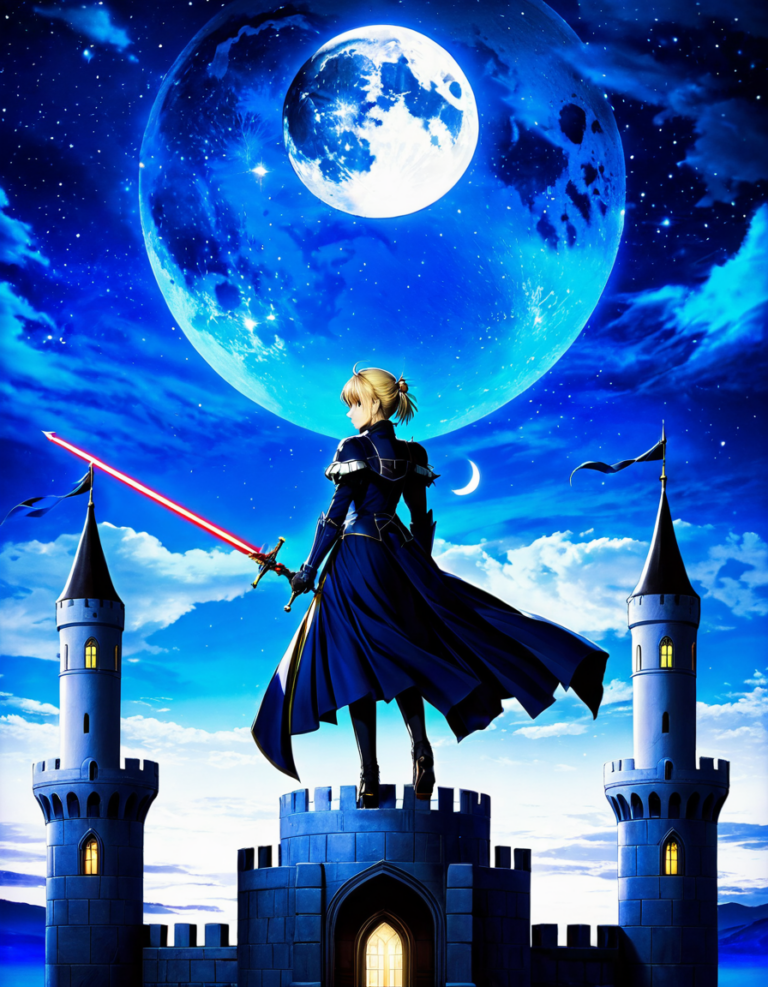
In the rich tapestry of anime and literature, few shows captivate like Bungou Stray Dogs. This series takes iconic literary figures and thrusts them into a modern setting filled with supernatural powers and gripping storylines. The way this anime blends literary history and mysticism creates a unique experience that resonates not just with anime fans but also with buffs of classic literature. In this article, we’re diving deep into the intricate world of Bungou Dogs, examining its most captivating characters, and uncovering the literary inspirations that breathe life into this exciting series.
7 Engaging Themes in Bungou Dogs: A Dive into Literary Mystics
Bungou Stray Dogs serves up rich themes that elevate it beyond standard supernatural fare. Let’s explore seven themes that keep audiences hooked while offering insightful reflections on literature and the human experience.

1. The Power of Words and Literature
Central to Bungou Dogs is the sheer power of words. Characters like Ryunosuke Akutagawa and Osamu Dazai wield their abilities derived from their literary works, turning narratives into both weapons and shields. This poignant theme shows how compelling stories can shape reality and influence personal destinies. It’s a nifty way to remind us of literature’s impact, even in our modern lives.
2. Identity and Agency
Many characters in the Bungou Dogs universe struggle with their identities, shaped by their literary origins. Take Dazai, for instance, whose existential crises and quest for purpose highlight the tug-of-war between self-determination and the fateful legacies imposed upon them. It’s a fascinating exploration of how our histories influence who we become.
3. Morality and Ethics in Conflict
Bungou Dogs boldly addresses complex moral questions through characters’ choices. The armed Detective Agency and the Port Mafia represent contrasting ideologies, sparking lively debates about justice, loyalty, and what defines the greater good. These real-world philosophical conflicts resonate in today’s society, making the series both relevant and thought-provoking.
4. Friendship and Camaraderie
Loyalty and friendship are at the heart of Bungou Dogs. The camaraderie among characters, such as Atsushi Nakajima and Dazai, exemplifies the importance of support in tough times. This theme mirrors the essential elements found in classic literature, reminding us that human connections significantly shape our journeys.
5. The Influence of the Past on the Present
The characters’ abilities and struggles are deeply tied to their historical and literary backgrounds. This dynamic interplay between the past and present enriches the narrative, reinforcing the importance of history in shaping identities. It’s a clever way the show pays homage to literary greats while keeping the audience engaged.
6. The Nature of Genius
In Bungou Dogs, the struggles associated with genius shine through characters like Fyodor Dostoevsky. The turbulence of creativity often leads to inner turmoil, a frequent theme in literature. This exploration highlights the fine line between brilliance and madness—an idea that many viewers can connect with.
7. Existentialism and Nihilism
Osamu Dazai epitomizes existential questions, pondering the worth of life and meaning. Through deep philosophical exchanges, the series raises profound inquiries about existence. This topic resonates with historical and contemporary thinkers alike, creating a rich dialogue within the narrative.
Profiles of Bungou Stray Dogs Characters: Literary Inspirations Come to Life
The characters in Bungou Stray Dogs aren’t merely figments of imagination; they’re vibrant interpretations of real literary figures whose works and personalities shape their roles in the series. Let’s take a closer look at some major characters and their literary counterparts.
Osamu Dazai: The Existentialist Prodigy
Osamu Dazai stands as a significant figure representing the complexities of existential thought. He’s a direct homage to the renowned Japanese author known for his explorations of despair and identity. Dazai’s ability, “No Longer Human,” captures the emotional alienation found in his works, making his character a multidimensional reflection of the author’s struggles.
Atsushi Nakajima: The Transformative Hero
Atsushi Nakajima is a classic tale of vulnerability blossoming into empowerment. He mirrors the profound themes in Nakajima’s literary work. As the series’ protagonist, he symbolizes the journey of overcoming adversity through self-discovery, reminding fans of the enduring power of personal growth.
Ryunosuke Akutagawa: The Tormented Artist
Akutagawa reflects the tortured genius often portrayed in his literature. His overwhelming ability, inspired by works like “Rashomon,” showcases the battle between light and dark within creativity. This duality crafts a compelling character arc, making him relatable, even in his struggles.
Fyodor Dostoevsky: The Philosophical Antihero
Dostoevsky’s portrayal in Bungou Dogs adds a layer of complexity. As an imposing antagonist, he embodies the moral ambiguities present in his novels. The power “Crime and Punishment” serves as a representation of guilt and redemption, injecting philosophical depth into his character.

Navigating a World of Literary Mystics
Engaging with Bungou Stray Dogs offers a delightful fusion of literature and creativity through animation. Each character evokes traits from the literary giants they depict, granting viewers a chance to not only enjoy thrilling plots but also reflect on profound themes of identity and morality. It’s fascinating how storytelling, in its many forms, shapes our understanding of life itself.
As fans dive into the world of Bungou Stray Dogs, they embrace the beauty of literature while pondering critical themes deeply ingrained in our existence. This unique blend of literary appreciation and enthralling storytelling is what sets Bungou Dogs apart, inviting audiences to consider the mighty influence of narratives in our lives. So, whether you’re a die-hard anime fan or a literature lover, this series is sure to captivate your heart and spark your imagination.
Now, who wouldn’t want to binge-watch this masterpiece and maybe even read a few classics in the process? Let’s explore together!
For a glimpse of other exciting anime-inspired content, check out source Comics And Games and be sure to savor those Genshin Impact apple pie moments!
Bungou Dogs: A Dive into Literary Mystics
Literary Roots and Inspirations
Did you know that each character in Bungou Stray Dogs is inspired by a real-life literary figure? For instance, the protagonist, Atsushi Nakajima, mirrors the actual Japanese author of the same name. This intertwining of fact and fiction creates a vibrant backdrop for the series, making it a treat for both anime and literature fans. Speaking of literary inspirations, the art style of A-1 Pictures Inc. plays a significant role in bringing these characters to life. The studio’s visual craftsmanship, as seen in their other works, certainly makes Bungou Dogs visually compelling. It’s almost like diving into a living painting, reminiscent of the dreamy sequences in Blue Haru ride.
Quirky Details and Iconic Characters
One interesting nugget about Bungou Dogs is the way it mixes action with literary references. Characters often possess abilities that reflect their authors’ works or personalities. For example, Dazai Osamu has a unique skill called “No Longer Human,” linking to his real-life novel. It’s fascinating how the show blends the supernatural elements with real cultural touchpoints. Plus, fans of supernatural themes might find it intriguing to note that Yosano Akiko’s powers align closely with the horror vibe seen in Ghoul in Tokyo—both tales weave around the struggles of powerful individuals in unpredictable environments.
Thematic Depth and Cultural Impact
The series doesn’t stop at entertainment; it touches on deeper themes of identity, morality, and the impact of literature on society. The way it explores psychological elements can even be paralleled with other media, including the violent undertones found in Griselda on Netflix. As a cherry on top, the show’s dramatic twists and character development hook viewers, making it a conversation starter at anime clubs or conventions. If you’re fascinated by character evolution, compare them to iconic figures like Audrey Fleurot, known for her complex roles that leave audiences wanting more. Lastly, while Bungou Dogs stands out in its unique storytelling style, it’s not shy to reference influences from genres that also encapsulate fan favorites, like Pokemon Pictures. So for those diving deep into the Bungou Dogs experience, there’s always something new to uncover!