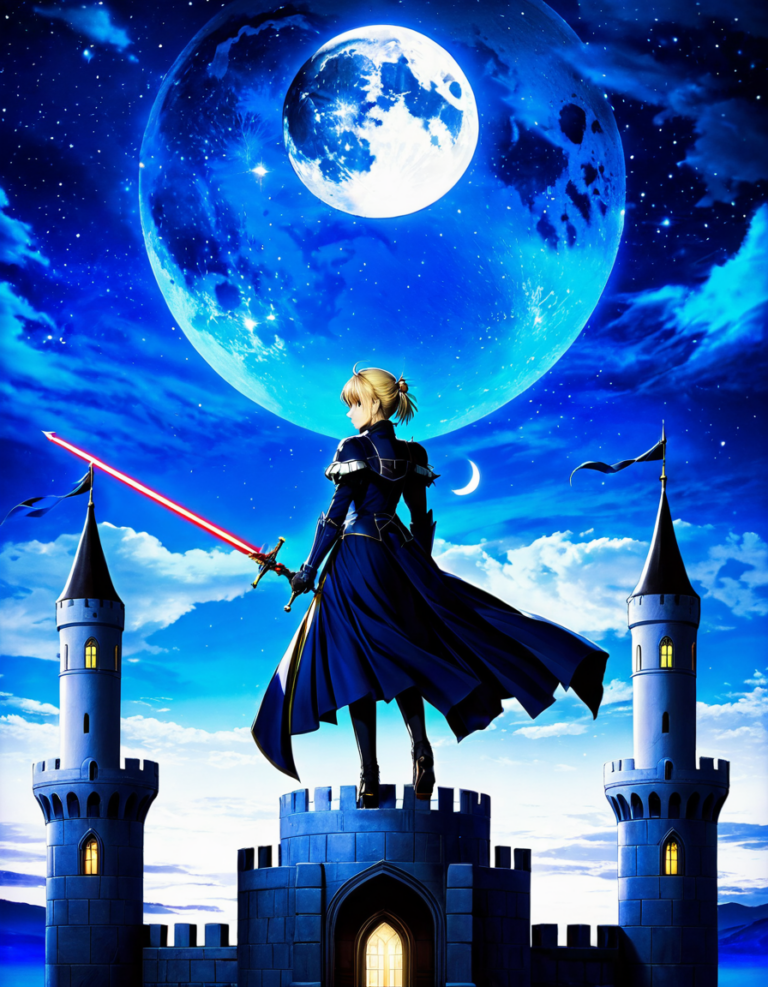
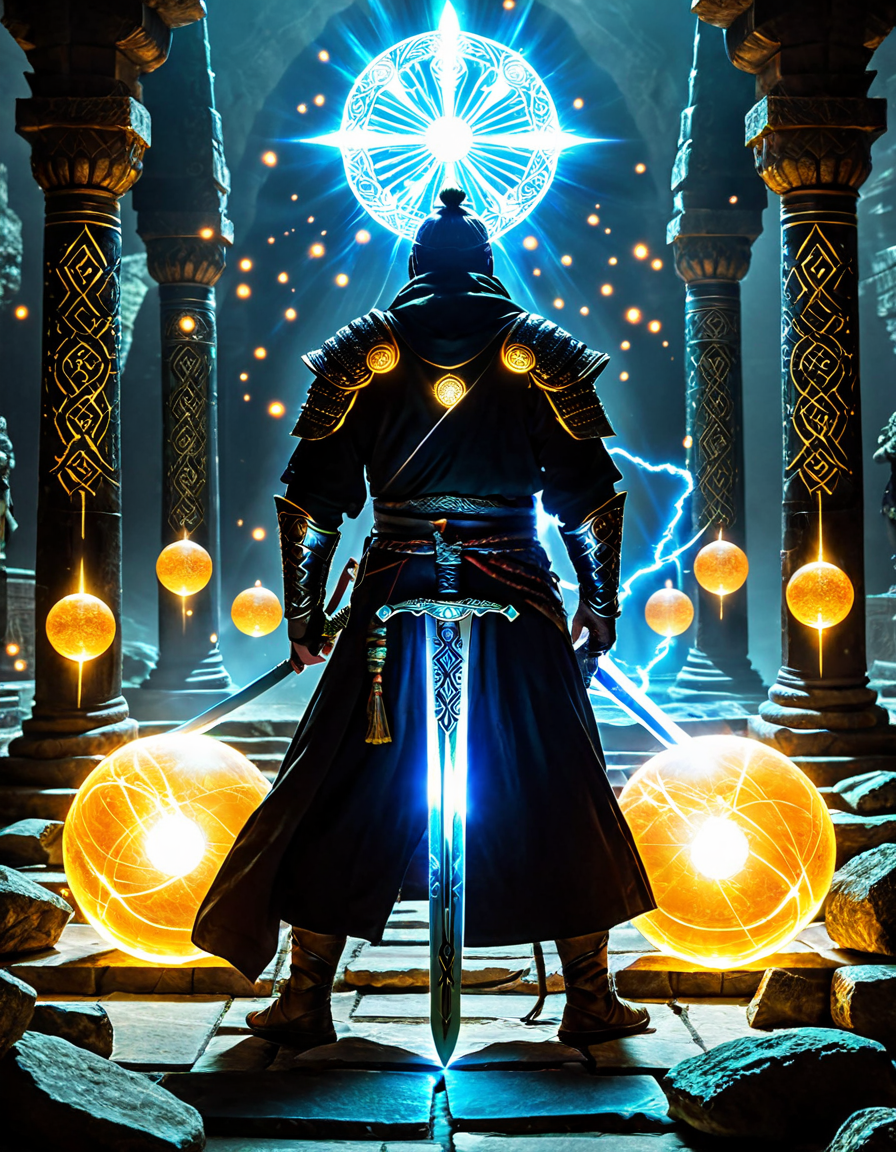
The world of animation and storytelling is replete with tales of the swordsman, an archetype representing strength, skill, and honor. For centuries, the art of sword fighting has been celebrated, capturing the imagination of fans in shows, films, and games alike. Mastering legendary skills and techniques has become essential for those who embody this spirit. Let’s delve into the diverse arsenal of techniques that have defined tired heroes and villains, setting the stage for iconic narratives in modern animation.
Unveiling Legendary Skills: The Swordsman’s Arsenal of Techniques
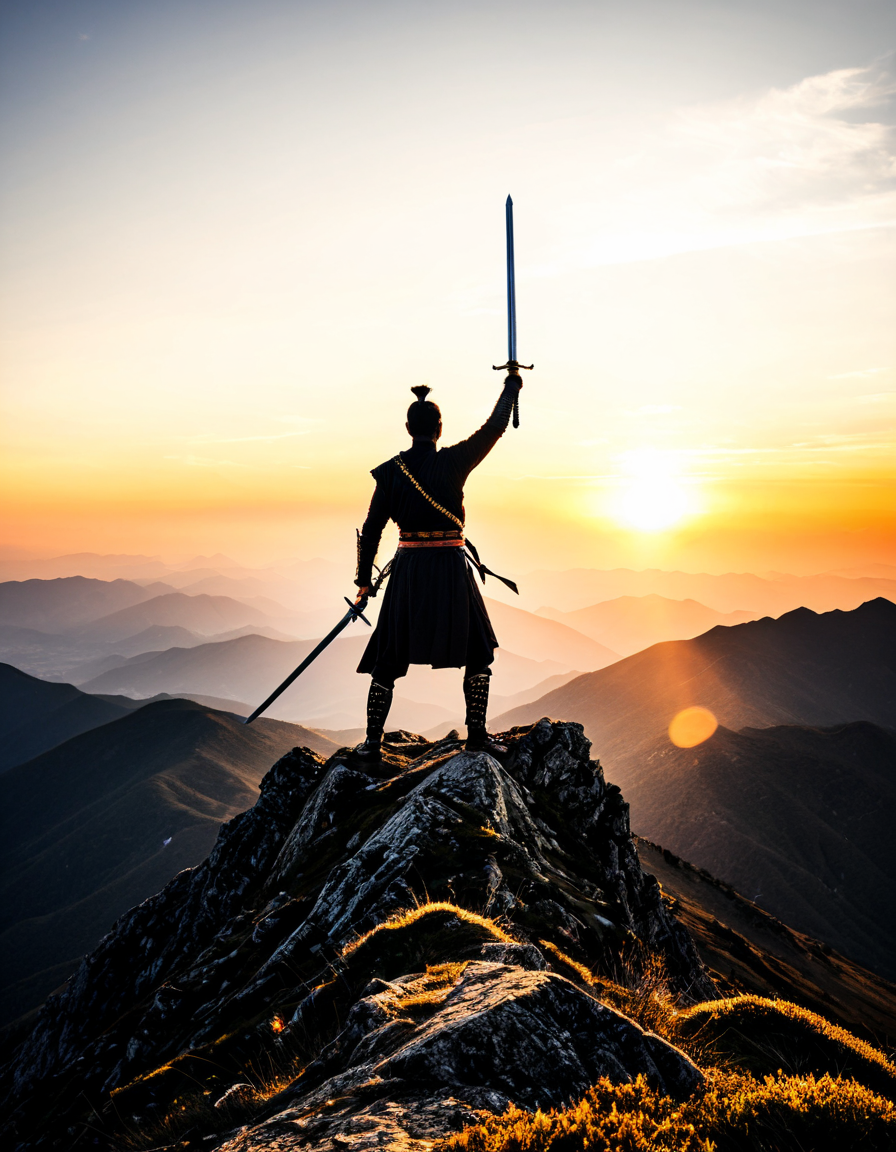
A swordsman’s journey is one of relentless training and dedication to mastering a wide range of techniques. Each legendary skill often reflects a philosophy about combat and the deeper meaning behind battles waged. From the swift elegance of traditional arts to the cunning strategies of stealth, these techniques shape the identity of the swordsman, making each one a unique blend of culture and character.
Examining the various techniques, we can see the distinct nuances in their execution. The interplay of history, character development, and fighting style breathes life into each encounter, revealing insights into the swordsman’s mental fortitude. These techniques aren’t just for effect; they tell a story and impact the course of a character’s journey. Like in Ghostbusters: Afterlife, where creativity meets tradition, the adaptation of swordsmanship reflects the duality of revering the past while also innovating for the future.

However, mastering a skill isn’t limited to mere physical prowess; it requires a deep understanding of strategy, mental discipline, and emotional resilience. As we explore the following legendary techniques, we’ll uncover their benefits and significance for the swordsman—shaping champions and forging legends.
Top 7 Legendary Techniques Every Swordsman Should Know
Swordsmen often strive for greatness by honing their skills in various techniques. Here’s a rundown of seven essential legendary techniques that every fighter should have on their radar:
1. Iai-jutsu: The Art of Drawing the Sword
This Japanese technique focuses on the quick and controlled drawing of the sword. In series such as Sword of the Stranger, we witness how the masterful execution of Iai-jutsu can determine the winner in a flash. The essence lies in split-second timing, showcasing a swordsman’s ability to react to any threat with precision.
2. Kendo: The Way of the Sword
Practiced worldwide, Kendo encapsulates the spirit of the samurai. Not just a physical endeavor, Kendo instills mental discipline, much like the character arc in The Last Summoner. Through this philosophy, swordsmen learn to balance aggression with self-control, which is vital for any fighter aspiring to greatness.
3. Ninjutsu: The Shadow Art
Unlike traditional swordsmanship, Ninjutsu embodies stealth and strategic deception. In Night of the Demon, we see how the techniques of Ninjutsu allow warriors to overcome raw strength with cunning tactics. This addition of unpredictability adds layers to swordsmanship, challenging conventions.
4. Kenjutsu: The Technique of the Sword
Kenjutsu represents a variety of styles, each with its unique focus on strikes, cuts, and stances. Sword of the Demon Hunter showcases Kenjutsu’s preservation of tradition while adapting to modern storytelling. This technique emphasizes respect for heritage, allowing contemporary swordsmen to connect with their roots.
5. Tactical Mastery: The Winged Dragon of Ra Technique
Strategic thinking is paramount for any swordsman. This technique revolves around predicting opponents’ movements and adapting accordingly. Mastery of strategy is akin to the gameplay in Yu-Gi-Oh with the Winged Dragon of Ra. A true swordsman knows that every choice on the battlefield impacts the outcome in profound ways.
6. Zhanmadao: The Chinese Broadsword Technique
Zhanmadao emphasizes powerful strikes, often ending confrontations quickly. In various manga adaptations, this technique has been pivotal, demonstrating how unique approaches can shift the tide of battle. The fluid motion and power behind Zhanmadao make it a vital skill for any swordsman looking to finish fights decisively.
7. Two-Sword Style: A Balance of Offense and Defense
Characters like Zoro from One Piece bring the Two-Sword Style to life. This technique embodies the perfect blend of attack and defense, allowing swordsmen to counter effectively while maintaining offensive pressure. The duality exhibited during intense duels in Sword of Night further captures the exhilarating nature of this fighting style.
The Journey of Mastery: Analyzing Key Characters
Throughout the landscape of anime and animation, the journey of the swordsman is often personified by compelling characters. Kenshin Himura from Rurouni Kenshin is a classic example who illustrates redemption through mastery of the sword. His dual journey emphasizes not only physical skill but also emotional strength and personal struggles, making him relatable to viewers.
Similarly, Guts from Berserk tells a different yet profound tale—one of survival against insurmountable odds. His resilience and growth showcase how the mastery of legendary skills can lead to ultimate strength, both in combat and spirit. These characters serve as reminders that the path to becoming a master swordsman is fraught with challenges, but the journey rewards the soul.
From understanding swordsmanship’s rich history to the timeless struggles depicted in contemporary classics, these stories inspire countless fans. They fuel an ongoing discussion about legacy and skill in the world of animation, underscoring the personal journeys each swordsman endures in their quest for mastery.
The Legacy of the Swordsman in Modern Animation
In today’s animated features, the representation of swordsmen marries historical influences with cultural philosophies and evolving techniques. Series like Demon Slayer seamlessly weave traditional sword techniques into modern storytelling, ensuring that the essence of swordsmanship is both respected and reimagined. You’ll notice how the techniques reflect authentic martial arts while revitalizing their narratives for a fresh audience.
The balance of old and new speaks volumes about the legacy of the swordsman. As popular narratives shape public perception, they emphasize both traditional martial prowess and advanced character development. These stories allow fans to engage fully and find inspiration for their journeys, echoing the real-life experiences of mastering their crafts—be it swordsmanship or anything else.
Additionally, iconic titles like Black Clover: Sword of the Wizard King push the boundaries of sword combat by infusing fantastical elements reminiscent of those seen in live-action films like Pete Salazar jr. Creators today recognize the inherent drama and emotion that swordsmanship evokes, ensuring that the core of these techniques remains impactful and relevant within contemporary settings.
The Future of Swordsmanship in Animation
As storytelling and technology continue to advance, the portrayal of swordsmanship will undoubtedly evolve. Upcoming series and films are bound to push boundaries, merging elements of fantasy with the art of sword fighting. This evolution mirrors the transformation seen in titles like Sword of the Stranger, where new narratives are crafted around age-old traditions.
Expect to witness deeper integrations of techniques that might blend martial arts with more fantastical or supernatural aspects. Such combinations will redefine expectations of what it means to be a swordsman—incorporating a wider range of abilities and styles that resonate with today’s audience.
The potential for future adaptations of sword techniques in animated tales invites fans to explore even more complex narratives. With innovation at the forefront, we’ll see character arcs intertwined with skill evolution that drives not just combat but comprehensive storytelling.
In conclusion, understanding ‘the swordsman’ and their mastery of legendary skills opens a window to rich narratives filled with history, emotional depth, and inspiration. Swordsmen serve as embodiments of strength and resilience, bridging the past and future through their combat artistry. As each character evolves, so do we as viewers, reflecting on our own journeys toward mastery in various aspects of life—a true testament to the power of storytelling in animation.
The Swordsman: Mastering Legendary Skills and Techniques
The Sword and Its Significance
Did you know that the origins of the sword can be traced back thousands of years, with its importance transcending cultures worldwide? For instance, in anime such as Black Clover, the protagonist uses the Sword of the Wizard King to navigate through intricate battles and showcase magical prowess. This fascinating piece of weaponry symbolizes not just strength but also a deep connection to one’s identity. The swordsman’s journey often intertwines with their blade, much like how myths in tales like Kill The Villainess explore the unique bond between warriors and their weapons.
Training and Techniques
When you think about becoming a master swordsman, what comes to mind? The training is often grueling and intense, requiring supreme dedication. Some practices resemble the scenes from Ghostbusters: Afterlife, where characters face challenges that test their mettle. Mastering techniques often involves rigorous drills, discipline, and sometimes a dash of luck! Just like the effort invested in transforming from zero to hero, the journey often leads to epic showdowns, using skills that have been passed down through generations and adapted for modern storytelling, like in The Witch.
Fun and Quirky Facts
It’s amusing how many swordsmen in various media often have quirky traits or backstories. For instance, many iconic characters embody this blend of humor and seriousness, a contrast beautifully portrayed in stories that follow archetypal heroes, much like how Ninja Thirsty shakes things up with its unique spin on the traditional hero’s arc. And, while we think about weight classification in sports, it’s interesting to note that many swordsmen train hard to maintain a specific weight, which translates to their strength—did you know 58 kg to lbs is about 127? This balance between physical prowess and technique showcases the swordsman’s commitment to their craft.
So, whether you’re diving into epic battles or dissecting character development on platforms such as Twitter, one thing’s for sure: the swordsman continues to capture our imaginations across cultures and mediums, much like the electric storytelling we find in various forms of animation.