The Wano Arc in One Piece has captured the hearts of anime fans around the globe. As we venture into 2026, Wano continues to impress with its rich storytelling, impressive world-building, and intriguing characters. This arc serves not only as a feast for the eyes but opens doors to cultural treasures and hidden narratives. Just think about it—who would have thought that a story about pirates could take us deep into the heart of Japanese folklore and history? The ongoing revelations in Wano keep fans on the edge of their seats and eager for the next twist in this captivating saga.
Top 7 Fascinating Aspects of Wano That Might Surprise You
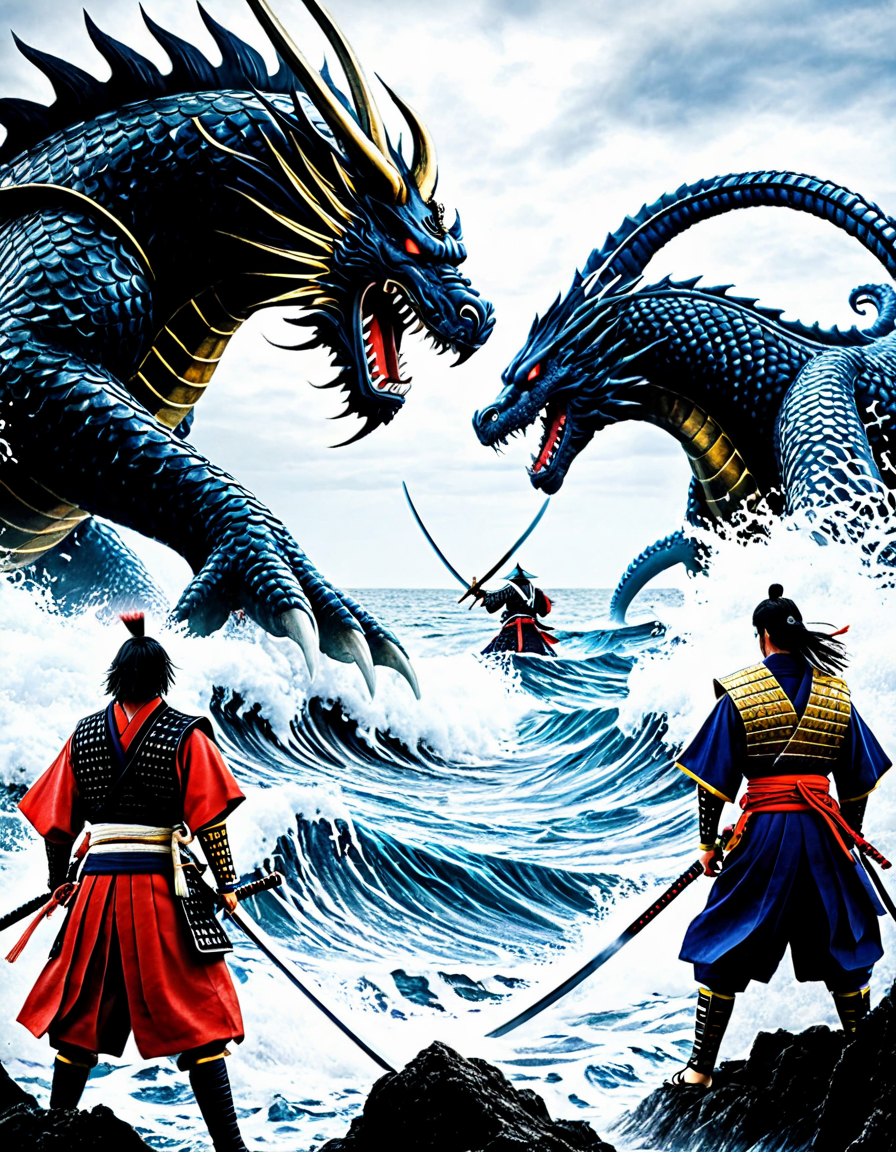
1. The Historical Significance of Wano’s Isolation
Wano’s isolation from the outside world is not just a plot device; it mirrors real-world Japan, particularly during the Edo period. This self-imposed exile allowed Wano to retain fascinating traditions and customs, creating a kind of living museum. Characters like Yasue beautifully illustrate this dynamic, revealing the struggles of holding onto tradition while grappling with the inevitable changes brought by external influences, particularly those represented by Luffy and his crew.
Wano paints a vivid picture of a culture that stands resilient against outside pressures, echoing themes of heritage and identity. As the Straw Hat crew interacts with the samurai, we see first-hand how tradition can coexist, and even thrive, alongside modernity—just like how Demon Slayer taps into its own cultural references to engage audiences deeply.
2. The Roaring Influence of Kaido and Oden
Kaido, often dubbed the “Strongest Creature in the World,” looms large over Wano, embodying the challenges faced by its people. However, it’s the fate of Kozuki Oden that really breathes life into the story. The brilliant contrast between Oden’s dreams of freedom and Kaido’s thirst for oppression creates an intense backdrop for ongoing conflict.
Understanding these rival ideologies makes viewers appreciate the complex power dynamics present in Wano. Oden’s tragic legacy inspires characters to rise against Kaido, and these unique character arcs serve as invaluable lessons on leadership versus tyranny—a theme that resonates widely, even beyond the One Piece universe.
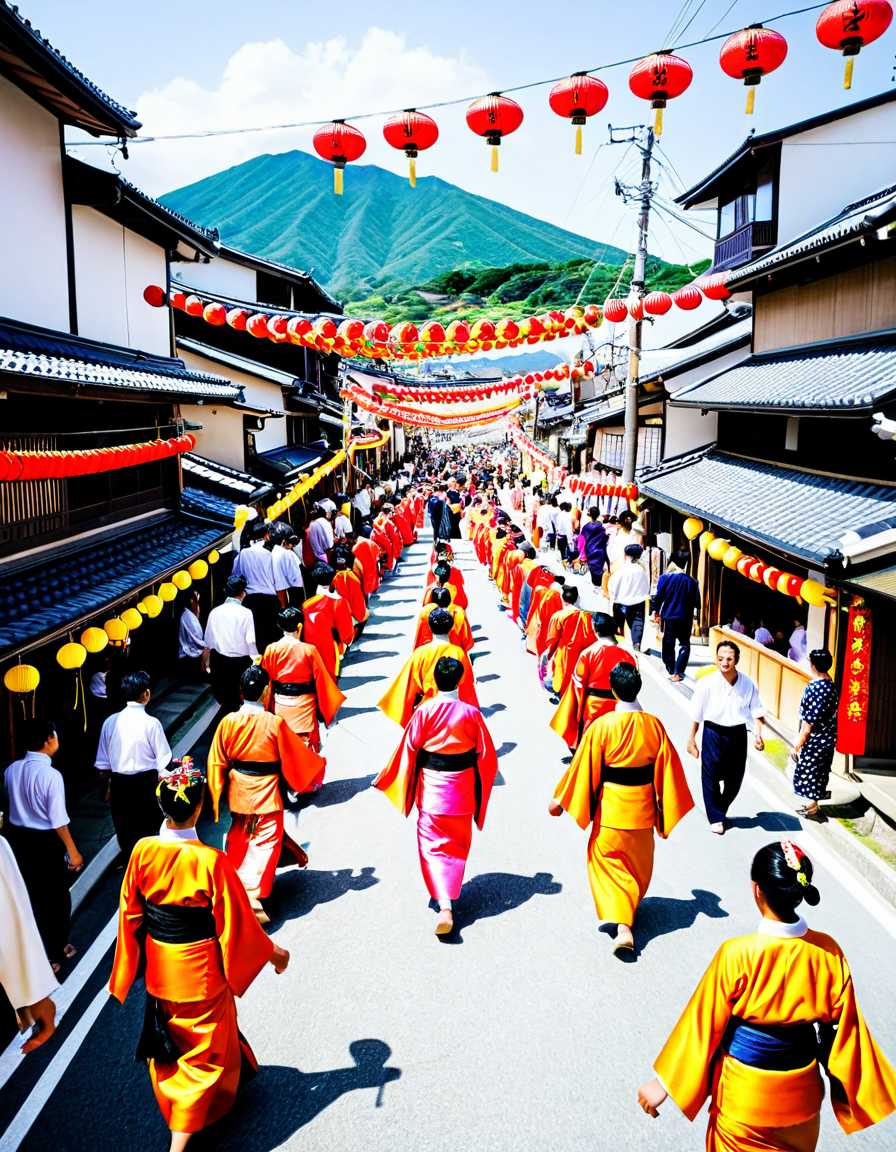
3. The Vegetable and Craftsmanship Economy
When talking about Wano, it’s impossible to overlook its vibrant economy, which thrives on its exceptional crafts and agriculture. From the famed “Wano Veggies” packed with remarkable properties to the masterful sword-smithing that yields legendary blades like Enma, Wano symbolizes the pinnacle of craftsmanship.
These elements aren’t just story fluff; they mirror Japan’s own sword-making traditions, which are revered worldwide. Fans can draw fascinating parallels between the craftsmanship depicted in the anime and real-life artisans, bringing even more depth to Wano’s narrative.
4. Cultural Symbols and Mythology
Wano is drenched in cultural symbols and mythology, creating a rich tapestry of storytelling. Its connection to traditional Japanese folklore, like the presence of mythical creatures such as kitsune and tengu, gives every episode more layers to explore.
For example, the “Akazaya Nine,” akin to the Nine Tails from folklore, enhances the arc’s mythological connection, building a bridge between old tales and modern anime storytelling. These nuanced references not only deepen the narrative but invite audiences to engage with Wano on a more emotional level, much like how Medaka might pull on history for its narrative grease.
5. The Impact of Technology vs. Traditional Living
Wano also dives into a fascinating conflict between tradition and modernization. The advanced technology introduced by the Rocks Pirates clashes sharply with the traditional lifestyle of its inhabitants, provoking thought on a global scale.
This theme tug at contemporary audiences, many of whom grapple with the implications of technological advancements conflicting with time-honored ways of life. Wano cleverly showcases how cultural preservation can coexist with innovation, making it highly relatable, especially in our fast-paced society.
6. The All-Star Cast of Characters
One of the standout elements of Wano is its diverse cast. From the stoic Samurai to the endlessly evolving Zoro, each character embodies compelling themes like sacrifice, freedom, and loyalty. Characters like Yamato illustrate the intricate relationships between individuals and their cultural legacies.
The depth of character development in Wano is unparalleled, and it shows how storytelling can transport audiences to diverse emotional landscapes. It’s this rich character tapestry that keeps fans glued to their screens, eagerly anticipating each new revelation.
7. Music and Performance in Wano
Finally, let’s not overlook music as a storytelling tool in Wano. The lively Oden Festival evokes the historical essence of Kabuki and Noh theatre, reminding audiences that the art of performance has always been a vital part of cultural expression.
These musical moments add an extra layer of enjoyment for fans, allowing them to appreciate the homage to traditional Japanese forms of entertainment. They can find deeper meanings within the arcs, just like fans dig into Emmy Rossum’s movies and TV shows for clues about her career.
With Wano standing tall as a monumental chapter in the One Piece saga, it serves as a canvas for rich storytelling, dynamic character arcs, and intriguing cultural insights. The adventure and discoveries that lie within signify that Wano is much more than just a backdrop—it’s a cultural phenomenon that enhances our understanding of identity, resilience, and the blend of the old with the new. As we look to the future, the legacy of Wano continues to inspire discussions among fans, ensuring its status as a timeless classic that will resonate through ages to come.
So let’s toast to Wano’s thrilling adventures and secrets that keep us coming back for more, because who wouldn’t want to dive deeper into a world filled with rich tales and unforgettable experiences?
Wano: Thrilling Adventures and Secrets of the Land
A Land Steeped in Mystique
Wano is not just a location; it’s a vibrant canvas painted with rich history and folklore. This land is heavily inspired by Japan, showcasing samurai culture, traditional customs, and ancient beliefs. Did you know that Wano’s concept draws parallels to real-world mythology? Like sorcerers in fiction, characters wield incredible powers that are reminiscent of terms like sorcerer definition, adding depth to the story. If you’re a fan of stories filled with mysterious figures and fantasy, Wano delivers in spades, giving every viewer an enticing glimpse into its history.
As viewers dive deeper into Wano, you’ll meet fantastic creatures as well. The Basalisk is a standout among them. This mythical creature, often depicted in folklore, symbolizes danger with a hint of beauty in its danger. Characters confronting these beasts work to overcome fear and embrace courage, serving as a core theme in the Wano saga. This notion of battling personal demons is not new to fans of anime; it strongly resonates in shows like “Demon Slayer, where the fight against adversity is beautifully encapsulated in various demon slayer wallpaper designs.
Cultural References and Inspirations
The aesthetics of Wano go beyond its characters; it’s a celebration of culture. For example, traditional Japanese theater elements can be seen in the performances of the characters, much like how Emmy Rossum tackles her roles in both Movies And TV Shows. Fans of Wano can appreciate the blend of old and new in storytelling, reminiscent of time-tested narratives that have kept audiences engaged for generations. You might even notice a nod to pop culture with figures like Meghan Trainor’s husband, who showcases what modern-day fame looks like, paralleling the rise of Wano’s characters in their epic journeys.
With all these enchanting tales, it’s also interesting to touch on the darker aspects of the narrative. In Wano, themes surrounding addiction and its impact on society are delicately woven into the storyline. The dialogue about substances, like what one may learn from a study on can alcohol and its effects, shed light on emotional struggles faced by characters. In capturing the essence of good versus evil, Wano effectively paves the way for discussions that are both relevant and relatable.
As you journey through the vibrant lands of Wano, trivia like these help paint a fuller picture, enriching your viewing experience with layers of meaning that go beyond mere entertainment. Whether it’s through battles, traditional performances, or emotional struggles, Wano’s storytelling reminds us that adventure isn’t just about the thrill—it’s also about understanding ourselves.