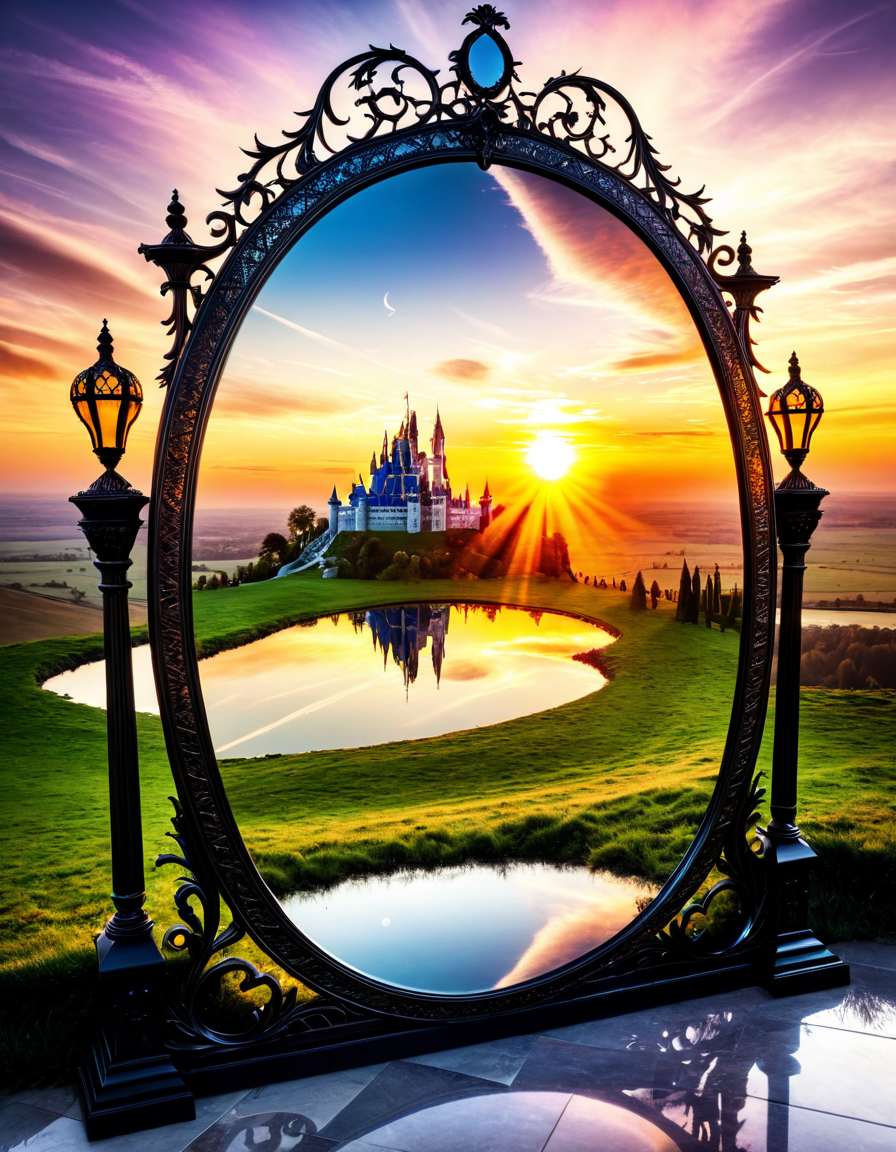
The concept of the magic mirror has been around for centuries, enchanting audiences from folklore to modern animation. Gazing into a magic mirror symbolizes not just self-discovery, but also the journey toward understanding the truths that lie within us. Today, let’s dive into the seven captivating secrets of magic mirrors that have stirred our imaginations, shaping cultural narratives across history.
1. The History Behind Magic Mirrors: From Myth to Animation
Magic mirrors appear in many cultures, serving as instruments of prophecy or portals to other worlds. In ancient Chinese folklore, mirrors were believed to reflect the soul and reveal hidden truths. Fast forward to Disney’s “Snow White,” where the iconic magic mirror delivers brutal honesty to the Evil Queen. This portrayal set a precedent in animated storytelling, establishing mirrors as both advisers and traps, much like the dual nature of magic itself.
Throughout history, the magic mirror motif unveils deeper questions about vanity, self-worth, and introspection. The image of the mirror as a mystical object compels viewers and readers to confront their identities. One can’t help but notice parallels to modern films, like The , which also challenge perceptions of reality with similar themes.
2. Magic Mirrors in Modern Anime: “Black Clover” and Beyond
Diving into contemporary anime, Black Clover stands out for its creative use of magic mirrors. These portals play crucial roles in character development, showcasing internal struggles faced by heroes like Asta and Yuno. As Asta pursues his dream of becoming the Wizard King, his encounters with magic mirrors force him to confront his ambitions and fears, making the narrative both relatable and captivating.
In this series, the mirrors symbolize more than just magical artifacts; they represent the characters’ trials and tribulations, reflecting their inner growth. As Asta battles against insurmountable odds, the mirrors provide clarity and guidance—allowing him to face his truths and rise above. The ability of the magic mirror to reflect internal struggles aligns perfectly with themes explored in other popular anime, enhancing the viewer’s investment in each character’s journey.
3. The Impacts of Magic Mirrors on Character Design: Lessons from “Straw Hat Pirates”
In One Piece, the adventures of the Straw Hat Pirates introduce various magic mirrors that lead to unpredictable outcomes. Each mirror encounter provides pivotal moments, shaping both quests and friendships within the crew. This mirrors not only literal pathways but also the metaphorical choices they face, impacting personal growth and moral decisions.
The mirrors act as catalysts for significance in the narrative—each reflecting lessons learned the hard way. From Luffy’s unwavering resolve to Zoro’s loyalty, they navigate a sea of self-discovery through these magical portals. By juxtaposing brave choices with the reflective nature of the mirrors, the audience witnesses the transformation of the crew in ways both entertaining and thought-provoking.
4. Cultural Insights: Magic Mirrors in “Wolf Children”
The acclaimed film Wolf Children masterfully weaves imagery of mirrors into its exploration of identity and acceptance. Hana, the mother, uses reflections to look back on her past choices and the life she carved out for her children. The use of the magic mirror in this film emphasizes the tension between being human and embracing one’s underlying nature.
The duality of the children’s identities—half-human and half-wolf—mirrored in their experiences, challenges viewers to reflect on societal norms about belonging. As they navigate their unique worlds, the mirrors show us how one’s perspective shapes personal identity. This showcases the film’s power in highlighting the complexity of our realities, making the mirror an apt symbol of self-confrontation.
5. The Role of Magic Mirrors in Fantasy Worlds: Comparison with Live-Action Films
When it comes to live-action adaptations, the portrayal of magic mirrors often takes on a new dimension. Films like Alice in Wonderland and Pan’s Labyrinth use mirrors to explore fantasy realms while also digging deep into complex themes of escapism versus reality. These mirrors serve as gateways to fantastical outcomes, providing a rich backdrop for both dazzling visuals and meaningful narratives.
Contrasting animated features, live-action films frequently establish mirrors as metaphors for societal critique. For instance, they ask audiences to ponder the cost of escapism—how much of our identity gets lost in fantasy? This dual exploration illuminates the varied significance of the magic mirror across different mediums, inviting viewers to reflect on their realms of reality.
6. The Influence of Technology on Perceptions of Magic Mirrors
Fast forward to today, technology has begun to reshape the magic mirror experience. With innovations in augmented reality (AR) and virtual reality (VR), we can create personalized magical experiences. From mobile applications to interactive games, modern advancements offer immersive storytelling, echoing the enchanting tales of old.
For instance, AR mirrors can allow users to try on digital fantasy outfits or explore magical landscapes, making the concept of a magic mirror more accessible than ever. This blend of storytelling with technology not only captivates modern audiences but also pays homage to ancient themes of reflection and self-discovery.
7. Magic Mirrors as a Reflection of Society’s Values
Finally, magic mirrors often act as social commentaries, satirizing vanity, obsession, or self-acceptance. In modern narratives, these mirrors effectively symbolize deeper societal values, such as the importance of introspection and authenticity. As filmmakers grapple with issues of identity and morality, the magic mirror becomes a potent artifact for storytelling.
For example, stories like The Foolish angel Dances With The Devil delve into vanity, revealing how a character’s perception of beauty impacts their choices and relationships. The magic mirror reflects not just images, but the core of our society’s evolving values and morals—making it a timeless symbol in our collective storytelling tradition.
In unraveling the mysteries of the magic mirror, we find a wealth of narratives that resonate across cultures and generations. These enchanting artifacts are not merely tools of magic; they serve as profound reflections of humanity. So, the next time you gaze into the glimmering surface of a mirror, remember—the secrets it holds can lead to thrilling adventures and insights just waiting to captivate your imagination!
Magic Mirror Mysteries: Fascinating Facts and Trivia
The Alluring Charm of Magic Mirrors
Magic mirrors have long captivated our imaginations, appearing in folklore and fairy tales like Snow White, where the mirror famously speaks. But did you know that the intriguing concept isn’t just a fairy tale trope? The legendary Zoltan Hargitay once explored the mystical properties attributed to mirrors, leading to fascinating discussions about their symbolic meaning in different cultures. Some believe that looking into a mirror can offer glimpses of the future or provide insights into one’s true self. Just like the eerie themes found in the Twilight Zone, mirrors often serve as a portal into a world that defies everyday logic and reason.
Whispers of the Past
The fascination with magic mirrors extends beyond Hollywood fantasies into real life too. Legend has it that these mirrors were sometimes utilized in seances, as mediums would attempt to contact the spirit world. In The Twilight Zone, there was a famous episode featuring a mirror that draws its viewers into a bizarre alternate reality, captivating audiences. This theme of alternate dimensions can be directly tied to other stories, such as the riveting tale of Spice and Wolf, where magic and business intertwine, leading to unexpected adventures for the merchant. It’s this blend of the ordinary with the extraordinary that really ignites our imaginations!
The Intersection of Magic and Reality
It’s surprising to learn about the various interpretations of magic mirrors in pop culture. For instance, there’s a lesser-known fascination with such mirrors in the universe of Dragon Ball, as fans of the Dragon Ball Z manga might recall moments where characters reflect on their journeys. Meanwhile, a quirky live-action adaptation, Dragon Ball live Action, tried to capture the essence of these mystical elements, albeit with mixed reactions from devoted fans. Magic mirrors often serve as a metaphor for self-reflection, leading us to evaluate our choices and paths, much like how Jerry Seinfeld contemplated life in his sitcoms, humorously showcasing the complexities we all face.
So, the next time you gaze into a magic mirror—whether in fairy tales or films—remember there’s a vast tapestry of culture, belief, and myth woven into its history. These captivating reflections tell more than just your image; they reveal layers of stories that spark curiosity and wonder in all who dare to look.