If you’re an animation buff or an anime enthusiast, you’ve probably encountered Appleseed 2004 at least once. This stunning film checks all the boxes when it comes to captivating storytelling and jaw-dropping visuals. With its blend of CGI and traditional animation, Appleseed 2004 doesn’t just entertain; it revolutionizes the way we think about animation in cinema. Through a captivating narrative and a futuristic aesthetic, the film transports us to a world filled with philosophical questions and complex character relationships. So buckle up, because we’re diving deep into what makes Appleseed 2004 a timeless classic.
The Visual Mastery of Appleseed 2004
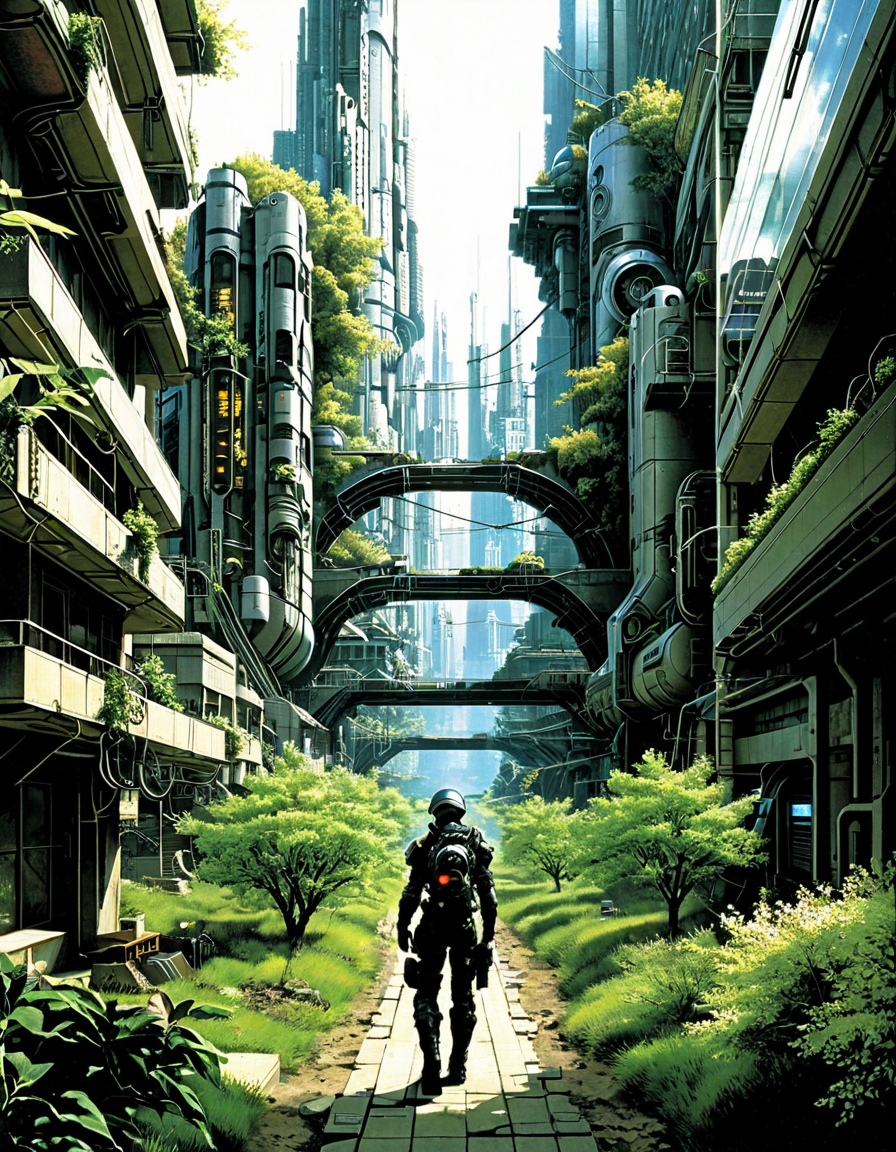
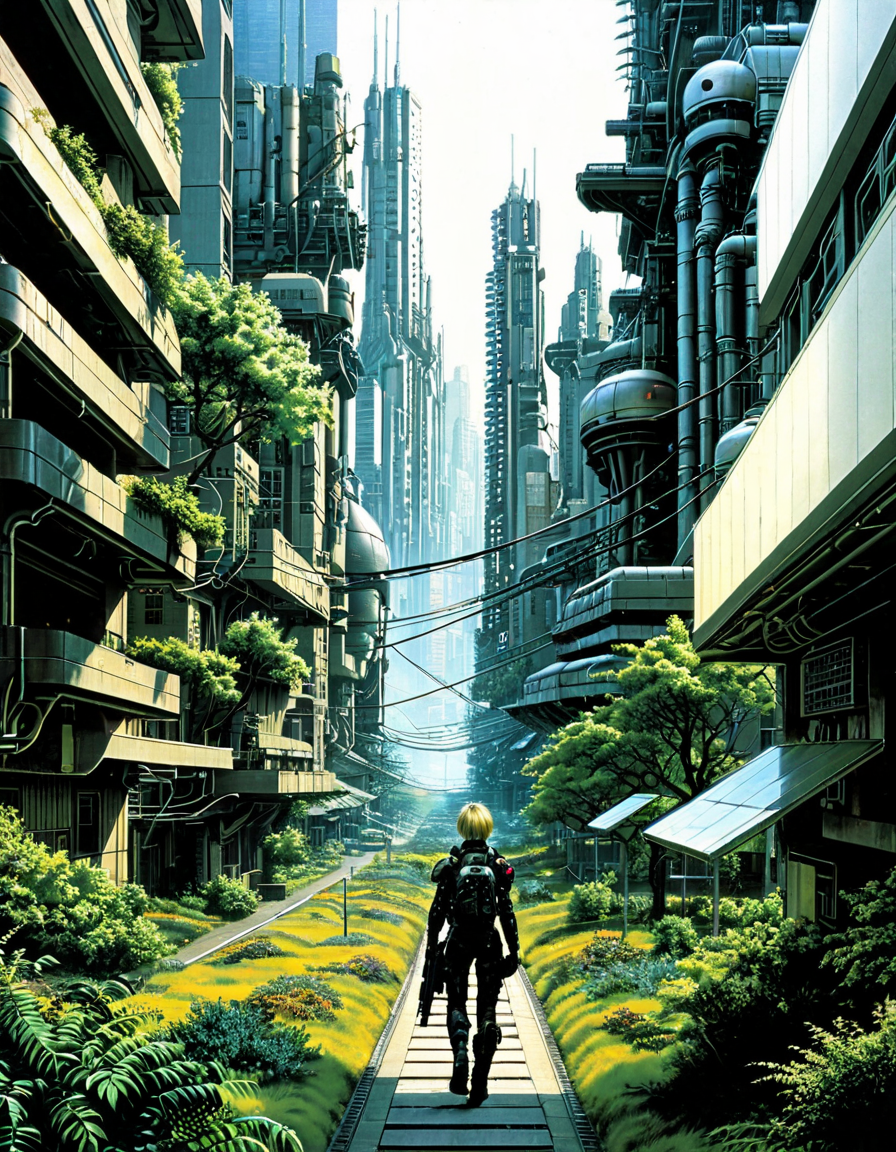
Right off the bat, Appleseed 2004 mesmerizes viewers with its groundbreaking animation style. Crafted under the skilled direction of Shinji Aramaki, the film combines CGI and traditional 2D art, showcasing an intricate dystopian world. This isn’t just eye candy; it’s a window into the future of animation. The bustling cityscapes, filled with towering buildings and detailed character movements, reflect an impressive attention to detail.
Every frame feels like a work of art. The vibrant colors and layering techniques invite you to immerse yourself in this technological wonderland. It’s hard to believe this film was released back in 2004 because its visuals still stand tall against many contemporary offerings—an impressive feat. Aramaki’s innovative techniques opened the doors for future animated films, paving the way for more complex storytelling through visual mediums.
5 Elements That Make Appleseed 2004 a Timeless Classic
At the heart of Appleseed 2004 lies a rich tapestry of characters that go beyond mere archetypes. Protagonists like Deunan Knute and Briareos Hecatonchires navigate a world inextricably linked to themes of identity and love. Their dynamic relationship raises critical questions about the essence of being human, especially in a society where artificial intelligence plays a substantial role. Isn’t it cool how this film challenges viewers to reflect on human-machine interactions?
Appleseed 2004 doesn’t shy away from delving into heavy philosophical questions. Inspired by Shinjiro Tomita’s original manga, it prompts us to think about what it means to be human in a world increasingly influenced by technology. The moral dilemmas faced by the characters resonate with today’s society where we grapple with the implications of emerging technologies. This film serves as more than entertainment; it’s a commentary on the future we’re all facing.
You can’t talk about Appleseed 2004 without mentioning its stellar soundtrack. Composed by the iconic duo Vangelis and Yoshitaka Azuma, the music elevates every emotional nuance in the film. Coupled with art direction that draws inspiration from Masamune Shirow’s original designs, the film offers a feast for both the eyes and ears. The synergy between its audio and visual elements helps draw viewers into its complex narrative, making each viewing an immersive experience.
The impact Appleseed 2004 has made is nothing short of revolutionary. It laid the groundwork for a wave of animated films and series that came later. Think about other great works in the cyberpunk genre, like “Ghost in the Shell: Stand Alone Complex,” which share visual and thematic elements inspired by this groundbreaking film. Appleseed 2004 set a new benchmark for quality storytelling within animation, raising the bar for what audiences can expect.
As an adaptation of a beloved manga series, Appleseed 2004 has significantly contributed to the rise of its source material. It’s become a cultural touchstone, sparking discussions among fans everywhere. From conventions to merchandise, the film’s impact extends far beyond the screen. Its themes resonate with a multitude of audiences, creating lasting discussions about technology and morality that continue to be relevant.
The Future of Appleseed: Where It Fits in Modern Media
As we gaze toward the future, the potential for revisiting Appleseed’s narrative intrigues many fans. With rapid advancements in animation technology, the scope for new adaptations or sequels remains vast. The moral complexities showcased in the film lend themselves well to further exploration, especially considering our society’s swift technological progress. Could we see new interpretations or expansions on the original story that address even more contemporary issues?
Revisiting Appleseed 2004: A Timely Reminder of Animation’s Potential
In summary, Appleseed 2004 stands as a cinematic treasure, showcasing the incredible potential of animated storytelling. Its breathtaking visuals combined with deep philosophical themes not only captivate audiences but challenge them to confront significant societal issues. As we explore new avenues in animated narratives, revisiting Appleseed makes us crave deeper stories that blend emotional depth with stunning artistry. This film isn’t just a nostalgic trip down memory lane—it’s a blueprint for the future of animated storytelling in cinema.
Now, whether you’re searching for your next favorite film on a cozy night in or want to explore Manga online free, Appleseed 2004 serves as a reminder of the art form’s limitless potential and its capacity to inspire.
Fun Trivia and Interesting Facts about Appleseed 2004
The Animation Wizards Behind Appleseed 2004
Did you know that Appleseed 2004 was one of the pioneering films that successfully blended CGI with traditional animation? It pushed boundaries in visual storytelling, much like how God Knows Only broke new ground in narrative style. The creators were keen on making the characters feel lifelike while maintaining a distinct anime aesthetic, resulting in vibrant visuals that still captivate today. Interestingly, the film’s unique art style can be somewhat compared to how balloon Animals twist and turn, offering endless creative possibilities while maintaining a playful spirit.
A Love Story at its Core
At its heart, Appleseed 2004 is not just about stunning visuals; it’s also a poignant love story. It beautifully interlaces themes of romance and war, similar to the enchanting plots you might find in Lovestruck Books. The characters, especially Deunan and Briareos, face challenges that reflect on the fragility of human relationships in a chaotic world. Moreover, the film’s exploration of human emotions resonates deeply, evoking feelings much like a good novel can stir up. It’s fascinating how Appleseed 2004 dives deep into character development amidst the backdrop of futuristic warfare, making it a standout piece.
Beneath the Surface
As we dig deeper into Appleseed 2004, it’s clear that the narrative tackles big questions about identity and humanity. Much like how the internet culture today often navigates controversial topics like Creepshot, the film delves into the ethical implications of cyborgs and evolution. Furthermore, viewers might be surprised to learn that the film was inspired by the works of Masamune Shirow, a brilliant mind whose influence can be felt across many anime legends. Adding to that, the film’s thematic content paralleled cultural reflections, including ideas similar to All For One And One.
Cultural Impact and More
Finally, let’s not forget the impact Appleseed 2004 had on the anime landscape. It introduced many audiences to more serious blends of sci-fi and drama in animation. With reference points drawn from unique cultural settings and character designs, it drew inspiration from various influences that shaped it, much like Bellota influences stories across genres. Even the characters exhibited styles that had fans sporting the trendy pencil mustache, reminding us of the time when every detail mattered in character design. In retrospect, Appleseed 2004 is not just a film; it’s a pivotal moment in the evolution of anime storytelling.