The insomniacs after school anime series, “Insomniacs After School,” dives headfirst into the growing phenomenon of sleep deprivation experienced by today’s youth. It brilliantly captures the struggles faced by students who juggle their academic dreams, pressing expectations, and a sleepless existence. With characters that resonate deeply and narratives that provoke thought, this anime has rooted itself into the hearts of many viewers, shedding light on issues that resonate beyond the screen. Join me as we embark on a journey through the layers of this captivating series that playfully examines the many facets of insomnia and its impact on young minds.
Top 5 Themes in Insomniacs After School Anime: The Struggle of Sleep Deprivation
1. The Burden of Expectations
At its core, “Insomniacs After School” explores the immense pressure faced by students today. Ganta and Isaki, the protagonists, exemplify the struggle to balance academic demands and personal goals. Their frantic lives create anxiety-riddled nights that leave them tossing and turning, unable to escape from their thoughts. This tension reflects the very real experiences of many viewers, who often find themselves in similar binds. As they navigate trials and expectations, the exploration of these burdens gets to the heart of what so many young people endure today.
2. The Companionship in Insomnia
In the darkest hours of the night, surprising connections bloom. Through their late-night chats, Ganta and Isaki showcase a blossoming friendship, becoming each other’s pillars during sleepless episodes. The series emphasizes how such shared experiences can combat loneliness—reminding us that some of the strongest bonds emerge from shared hardships. It offers a touching reflection on the importance of friendships and connection, even when life is filled with challenges.
3. Escaping Reality Through Dreams
Dream sequences are visual masterpieces within the narrative. They allow characters to delve into their subconscious, revealing fears and desires that otherwise remain hidden. Exploring their dreamscapes not only adds intrigue but invites the audience to reflect on their meanings in relation to unresolved issues. Just like in the anime “My Dress-Up Darling,” where dreams merge creativity and reality seamlessly, these dreamy interludes invite viewers to ponder their own journeys and aspirations.
4. Coping Mechanisms for Stress
One of the refreshing aspects of “Insomniacs After School” is its portrayal of coping strategies used by the characters. They explore creative outlets, such as art and journaling, which serve as healthy escapes from their exhausting lives. By emphasizing mental health awareness, the anime encourages an authentic dialogue around stress and the importance of finding healthy ways to cope. As viewers, we can glean inspiration to adopt similar practices ourselves for our well-being.
5. The Environmental Impact on Well-Being
The anime seriously critiques the overwhelming nature of the school environment. Sleepless students are depicted in cramped dorms, a stark reminder of the systemic issues within our educational systems. This portrayal highlights how societal expectations can weigh heavily on students, creating a cycle of anxiety and fatigue. By focusing light on these pressing matters, “Insomniacs After School” encourages audiences to think about broader changes needed in today’s academic settings.

Insomniacs After School Manga: A Narrative Exploration
To truly appreciate the insomniacs after school manga, we must journey back to its origins. The original manga, crafted by Sunao Yoshida, lays the groundwork for the anime by digging deeper into character motivations and their emotional terrain. This added context serves as a vital lens for understanding the struggles that Ganta and Isaki navigate.
Character Development in the Manga
The manga offers rich backstories and flashbacks that might not fully translate onto the screen. Ganta’s complex family dynamics and the weight of expectations are explored in greater depth, adding layers to his emotional struggles. This amplified characterization enables readers to truly connect and empathize with Ganta’s journey and resilience through sleepless nights.
Artistic Style and Its Impact
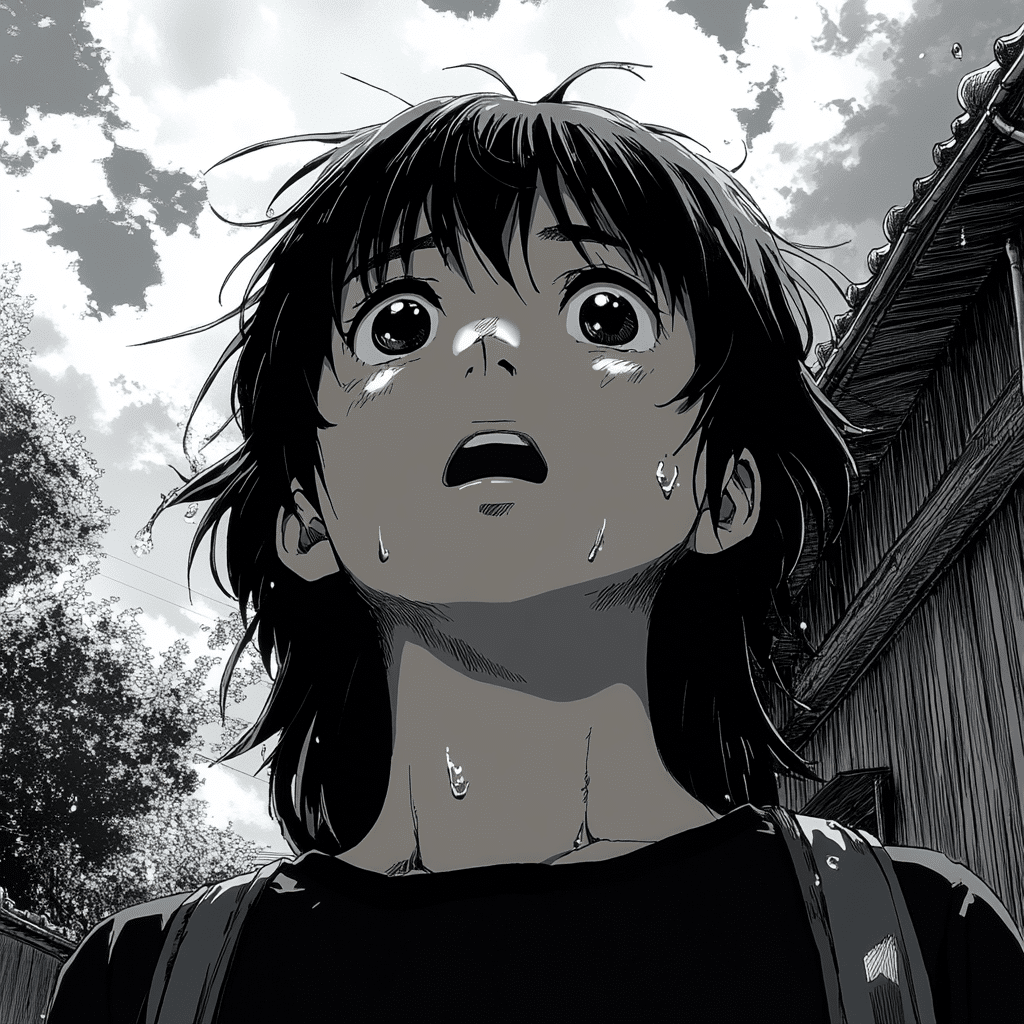
The visual style of the manga helps bring its themes to life. The delicate linework and subdued color choices reflect the somber reality of isolation and longing that accompanies sleeplessness. These artistic decisions amplify emotional beats and create a bond between the characters and the readers. By immersively capturing these feelings, the manga heightens the overall impact of the narrative.
Bridging the Gap Between Anime and Reality
“Insomniacs After School” provides a mirror reflecting an all-too-familiar reality for many students today. As pressures mount and academic burdens increase, the struggles portrayed aren’t just fictional but are real-life challenges faced by the 21st-century youth.
The series serves as a social commentary on mental health discussions, emphasizing the importance of open conversations about anxiety and sleep deprivation. It motivates viewers to engage with these themes and promotes understanding as they navigate their own experiences; just like how “Yu-Gi-Oh” encourages friendship through card battles amidst personal conflicts.
Finding Resolution Amidst Chaos
Amid the chaos of academic demands, “Insomniacs After School” is more than a tale about sleepless nights; it explores the beauty of human connections. Ganta and Isaki teach us that vulnerability and resilience are critical to overcoming darkness. Their shared experiences reveal that, while insomnia poses numerous challenges, it is in those bonds formed through struggle that we often find strength and solace.
As we forge ahead into an uncertain future, the relevance of insomniacs after school anime remains strong in the conversation surrounding youth mental health. By motivating dialogues about sleep deprivation and the pressures students face, the anime serves as a vital tool for breaking down stigmas. Ultimately, it inspires hope, teaching us the significance of community, empathy, and shared experiences in an increasingly demanding world. Whether you’re binge-watching the series or diving into the manga, you’re sure to emerge with a greater understanding of the weight carried by many students today.
Insomniacs After School Anime: Fun Trivia and Interesting Facts
The World of Characters and Inspiration
When diving into the insomniacs after school anime, we can’t help but notice how character design often draws from diverse inspirations. Take “My Dress-Up Darling” for instance. The My dress up darling Manga offers a glimpse into how passion and creativity can bring unique characters to life. This shows how anime isn’t just for entertainment; it reflects real aspects of life, like hobbies and relationships. It’s like piecing together a puzzle, similar to the intricate designs of a bearcat vehicle that stands out among its peers.
Quirky Relatable Moments
Among all the dramas and heartfelt moments in insomniacs after school anime, some scenarios resonate on a personal level. Who hasn’t dealt with an unruly pet? The dog Peed on My bed scenario feels like it could slide right into an episode, showcasing how life can throw curveballs at the worst moments. These moments blend humor with everyday struggles, making the characters feel more relatable and engaging, which keeps fans coming back for more, just like how we enjoy checking the latest Mha popularity poll.
Uncovering Hidden Gems
In the insomniacs after school anime universe, it’s also fascinating to explore narrative patterns that echo popular culture. For example, the iconic phrase Y U No has transcended typical Anime dialogues, creating a whimsical connection for fans. Meanwhile, references to beloved franchises like “Yu-Gi-Oh” keep the nostalgia flowing, captivating both older and newer audiences alike. It’s like each series offers a treasure hunt for those keen on discovering subtleties that bridge connections across different fandoms.
The Impact of Pop Culture on Themes
Anime often reflects societal challenges, which is especially true for the insomniacs after school genre. Exploring these themes resonates with viewers, including issues like personal growth and struggles with sleep. It’s intriguing to see how characters overcome their very own “insomniac” moments, almost akin to what some real-life personalities face, like Emma Stone, who balances a successful career and family life—just think of her journey as an Emma Stone daughter figure. These narratives reinforce important life lessons, ultimately deepening the viewers’ connection to the stories.
In conclusion, the insomniacs after school anime genre delivers more than just entertainment—it expands our understanding of character, relatability, and cultural references that speak to a diverse audience. Exploring these layers adds richness to the viewing experience, offering fun and engaging moments that invite fans to immerse themselves in a world that feels all too familiar.