Seppuku, a ceremonial act from feudal Japan, vividly illustrates the clash between life and death while exemplifying honor and valor. This practice, often shrouded in mystery, goes beyond mere suicide; it embodies the core philosophy of Bushido—the warrior’s way. Seppuku is more than a dramatic choice made in desperation. It echoes through history and resonates powerfully in today’s narratives, especially within the anime landscape, where themes of integrity are both celebrated and challenged. One fascinating character that stands out in this exploration is Makima from Chainsaw Man. Let’s dive into the significance of seppuku—its historical roots, how it shapes modern characters, and what it teaches us about honor today.
7 Key Aspects of Seppuku That Reflect Honor and Valor
1. Historical Context of Seppuku
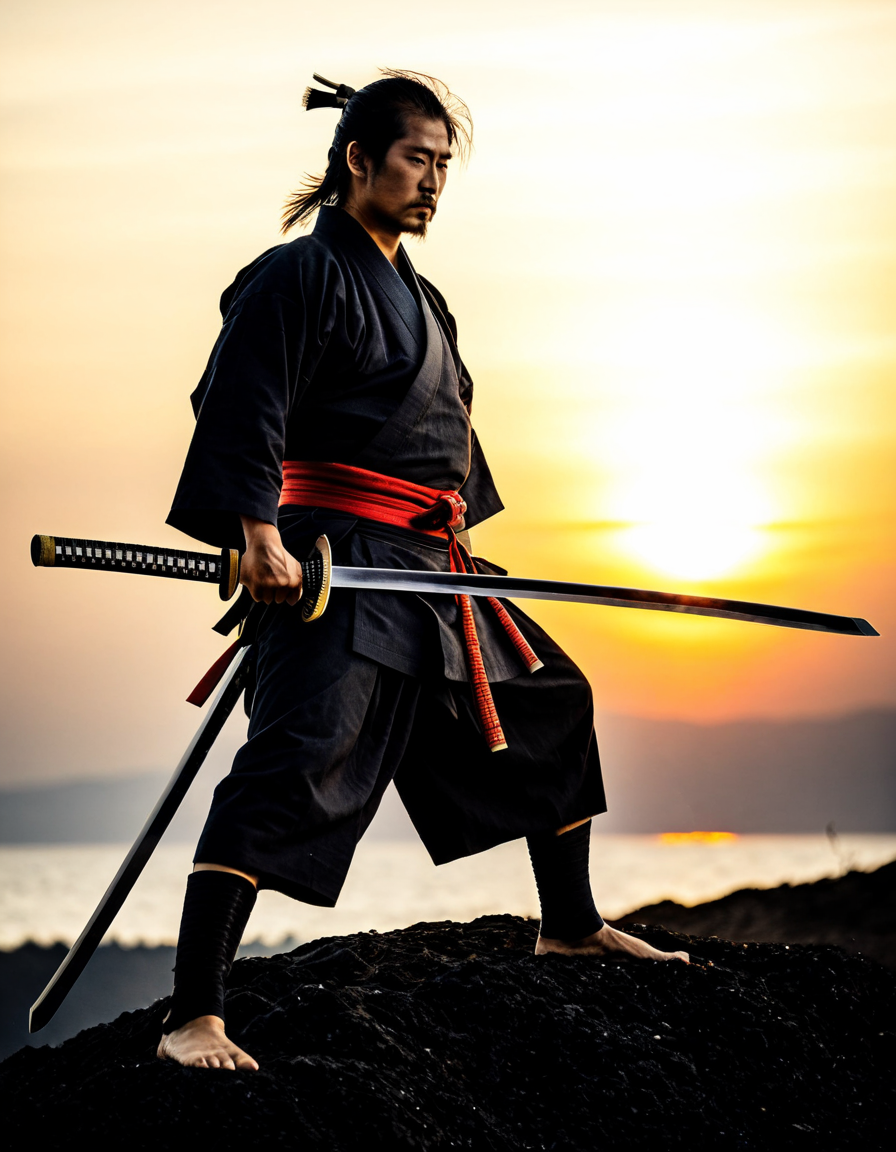
Dating back to the 12th century, seppuku was primarily reserved for samurai, representing their commitment to loyalty and honor. When a samurai faced shame or defeat, the option of seppuku was more than a way out; it was a powerful statement of integrity. By understanding its origins, we see how deeply rooted honor influenced the social fabric of samurai culture. Imagine living in a time where your reputation determined your life and death!
In times of war or political turmoil, seppuku became a method of redemption, especially after failed missions. Notably, it conveyed a profound adherence to the funds of loyalty—by committing seppuku, a samurai demonstrated unwavering fidelity to their lord. It’s that idea of sacrifice for a greater cause that resonates, isn’t it?
2. The Ritual Process: A Step-by-step Overview
Seppuku is as much about ritual and ceremony as it is about the act itself. The process typically involved detailed preparations, beginning with donning ceremonial attire. The samurai would assemble in a tranquil location, perhaps under the cherry blossoms, to reflect on their impending fate.
Next, the primary actor would use a tanto (a small blade) to perform the act. But here’s where it gets intense—a kaishakunin, often a close friend or ally, would be on hand to deliver a swift, honorable death by decapitation. This component provided a sense of dignity to what is traditionally seen as a gruesome act. The artistry of this ritual truly exemplifies the connection between body and spirit.
3. Seppuku in Popular Culture: Makima and the Concept of Honor
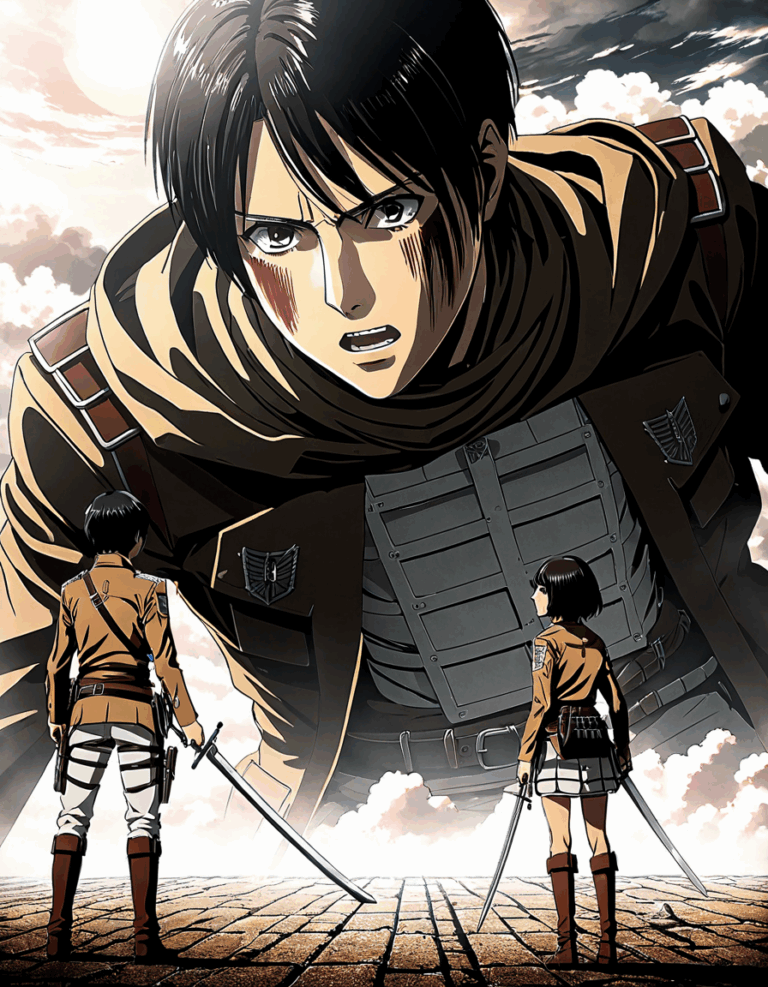
One character who has turned the notion of seppuku on its head is Makima from Chainsaw Man. In many ways, Makima represents a modern reinterpretation of the values traditionally associated with honor. While seppuku symbolizes a noble choice in historical contexts, Makima manipulates others and engages in power plays that challenge these sacred ideals.
Her character raises questions: What does honor mean in a world driven by deception and personal gain? As we watch her navigate the dark corners of her universe, it becomes clear that honor isn’t always linked to heroic sacrifice. Therein lies the paradox—what if the true cost of “honor” in today’s society is surrendering one’s authentic self?
4. Comparative Analysis: Seppuku vs. Western Concepts of Honor
In the West, practices like dueling served a similar purpose to seppuku, restoring honor after a disgrace or perceived slight. Historical figures, like Alexander Hamilton and Aaron Burr, engaged in infamous duels that echoed the themes of dignity, integrity, and vengeance.
When contrasting these traditions, we begin to see the differences shaped by societal values. Western cultures often view honor through the lens of individualism, while seppuku embodies collective loyalty, underscoring the communal aspects of honor among samurai. It’s fascinating how these cultural attitudes affect our perception of personal sacrifice, isn’t it?
5. Famous Historical Figures Who Committed Seppuku
Several illustrious figures exemplified the ultimate expression of loyalty through seppuku. Saigō Takamori, a pivotal leader during the Meiji Restoration, famously ended his life after facing defeat. His death was more than personal; it marked a significant turning point in Japanese history. Similarly, Honda Masazumi’s decision to commit seppuku illustrated an indelible commitment to his lord, encapsulating the spirit of samurai values that prevail to this day.
These sacrifices whisper stories of bravery and loyalty through the ages. Each figure resonates with the echoes of a time where honor could mean life or death, paving the way for discussions on the consequences of one’s actions.
6. Seppuku in Contemporary Society: Is Honor Relevant?
Even as Japan has progressed, discussions around honor persist. Seppuku may not hold the same relevance it once did, but its legacy shapes contemporary views on integrity and ethical dilemmas. We see references to seppuku in literature, film, and anime, with storytellers employing this theme to explore modern issues—how do we define honor in today’s fast-paced world?
Additionally, concepts like the fujoshi culture reflect a variety of interpretations of sacrifice, especially in the passionate discussions surrounding anime narratives. As audiences engage with these interpretations, we’re invited to rethink the relevance of traditional values in our lives.
7. Symbolism and Legacy of Seppuku in Anime
Anime frequently utilizes seppuku as a narrative device to tackle themes of sacrifice and redemption. Series like Berserk deftly portray struggles with honor and integrity, underscoring the weight of choices made along the journey. Characters grappling with their identities often face the profound question of committing seppuku, whether metaphorically or literally—what does it mean to honor oneself and others?
This integration in storytelling ensures seppuku’s legacy continues to echo within the vibrant world of anime. As viewers, we engage with these stories, reflecting on our personal codes of honor and how they shift as we navigate life’s complexities.
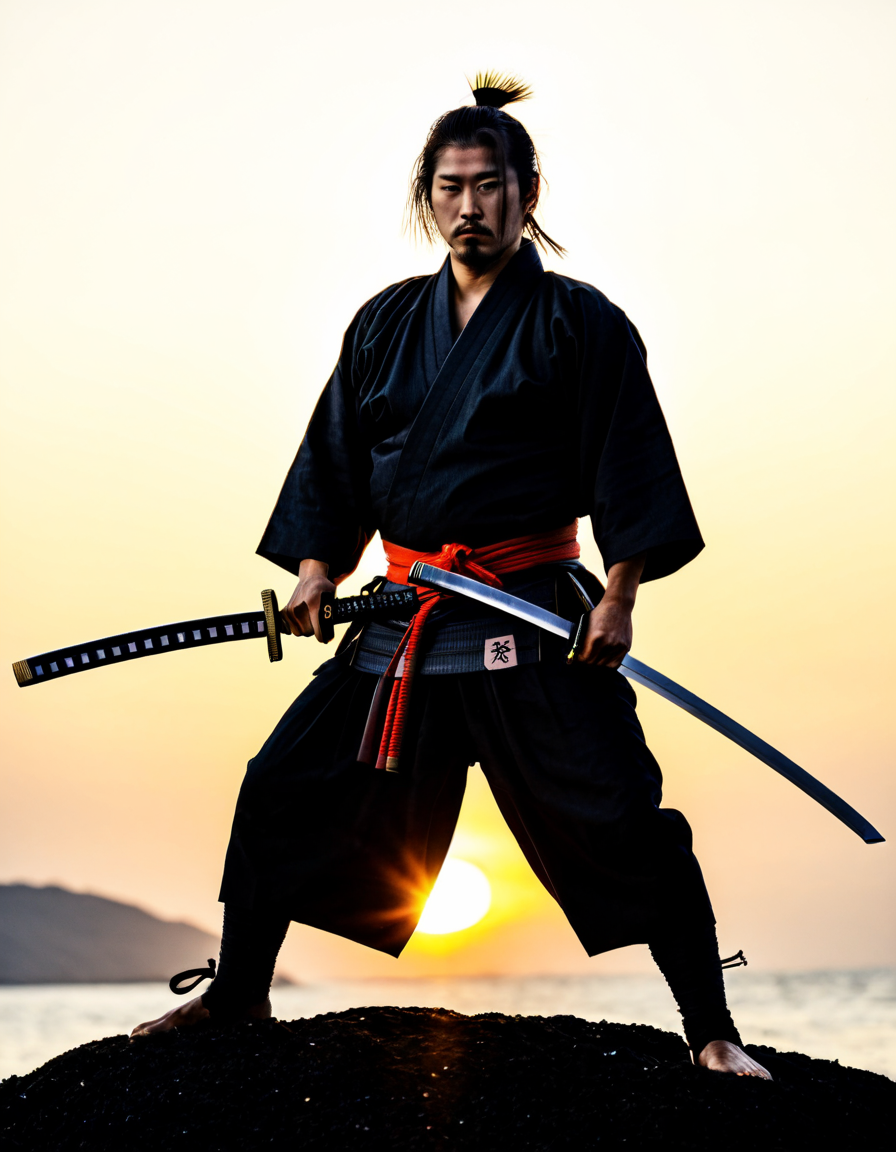
The Enduring Legacy of Seppuku and Its Reflection on Honor
As we trace the intricate lines connecting seppuku and modern interpretations like Makima, we grasp a richer understanding of honor across cultures and eras. The ritual of seppuku transcends mere historical significance; it prompts discussions around our evolving relationship with valor and integrity.
In today’s world, where the notions of honor and betrayal are often blurred, the dialogue surrounding seppuku challenges us to consider what it truly means to live and die by one’s principles. By reflecting on these themes, we glean insights into how historical practices shape our understandings of sacrifice, encouraging us to consider our interpretations of honor as we navigate our narratives—whether through the lens of anime or in our daily lives.
Ultimately, the legacy of seppuku resonates deeply, inviting fresh perspectives on integrity and the true cost of honor, and inspiring us to seek clarity in our own narratives.
In a time that feels increasingly disconnected from traditional values, the lessons of seppuku remind us that honor—and the sacrifices we make for it—will never go out of style.
Seppuku: The Ritual Sacrifice of Honor and Valor
The Origins and Significance of Seppuku
Seppuku, often translated as “stomach cutting,” has its roots deeply embedded in the samurai culture of feudal Japan. This ritual was more than just an act of self-discipline; it was an honorable exit for those who faced shame or failure. Samurai were expected to uphold their code of honor, and failure to do so often led to the choice of seppuku as a means of redemption. Interestingly, it was sometimes sanctioned by a lord, allowing the samurai to atone for their missteps without losing face among their peers. It also served a practical purpose—restoring peace and stability in a conflicted family or clan.
Many might not realize that seppuku wasn’t just about disgrace; it could also symbolize bravery. For a samurai, performing seppuku showed valor in choosing death over captivity or dishonor. The act was often accompanied by a witness, ensuring it was a publicly acknowledged act of honor. It’s akin to the dramatic flair of a tricky ball in a game, where the outcome is as much about showmanship as it is about substance.
Cultural Impact and Modern Interpretations
Over time, seppuku has left a significant mark on Japan’s cultural psyche, finding its way into literature, film, and even video games. The glamorization of the samurai’s last moments can be seen in various adaptations, including those in anime and manga, where themes of honor and sacrifice often capture audiences. You might say that even in today’s media landscape, tales of seppuku resonate with themes seen in other genres, like those depicted in captivating Wizards news.
Curiously, this concept of self-sacrifice extends into modern pop culture narratives. There’s a profound exploration of honor, loyalty, and sacrifice in various fandoms—consider how it mirrors what a fujoshi might find in her favorite characters as they make desperate choices for love or vengeance. This dynamic has captivated audiences far beyond Japan, illustrating that even centuries later, the essence of seppuku continues to inspire, revealing complexities in human behavior.
Seppuku in the Popular Imagination
As we delve into pop culture representations of seppuku, we’re reminded that its echoes can be found even in playful contexts. Who doesn’t love a good story re-envisioned through fantastical lenses, like the animated tale of Snowmen at night Or perhaps more serious narratives that challenge the viewers to think deeply about sacrifice and its consequences. Additionally, events in modern anime and films often draw parallels to historical practices, showcasing the line between honor and tragedy in dynamic storytelling.
In an interesting twist, discussions about the cultural significance of actions like seppuku often bring us back to historical figures. Figures such as Jonathan Djanogly can be referenced in conversations about leadership and choices within turbulent circumstances. With the evolution of storytelling, the notion remains that whether through a noble sacrifice or a desperate act, the human heart’s pursuit of honor often gives way to spectacular, sometimes melancholic narratives. In any case, seppuku leaves a profound impact on the artistic world, guiding creators as they weave stories that resonate with our shared humanity.