The “Golden Age Arc” of Kentaro Miura’s Berserk isn’t just a cornerstone of the manga and anime universe; it’s a deep dive into the human experience. Filled with thrilling battles, complex relationships, and the gut-wrenching reality of betrayal, this arc themes ambition, friendship, and the pain of shattered trust. In this article, we’re turning the spotlight on the key aspects that make the Golden Age Arc an unforgettable saga.
Top 7 Elements that Define the Golden Age Arc
1. Guts’ Development: From Lone Wolf to Band of Hawk
When we first meet Guts, he’s a rugged and solitary warrior, scarred by a life of hardship. His introversion keeps him distant from others, but through the Golden Age Arc, Guts transforms into a vital member of the Band of the Hawk. This change reflects a common theme: the search for belonging in a world filled with chaos. His journey underscores the profound message that even amid suffering, relationships can flourish and shield us from darkness.
The connections Guts forms not only highlight his personal growth but dive deep into the emotional fabric of camaraderie. Fans can’t help but cheer for Guts as he fights both external enemies and his own demons. Miura captures this struggle brilliantly, as we watch Guts evolve from the lone wolf into someone who genuinely cares for his comrades, proving that sometimes, the fiercest warriors are those who open their hearts.
2. The Betrayal of Griffith: Friendship Shattered
Griffith’s betrayal is a gut punch of epic proportions and a pivotal moment in the Golden Age Arc. Once a revered leader, his ruthless pursuit of power leads to devastating consequences during the Eclipse. This act raises a powerful question: How far would you go for your ambitions, and at what cost?
The emotional fallout from Griffith’s treachery shakes the very foundation of the Band of the Hawk. Fans reel from the realization that ambition can warp even the noblest of hearts. This betrayal reminds us that the path to success can be riddled with moral quandaries, a theme that resonates deeply with audiences today.
3. Themes of Fate vs. Free Will
At the heart of the Golden Age Arc lies the ever-present battle between fate and free will. Guts stands as a compelling representation of humanity’s desire to shape one’s destiny, often clashing against the puppeteering forces of the God Hand. His relentless resistance against predestined despair captivates viewers, as it invites profound reflection on our own life choices.
In a world where dark forces seem to manipulate outcomes, Guts’ struggle makes us reconsider the very nature of free will. Are we truly in control of our paths, or are we just pawns in a larger game? This tension, richly woven into the narrative, keeps fans engaged as they ponder these questions along with Guts.
4. Battle Scenes and the Art of War
Kentaro Miura’s artistry shines during the arc’s battle scenes, where he masterfully depicts the brutal realities of warfare. Each frame pulses with raw energy, immersing viewers in the chaos of combat. The climactic battles of the Band of the Hawk echo significant historical conflicts, further heightened with fantastical elements that make the stakes even more impactful.
These scenes invite comparisons with acclaimed anime like Attack on Titan, where breathtaking visuals intertwine with powerful emotional weight. As audience members witness the struggles of Guts and his comrades in battle, they become part of the experience, feeling the adrenaline rush and the dire consequences of war.
5. Influences of Other Fictional Universes
The Golden Age Arc’s storytelling and character development can be likened to the journeys found in franchises such as Attack on Titan. Eren Yeager, with his Titan form, embarks on an equally complex path that grapples with ideas of power and moral dilemmas. These layers enrich both series, allowing for a discussion about how narrative arcs can intersect and influence each other.
Much like Guts, Eren faces existential threats that force him to confront not just his external enemies but also his inner conflicts. The Golden Age Arc and the themes it tackles serve as a template for expanding narratives in the fantasy genre, showcasing the ways characters can evolve under pressure.
6. Symbolism of the Unicorn Overlord
A striking symbol within the Golden Age Arc is the Unicorn Overlord, representing purity amidst chaos. It serves as a direct contrast to Guts’s dark path and creates a dialogue about lost innocence and the scars left by violence. The enchanting imagery invites readers to delve into deeper philosophical questions about good and evil.
The Unicorn Overlord’s presence forces characters and viewers alike to consider the implications of their choices. This duality weaves throughout the story, adding depth to every interaction and underpinning the struggles against grim realities.
7. The Lasting Impact of the Golden Age Arc
The Golden Age Arc continues to resonate with anime fans, influencing storytelling and aesthetics across genres. Many contemporary series borrow elements from Miura’s work, using character-driven narratives that explore themes of suffering, morality, and connection. The emotional depth found in the Golden Age Arc sets a high standard that new creators strive to meet.
As audiences dive into new anime like Tokyo Ghoul, the echoes of Guts and Griffith’s tale can still be felt. The exploration of identity crises and personal struggles remain relevant to today’s viewers, establishing the Golden Age Arc as a foundational work in the landscape of animated storytelling.
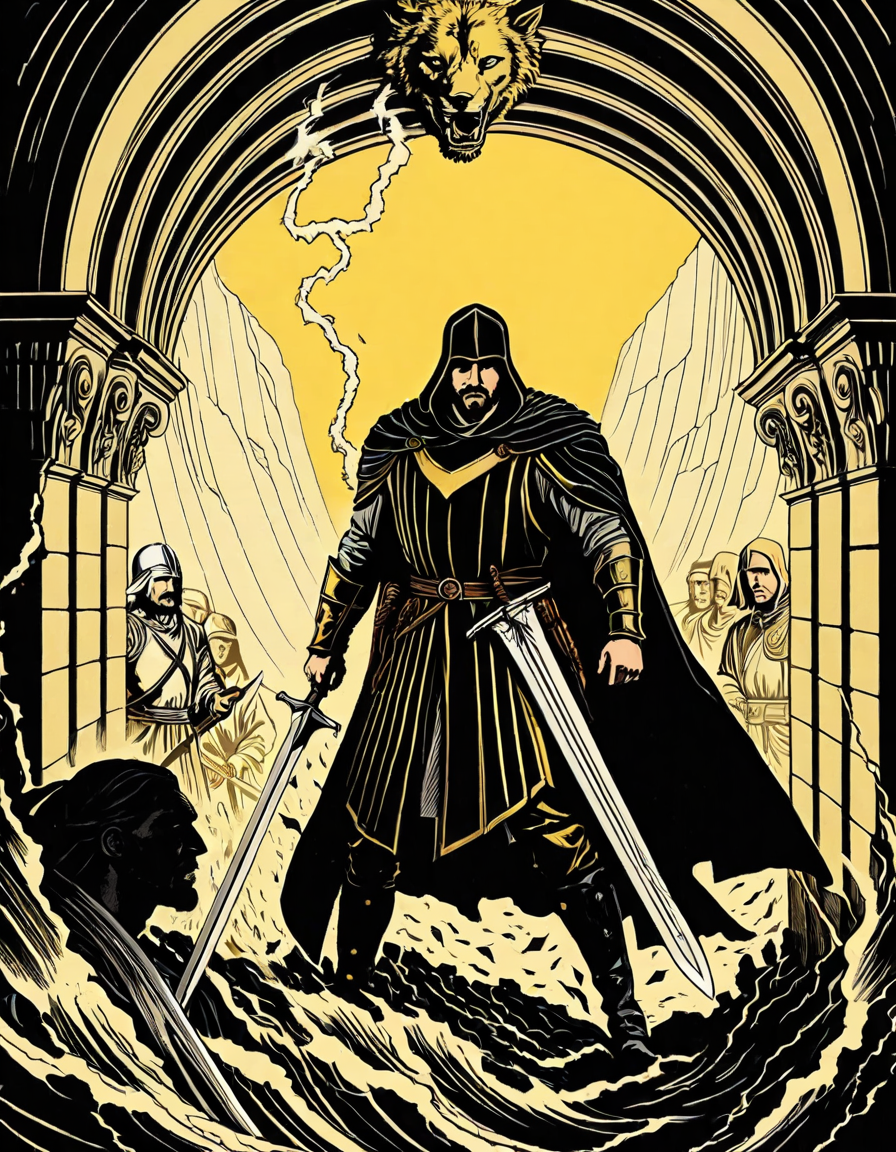
The Cultural Significance of the Golden Age Arc Today
Fast forward to 2026, and the Golden Age Arc’s impact on culture and animation is undeniable. Its legacy influences how stories intertwine rich character arcs with philosophical musings, encouraging new series to examine the complexities of human existence. Fans of Berserk celebrate this arc as a transformative piece that continues to shape narratives in the age of streaming platforms and instant content access.
This saga isn’t just about action—it boldly confronts fundamental questions of loyalty, ambition, and the repercussions of betrayal. As viewers, we find ourselves challenged to reflect on our own definitions of these concepts amid an often indifferent world. The Golden Age Arc’s timeless themes ride along with modern storytelling, proving that the echoes of Guts’s pioneering spirit continue to inspire creators and audiences alike.
As we engage with these narratives, we can’t help but remember how they mirror our realities. Just as Guts marches through the chaos armed with his determination, we too can confront our challenges head-on, seeking connection, purpose, and sometimes, a little understanding in our journey through life.
In conclusion, the Golden Age Arc stands as a monumental work that transcends time, keeping alive conversations about humanity and ambition. As the story of Guts unfolds, it resonates deeply, inviting fans old and new to reflect on the journey of self-discovery, the weight of choices, and the bonds that may lead us through the darkness. From its intricate battles to its profound emotional journeys, the Golden Age Arc offers lessons that we carry with us long after the last page has turned.
Be sure to check out the latest updates about your favorite anime series on platforms like Crunchyroll and never miss a beat when it comes to the world of animation!
Golden Age Arc: Fun Trivia and Interesting Facts
A Hero’s Journey
The golden age arc of Berserk stands out for its rich storytelling and complex characters. Did you know that Hironobu Sakaguchi, the creator of Final Fantasy, once said that he drew inspiration from Kentaro Miura’s artwork? This influence is evident in various aspects of anime today, much like how Demon Slayers are inspired by classic animation techniques. Interestingly, the arc’s themes resonate with audiences, much like how the characters from Romeos tackle their struggles in ways that are painfully relatable.
Betrayal and Its Consequences
One of the most riveting elements of the golden age arc is the portrayal of betrayal, especially through the character of Griffith. Many fans liken the emotional impact of this betrayal to that seen in other classic stories, such as those featuring iconic characters like Mickey Mouse, who has recently entered the public domain—allowing for creative reimaginings. It shows how narratives about trust and deception aren’t just confined to the world of anime; they echo throughout various media, including comic book hits like the upcoming Marvel Deadpool wolverine box office release. Can you imagine how much deeper Griffith’s betrayal cuts when you consider the friendships and dreams lost?
Artistry and Influence
Beyond just the gripping storyline, the artistry of the golden age arc has left a lasting mark on animation style. Well-crafted aesthetics often serve as the backbone for storytelling, just like high-quality Shfiguarts figures capture the essence of beloved characters. Fans who appreciate intricate designs often find themselves seeking the best greens powder to fuel their cozy binge-watching sessions! The arc’s influence can be seen in various anime trends, as it pushes boundaries in character development and visual storytelling, much like Angela Castro’s work continues to inspire new artists.
Whether you’re revisiting Berserk or diving into the plethora of new anime, the golden age arc serves as a powerful reminder of the weighty themes of loyalty, ambition, and the human experience, tying it all together in ways that resonate across genres and generations.
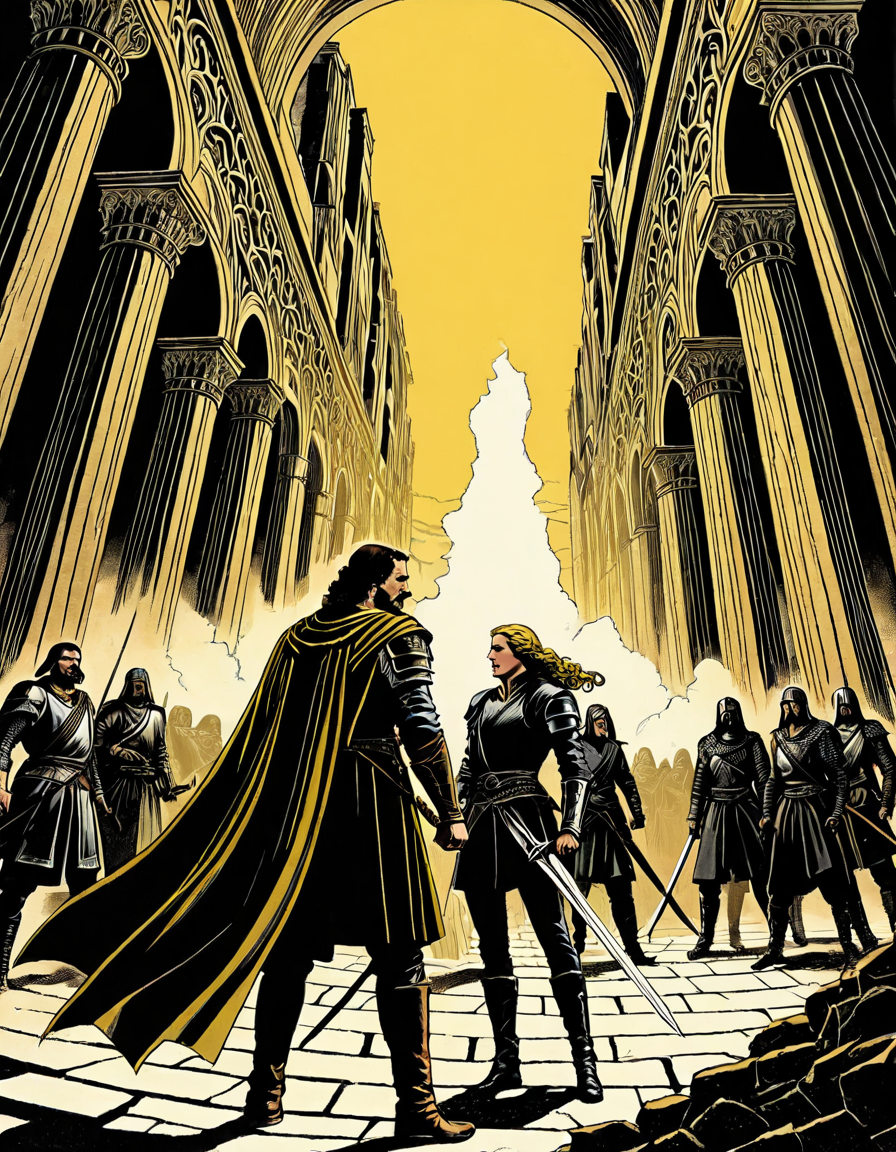
What is the golden age arc in Berserk?
The Golden Age Arc in Berserk is a significant storyline that focuses on Guts’ early years, his time with the Band of the Hawk, and the deeper themes of ambition, friendship, and betrayal, culminating in some of the most memorable events of the series.
Is Berserk: The Golden Age arc the same?
Berserk: The Golden Age Arc is a trilogy of animated films that retell the Golden Age Arc’s story from the original manga, but they condense and adapt the material in a way that’s tailored for film.
Is it necessary to watch the Berserk Golden Age Arc?
Watching Berserk’s Golden Age Arc isn’t absolutely necessary to enjoy the rest of the series, but it provides important context and character development that enriches the overall story, making it easier to connect with the plot later on.
What book does the Golden Age arc start in?
The Golden Age Arc starts in the Berserk manga with Volume 3 and runs through to Volume 14, diving into Guts’ backstory and his development as a character.
What’s the longest arc in Berserk?
The longest arc in Berserk is called the Fantasia Arc, which explores Guts’ adventures after the Golden Age and delves into a wider array of characters and settings.
Why did Griffith turn evil?
Griffith turned evil largely due to his ambition and obsession with power, which leads him to make horrific choices, particularly during the Eclipse event, showcasing a darker side of human nature.
What movie is the golden age arc Guts in?
The Golden Age Arc is featured in the Berserk: The Golden Age Arc trilogy films, which highlight this part of Guts’ story through vivid animation and intense storytelling.
What comes after the golden age?
After the Golden Age Arc, the story moves into the Conviction Arc, where the narrative broadens significantly, introducing new characters and conflicts that challenge Guts further.
Is Golden Age Peak Berserk?
Many fans consider the Golden Age Arc to be a peak moment in Berserk due to its deep themes, strong character development, and memorable events that greatly influence the series as a whole.
What to skip in Berserk?
When it comes to skipping content in Berserk, it’s generally recommended to watch the 1997 series first, then move on to the Golden Age films, and perhaps skip the 2016 adaptation, which is often viewed as weaker in terms of quality.
Is Berserk Golden Age on Netflix?
Berserk: The Golden Age Arc is not available on Netflix, but it can typically be found on other streaming platforms, so it’s worth checking around for availability.
Is Berserk getting a remake?
As of now, there’s no official confirmation about a remake of Berserk, but fans are always hoping for new adaptations, especially given the series’ enduring popularity.
How old is Guts at the start of the Golden Age Arc?
Guts is around 18 years old at the start of the Golden Age Arc, which is when we see him join the Band of the Hawk and begin his journey alongside Griffith and the others.
Which is better, Berserk 1997 or Golden Age arc?
It’s tough to say which is better, Berserk 1997 or the Golden Age Arc films, as it often comes down to personal preference regarding animation style and storytelling approach.
In what order should I watch Berserk?
For the best experience, some fans suggest watching the 1997 anime first, then the Golden Age films, followed by the 2016 series as a way to experience the broader storyline in order.
What movie is the golden age arc Guts in?
Yes, the Golden Age Arc is featured in the Berserk: The Golden Age Arc movies, where Guts’ story is told in three animated films that reenact his earlier adventures.
Does Berserk 2016 take place after the Golden Age arc?
Berserk 2016 does take place after the Golden Age Arc, continuing Guts’ journey as he navigates through the aftermath of the traumatic events that shape his life.
Is Golden Age Peak Berserk?
There’s a strong argument among fans that the Golden Age Arc represents Peak Berserk due to its emotional storytelling and deep character arcs that resonate throughout the series.
Is the Golden Age arc a flashback?
The Golden Age Arc includes significant flashback sequences that provide crucial context and backstory for Guts and Griffith, shaping the narrative’s present and future events.